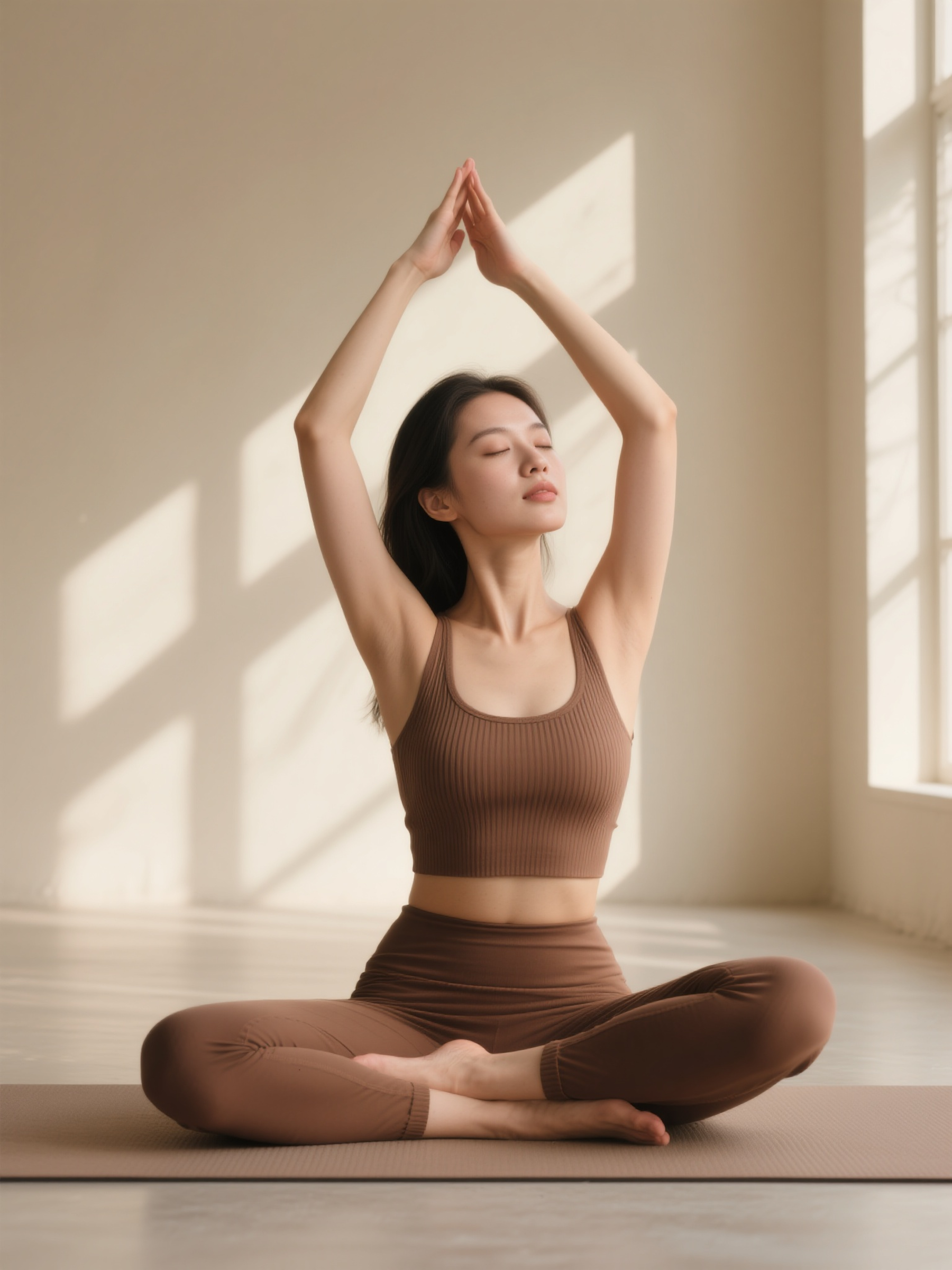


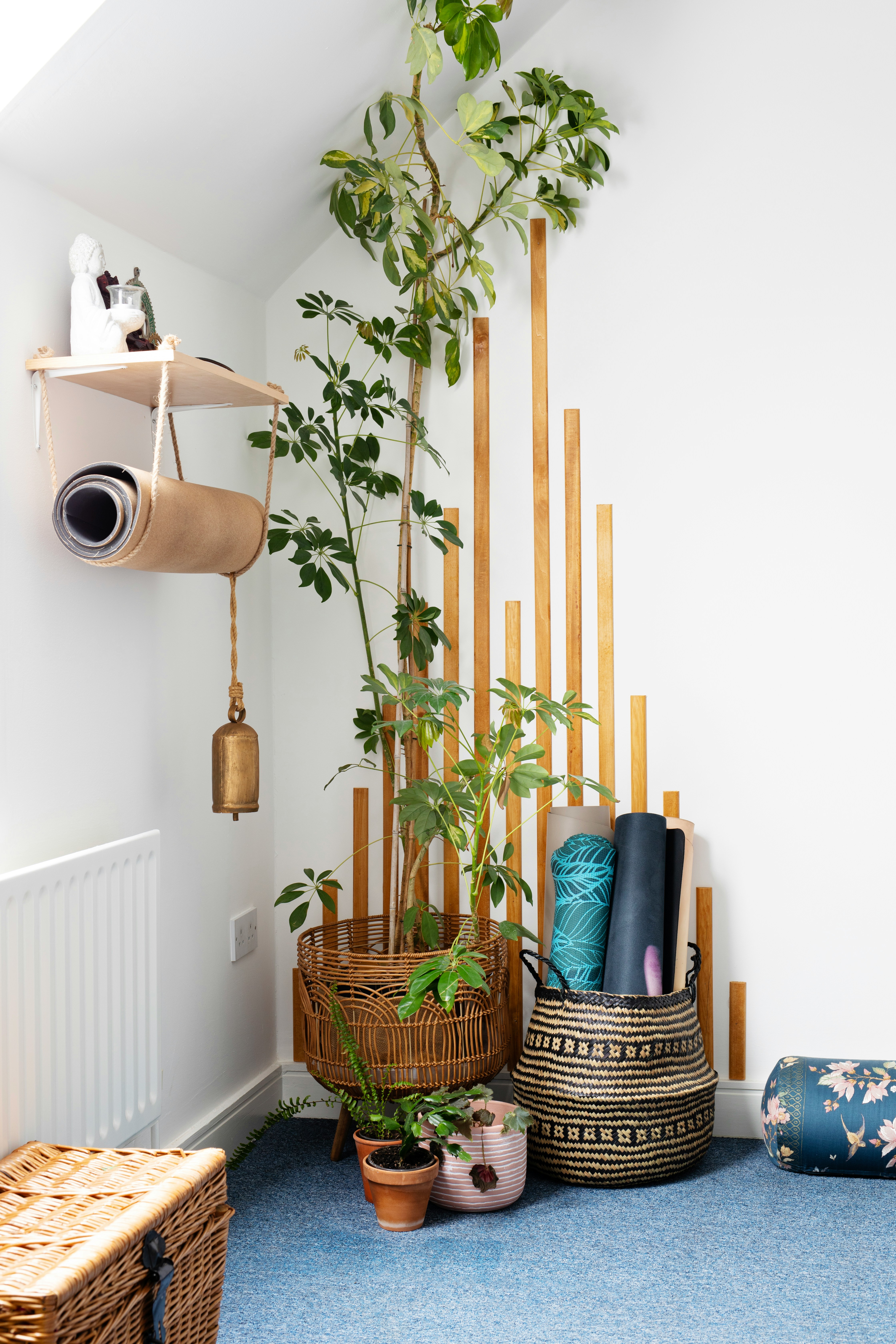
Meditation is solitary by nature, but the path does not have to be lonely. How sangha, accountability partners, and group sits transform personal practice.
The journey inward is the most important journey you will ever take. Whether you find yourself on a yoga mat at sunrise, sitting in silent meditation, or surrendering to the vibrations of a sound bath, each practice offers a doorway to deeper self-understanding.
In Bali, the spiritual energy is palpable. The island has long been a magnet for healers, teachers, and practitioners from around the world. From the terraced rice paddies of Ubud to the surf breaks of Canggu, every corner holds an invitation to slow down and reconnect with what matters.
Community is the soil in which transformation grows. When we practice together — breathing, moving, sitting in circle — something shifts that goes beyond what any solo practice can offer. The sangha holds us accountable, mirrors our blind spots, and celebrates our breakthroughs.
This is not about escaping the world — it is about returning to it with clearer eyes, a softer heart, and the resilience to meet whatever comes next. Your practice is your anchor. The rest is just weather.
More in Meditation
View all →A Beginner's Guide to Vipassana Meditation
Wed, Feb 18, 2026Ten days of silence sounds intimidating. Here is everything you need to know before signing up for your first Vipassana retreat — from what to pack to what to expect on day five.
Holotropic Breathwork: What to Expect in Your First Session
Thu, Jan 22, 2026Altered states of consciousness through breathing alone? Holotropic breathwork is powerful, sometimes overwhelming, and increasingly popular. Here is an honest look at what happens.
What Nobody Tells You About Yoga Teacher Training
Wed, Oct 8, 2025You will cry, question everything, and probably not teach yoga afterward. A brutally honest look at 200-hour YTT programs and why they are still worth it.
Sound Bath vs Meditation: Which Takes You Deeper?
Fri, Aug 15, 2025Both promise relaxation and inner stillness, but the mechanisms are different. We compare the experiences, the research, and who benefits most from each.