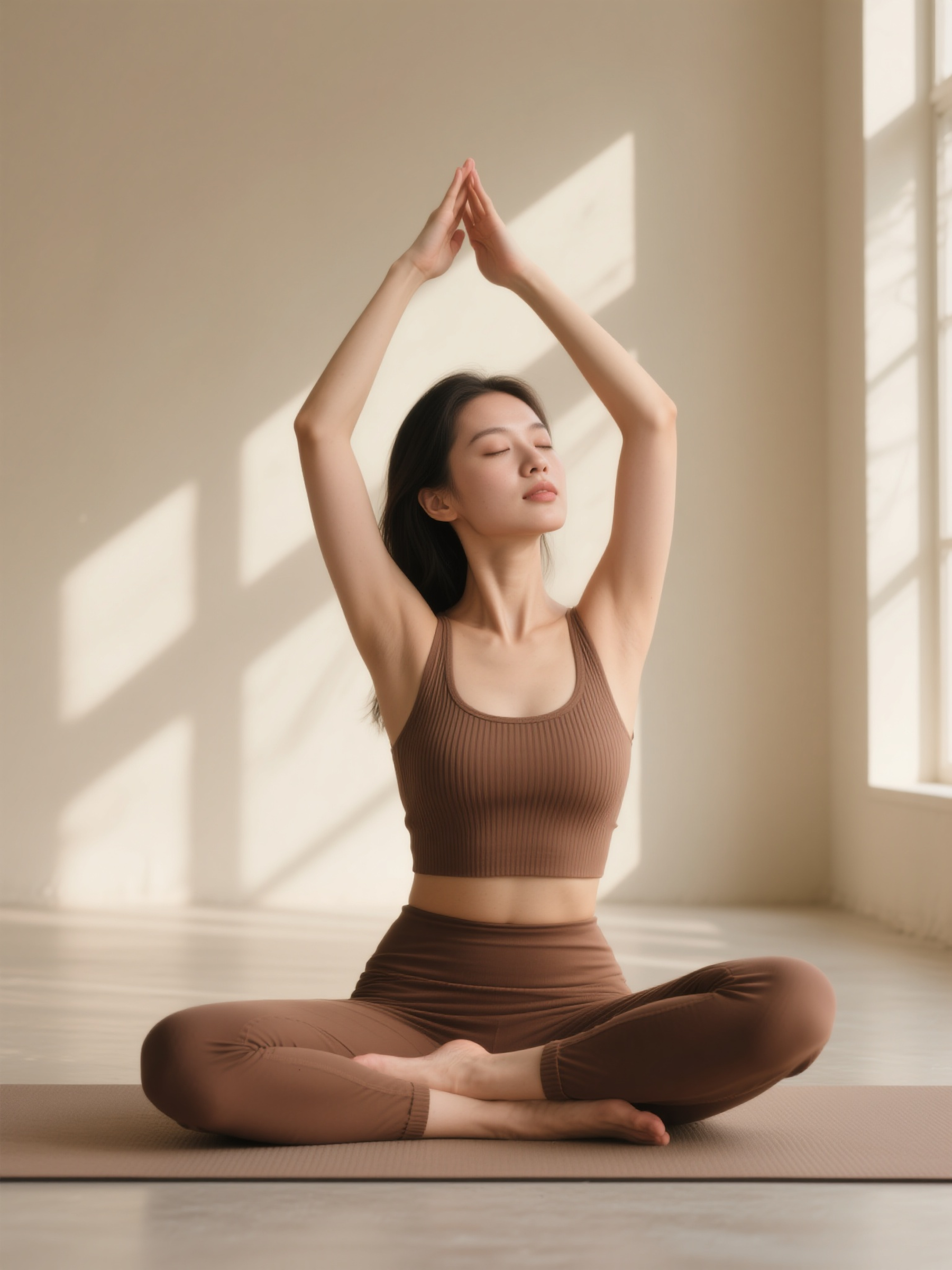
200-Hour Sequential Body Yoga Teacher Training in Bali
Twelve days of anatomy, biomechanics, and sequencing methodology in Uluwatu — built to produce teachers who think, not follow.
200-Hour Yoga Teacher Training
A 200-hour yoga teacher training built around sequencing intelligence — why one movement prepares the body for the next, and how to design classes that build real capacity rather than flow through shapes.
Emilie Perz leads twelve days of anatomy, biomechanics, and applied methodology in Uluwatu, Bali. The curriculum integrates orthopedic rehabilitation and movement science with traditional yoga philosophy, treating them as one discipline. You learn to assess a body, identify what it needs, and build progressions that meet it there.
This is not a retreat with a certificate attached. Expect full days of lectures, posture labs, and practice teaching — with a rest day at Uluwatu Temple and Kecak Fire Dance woven in. You leave with your own framework, not someone else's sequence.
The Training Experience
The days here are long and structured. Mornings begin with a 90-minute vinyasa practice taught through the methodology you will spend the next two weeks learning. The movement is specific — each posture preparing the body for what comes next, each cue tied to something you can name anatomically.
After breakfast, lectures cover the spine, the hips, the shoulder girdle, the nervous system. You learn how individual differences in hip anatomy change what a pose looks like across bodies, why the same cue lands differently depending on a student's history, how the autonomic nervous system shapes what a body can do on any given day. The posture labs that follow bring theory onto the mat — spine-focused sequences, hip openers, arm balances, weight-bearing progressions.
The setting does its part quietly. Grün Uluwatu is built from bamboo, open to the air, designed to breathe with the environment rather than shut it out. You hear the ocean in the distance. Light shifts throughout the day in a way that draws you into the present moment. Outside of practice, you may linger over shared meals, walk through narrow streets where offerings line the ground, or watch the sunset from the cliffs.
Week two shifts from understanding to execution. You learn to structure a class from start to finish, build and resolve intensity, and cue with language that produces movement rather than describes it. Then you teach — first in twenty-minute sessions, then full 45-minute classes — with detailed written and verbal feedback on your sequencing, anatomy, cueing, and presence. By the closing practice, you have taught in front of the group twice and integrated what you learned.
Uluwatu carries a different quality than the rest of Bali. It is quieter, rawer at the edges. Cliffs drop into the ocean. The rhythm of daily devotion is visible everywhere — not performed, just lived. The pace makes absorption possible in a way that weekend workshops rarely allow.
Program
Check-in is at midday on Day 1. The evening begins with a welcome dinner, followed by an opening ceremony with introductions and orientation.
Week One — Foundation
- Day 2 — Opening lecture introduces the methodology: the principle that all movement follows a natural order. Afternoon covers yoga philosophy — the Eight Limbs, Patanjali, and Bali's living cultural context.
- Day 3 — Anatomy Module 1: The Spine. How the spine moves, effects of backbends and forward folds, relationship between spinal mobility and the nervous system. Afternoon posture lab applies theory to a spine-focused sequence.
- Day 4 — Anatomy Module 2: Hips, Pelvis, and Lower Body. Individual differences in hip anatomy, why the same pose looks different across bodies, cueing and adjusting effectively. Posture lab covers standing poses, hip openers, and transitions.
- Day 5 — Anatomy Module 3: Shoulder Girdle and Upper Body. Mobility versus stability, proper loading of the shoulder joint, injury prevention through sequencing. Posture lab covers arm balances, weight-bearing techniques, and inversions.
- Day 6 — The nervous system and breathwork. The autonomic nervous system's role in movement, how stress impacts physical capacity, pranayama as a sequencing tool.
- Day 7 — Rest day. Excursion to Pura Luhur Uluwatu and the Kecak Fire Dance at sunset.
Week Two — Application
- Day 8 — The sequencing framework. Structuring a class from start to finish, building and resolving intensity, designing 60- and 90-minute sessions. Afternoon covers cueing — language that creates movement, when to use verbal, visual, or tactile cues, the role of silence.
- Day 9 — Teaching methodology and special populations. Reading and adapting to a room, injury-aware sequencing, teaching older students, introduction to prenatal yoga. Afternoon practice teaching in 20-minute sessions with structured feedback.
- Day 10 — Practice teaching round one. Each student teaches a full 45-minute class with detailed feedback on sequencing, anatomy, cueing, and presence.
- Day 11 — Practice teaching round two. Students teach again, integrating feedback. Afternoon reflection and group discussion. Final group dinner in the evening.
- Day 12 — Closing 90-minute practice led by Emilie, followed by graduation and certificate presentation. Check-out coordinated individually.
Post-Training
Graduates receive access to ongoing online learning, live and recorded lectures, and continued mentorship from Emilie and Dee.
Benefits
- A working knowledge of applied anatomy and biomechanics — built into every module as the through-line of your sequencing decisions, not a separate theory unit.
- Your own sequencing framework — developed through two weeks of structured methodology, posture labs, and two rounds of practice teaching with detailed feedback.
- Cueing that produces movement — refined through dedicated sessions on verbal, visual, and tactile language, and tested in front of real students.
- The ability to teach any body — grounded in learning to assess individual capacity, identify what a student needs, and build progressions that meet them there.
- Nervous system literacy — understanding how stress shapes physical capacity and how to apply breathwork with intention across a class arc.
- Ongoing mentorship after graduation — access to live and recorded lectures, continued support from your teachers, and a framework to keep building on.
Meet your teachers
What's included
- 11 nights accommodation
- 3 meals daily, buffet-style with locally sourced produce
- Water, tea, and coffee throughout the day
- Full 200-hour training course and certification
- Yoga Alliance registration upon completion
- Uluwatu Temple and Kecak Fire Dance excursion
- Professional event photography
- WiFi access
- Post-training online learning and mentorship access
What's not included
- Flights
- Travel insurance
- Visa fees
- Additional spa treatments
- Activities outside the stated itinerary
Accommodation
Shared Room — Twin
Twin beds, air conditioning, private bathroom with shower, mini-bar, and a terrace with garden views. Toiletries, towels, slippers, and hairdryer provided. Priced per person.
Private Single Room
One double bed, air conditioning, private bathroom with shower, mini-bar, and a terrace with garden views. Toiletries, towels, slippers, and hairdryer provided. Priced for single occupancy.
Food & meals
Meals are served buffet-style at La Cima, a restaurant with panoramic sunset views in Uluwatu. The menu mixes international-inspired dishes with local flavours, using fresh locally sourced produce. Dietary restrictions and allergies can be accommodated — state your needs when booking.
About the venue
Grün Uluwatu is a bamboo-built resort designed to stay open to the environment — air moves through the spaces, light shifts throughout the day, and the ocean is audible in the distance. The architecture is grounded and expansive, built to breathe with the landscape rather than shut it out. The venue sits in Uluwatu, on Bali's southern Bukit Peninsula.
Location
The training takes place in Uluwatu, on the Bukit Peninsula in southern Bali. The area is quieter than central Bali, with dramatic cliffs dropping into the ocean and temples carved into the landscape. Uluwatu Temple, one of the island's six directional temples, is nearby — perched on a 70-metre sea cliff with sunset views over the Indian Ocean.
Bali is Indonesia's only Hindu-majority island. Daily devotion is visible everywhere — morning offerings placed on sidewalks and at doorways, processions in ceremonial dress, a pace of life shaped by Tri Hita Karana, the balance between human beings, the natural world, and the divine.
About the organizer
Emilie Perz
Sequential Body is Emilie Perz's education platform — offering yoga and Pilates teacher trainings, international retreats, online classes, and in-studio workshops. The focus is on science-backed, methodology-led movement education: no filler, built for practitioners who take teaching seriously.
Highlights
- Twelve days structured around sequencing intelligence — anatomy, biomechanics, and methodology taught as one discipline, not separate modules
- Two rounds of practice teaching full 45-minute classes with detailed written and verbal feedback before you graduate
- Sunset at Uluwatu Temple on your rest day — Kecak Fire Dance by torchlight on a 70-metre cliff above the Indian Ocean
- Bamboo-built venue in Uluwatu, open to the air, with the ocean audible during practice
- Post-training mentorship that continues long after the cohort ends
You arrive to learn a method. You leave with your own.
Reviews
No reviews yet — be the first to share your experience.