Exploring the spectrum of breath practices
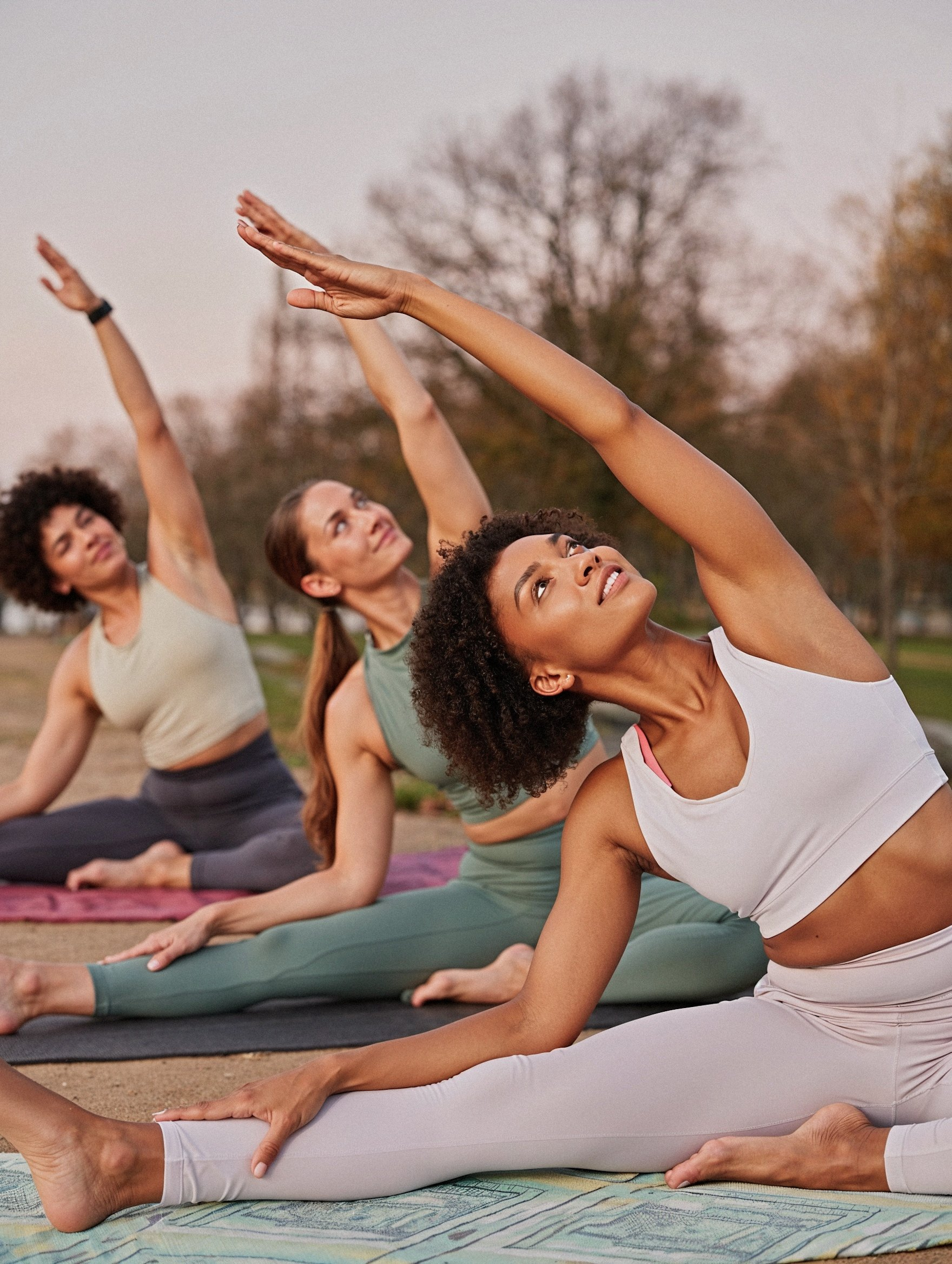
Breathwork covers a broad territory, ranging from steady autonomic soothing to dynamic emotional clearing. Classical pranayama, often rooted in traditional yoga, works to balance subtle energy channels, calm mental fluctuations, and prepare the mind for meditation. Techniques such as alternate nostril breathing or slow, rhythmic counts bring immediate equilibrium to an overstimulated nervous system.
In contrast, contemporary modalities like holotropic breathwork, SOMA, or conscious connected breathing encourage prolonged periods of rhythmic ventilation. These active practices often release stored somatic tension, invite non-ordinary states of awareness, and allow unresolved emotional material to surface and integrate. Other approaches weave in cold exposure, vocal activation, or sound healing to enhance physiological resilience. Knowing whether you seek daily grounding, physical recovery, or profound inner exploration helps you select the right method.
Retreats, teacher trainings, and deep immersions
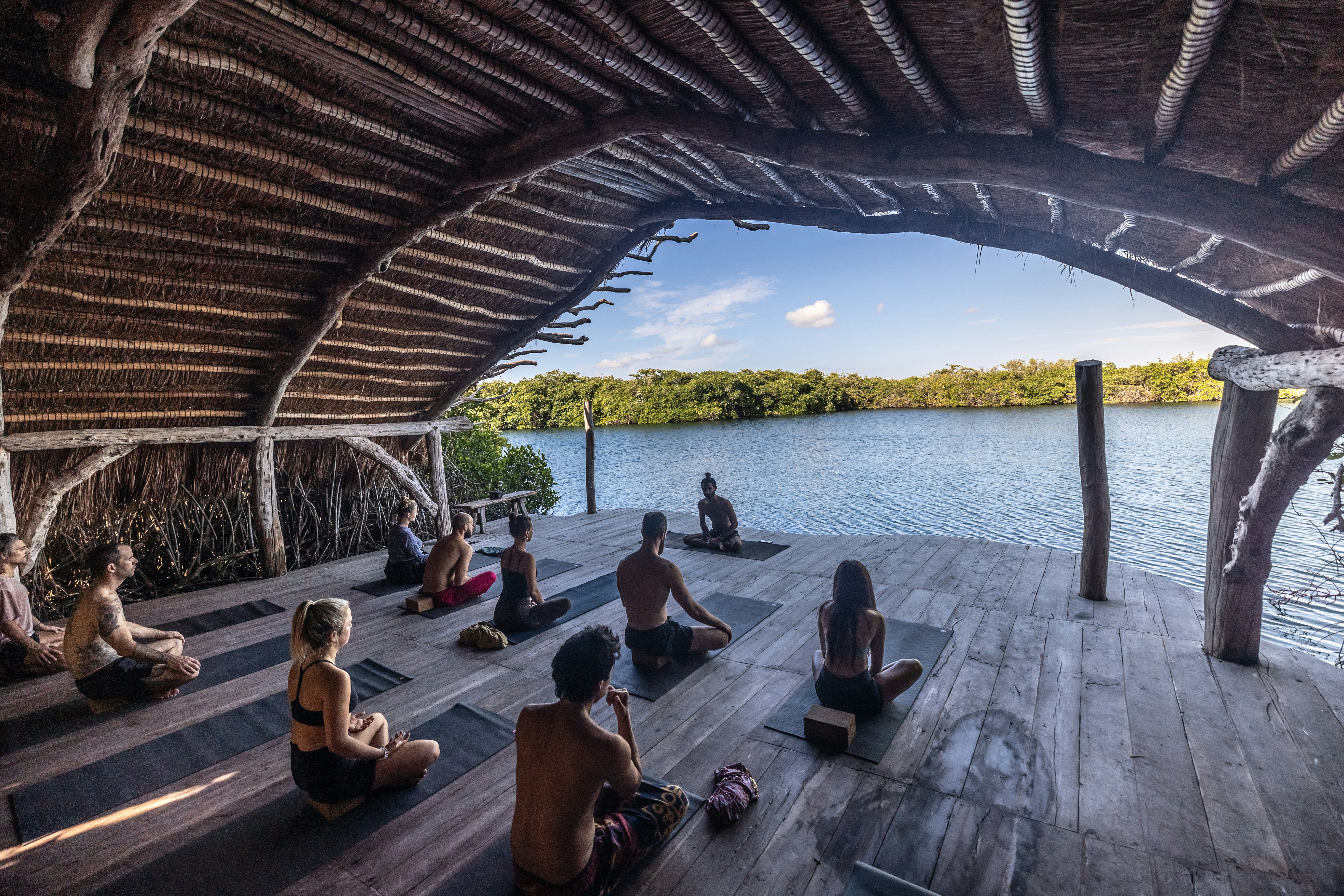
You will encounter diverse formats suited to wherever you stand on your path. Multi-day residential retreats, often set alongside quiet rivers, jungle valleys, or ocean shores, integrate conscious breathing with supportive practices such as yin yoga, sauna sessions, and sharing circles. These longer gatherings give your body adequate time to drop out of fight-or-flight mode and settle into restorative rhythms.
For practitioners looking to guide others, intensive teacher trainings provide grounded instruction in respiratory anatomy, sequencing, and safe space-holding. Across intensive 50-Hour or comprehensive multi-week programmes, you learn how distinct breathing ratios influence physiological chemistry and psychological states. Facilitators provide practical experience in hands-on adjustments, trauma-aware facilitation, and integration guidance, equipping you with the practical confidence to lead individual clients or group sessions safely.
What to expect during an active session
An active breathwork journey typically begins with grounded intention-setting and clear guidance on technique. Most sessions take place lying down on a supportive mat, often supported by bolsters, blankets, and evocative music to help sustain your rhythm. Facilitators remain present throughout, offering verbal encouragement, grounding touch when welcome, and steady energetic support.
As your breathing rhythm builds, you may notice physical sensations such as tingling in your extremities, temperature shifts, or muscular tightness known as tetany. Emotional releases, visual insights, or spontaneous tears are entirely common as habitual protective patterns soften. Every journey concludes with an unhurried period of stillness, allowing your cardiovascular and nervous systems to stabilise before you reflect in a supportive closing circle.
Finding the right space for your journey
Because breathwork can open tender psychological terrain, the quality of guidance and the surrounding setting are essential considerations. Look for hosts who emphasise psychological safety, clear boundaries, and dedicated time for integration. If you are navigating grief, stress, or recovery from burnout, an intimate retreat that pairs breath with somatic therapy, nourishing meals, and restorative bodywork offers the ideal nest for recovery.
If your primary aim is technical mastery or professional growth, look for structured training courses that detail contraindications, nervous system mapping, and experiential practice. Whether you choose a quiet forest cabin, a sunlit open-air shala among rice fields, or a dedicated community studio, giving yourself ample time to rest and integrate after your session ensures the insights gained translate into lasting daily wellbeing.