Sound & Music
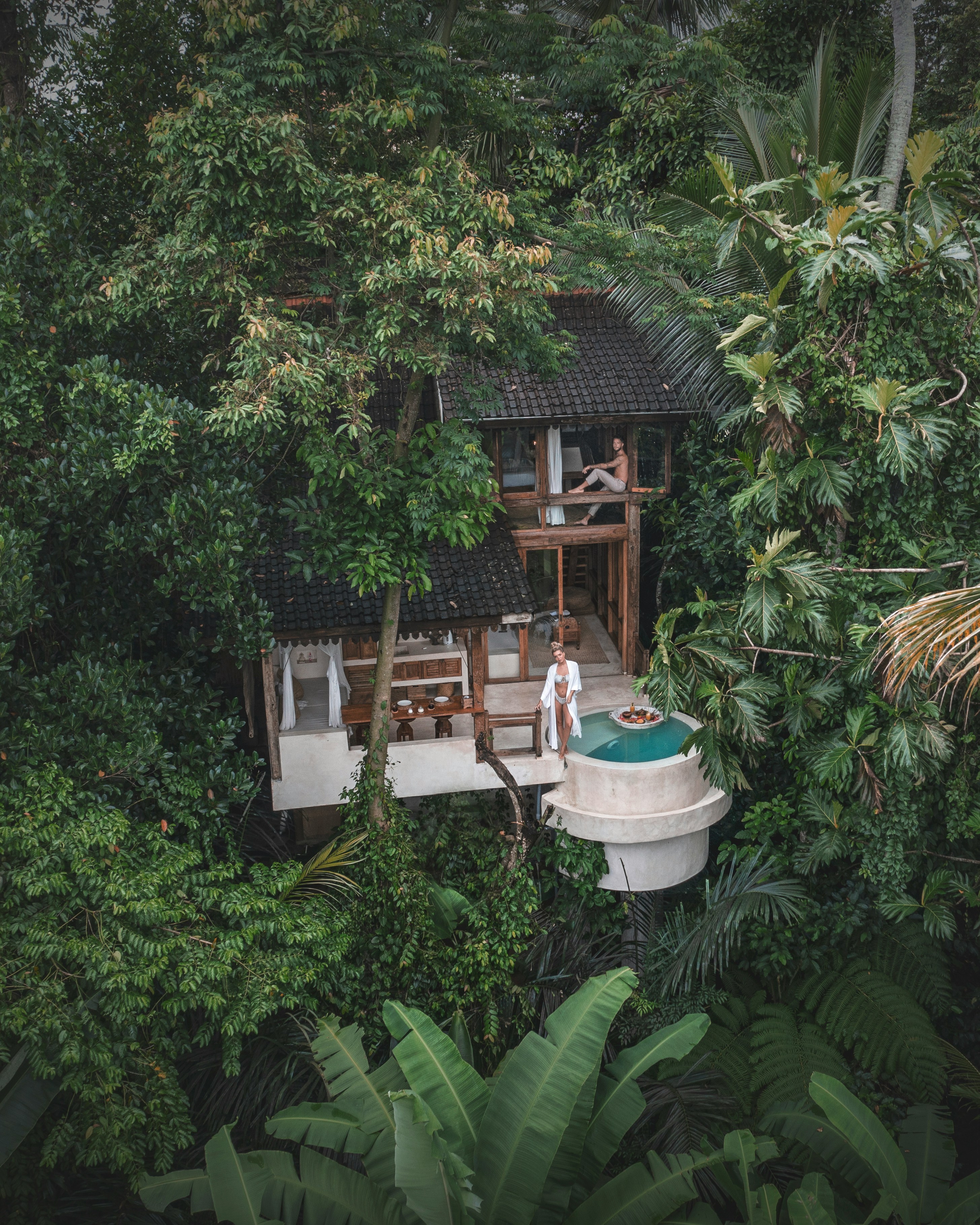
Sound has accompanied ritual, reflection, and community healing across human cultures for millennia. Listening deeply shifts the nervous system out of urgency and into stillness, letting resonance do what effort cannot. This collection gathers sound healing journeys, immersive trainings, and musical ceremonies across continents, from intimate forest cabins to open-air shalas set among tropical rice fields. Whether you want to rest inside the frequencies of Tibetan singing bowls during a restorative retreat, explore voice activation and devotional singing, or learn the subtle art of facilitating sound baths yourself, these gatherings offer dedicated space to listen, soften, and reconnect.
How acoustic resonance supports the body
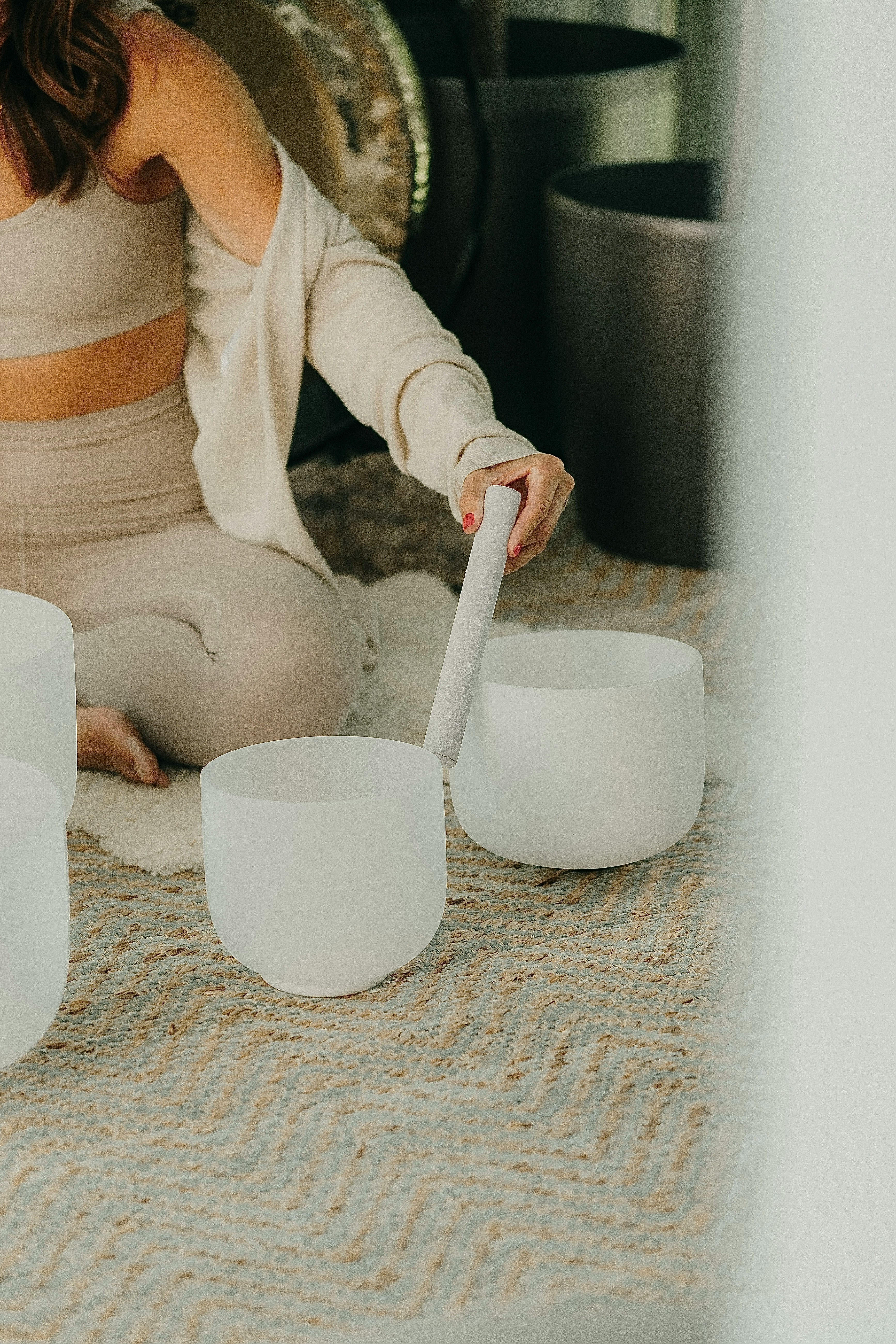
Acoustic practice works through direct vibration rather than intellectual understanding. Instruments such as singing bowls, gongs, and drums produce rich harmonic overtones that encourage the brain to slow down into relaxed states, easing physical tension and supporting nervous system regulation.
In immersive sound baths, you typically lie comfortably while acoustic waves wash across the room. The physical sensation of sound helps quiet persistent mental chatter, making meditation accessible even if sitting in silent contemplation feels challenging. Sound also combines naturally with breathwork, yin yoga, and somatic release, opening a gentle gateway to integrate emotional holding and restore a natural sense of equilibrium.
Retreats versus facilitator trainings
The experiences here fall into two main paths: personal restoration retreats and structured practitioner trainings. Immersion retreats blend sound journeys with supportive practices like daily yoga, spa treatments, cleansing diets, or guided forest walks. These spaces are created for you to unwind, receive, and step away from daily responsibilities.
Practitioner courses, by contrast, teach the art and theory behind the instruments. You might study Tibetan singing bowl technique, frequency therapy, or learn how to pair live acoustic accompaniment with meridian-focused yin yoga. Some programmes run as short intensives in small groups of one to five students, while others are comprehensive 100-Hour or 200-Hour teacher trainings accredited for yoga instruction. Both paths welcome curious seekers who wish to understand the restorative nature of sound.
The variety of instruments and vocal traditions
Sound practice encompasses a broad landscape of instruments and vocal traditions. Tibetan singing bowls provide grounding tones that resonate deeply within the physical body, frequently applied in one-to-one chakra work and targeted relaxation. Gong baths introduce sweeping, layered waves that help clear stagnant energy and shift subconscious patterns.
Beyond metal and crystal instruments, many retreats weave in the human voice through kirtan, mantra meditation, and voice activation circles. Group chanting and devotional singing build communal warmth, allowing practitioners to release inhibitions and find freedom in collective resonance. From intimate ceremonies featuring shamanic drums and flutes to expansive multi-instrument sound domes, each setting invites you to experience music not merely as entertainment, but as an intentional vehicle for presence.
Preparing for your sound journey
Arriving at a sound session or retreat requires very little preparation, as the practice is fundamentally receptive. Loose, layered clothing is recommended, ensuring you stay warm and comfortable while resting on cushions or mats for extended periods. Most retreat spaces provide blankets, bolsters, and props to support your posture.
It can be helpful to arrive with an open mindset and a hydrated body, as sound vibrations travel effortlessly through water. Following a session, many people report feeling deeply relaxed, light, or gently reflective. Giving yourself unhurried time afterwards to drink herbal tea, journal, or sit quietly in nature helps integrate the subtle shifts before you step back into the flow of everyday life.