Ancient pranayama meets modern somatic science
Breathwork trainings span a vast spectrum of lineage and technique. On one end lie traditional yogic pranayama methods, developed over centuries to steady the mind, direct vital energy, and prepare the body for sustained meditation. These practices emphasise precision, subtle control, and energetic alignment.
Alongside classical approaches, contemporary breathwork draws on modern somatic therapy, trauma awareness, and nervous system science. Techniques such as conscious connected breathing, Wim Hof method, and SOMA explore how intentional hyper-oxygenation and breath retention can access deeply stored emotional patterns. Trainings featured here often bridge both worlds, giving you a complete understanding of how the respiratory system influences the vagus nerve, emotional processing, and mental clarity.
Choosing the right depth and certification format
Trainings vary in duration, scope, and accreditation, allowing you to select an immersion that matches your experience level and professional goals. Short modular intensives, such as 50-hour or 100-hour certifications, are ideal for existing yoga teachers, bodyworkers, and therapists looking to integrate targeted breath practices into their offerings.
Longer formats, including 300-hour advanced courses, weave breathwork into broader curricula covering multi-style asana, anatomy, philosophy, and restorative arts. Several programmes also offer hybrid structures, combining in-person residential practice in dedicated shalas with self-paced online modules. This allows you to complete foundational theory before arriving, reserving your time on site for hands-on facilitation, vocal coaching, and direct experiential learning.
What to expect inside a breathwork immersion
A typical day in a breathwork training balances rigorous study with intense personal practice. Mornings often begin with cleansing kriyas, guided meditation, and pranayama to ground the nervous system before moving into lectures on functional anatomy, respiratory mechanics, and the biochemistry of breath.
Afternoon sessions generally focus on practical facilitation. You will learn how to hold safe space for intense emotional releases, read physical holding patterns, use touch and vocal cues effectively, and apply trauma-informed principles. Because breathwork can bring unresolved emotions to the surface, programmes place strong emphasis on integration, grounding techniques, and aftercare for both student and facilitator.
Environments designed for deep inner work
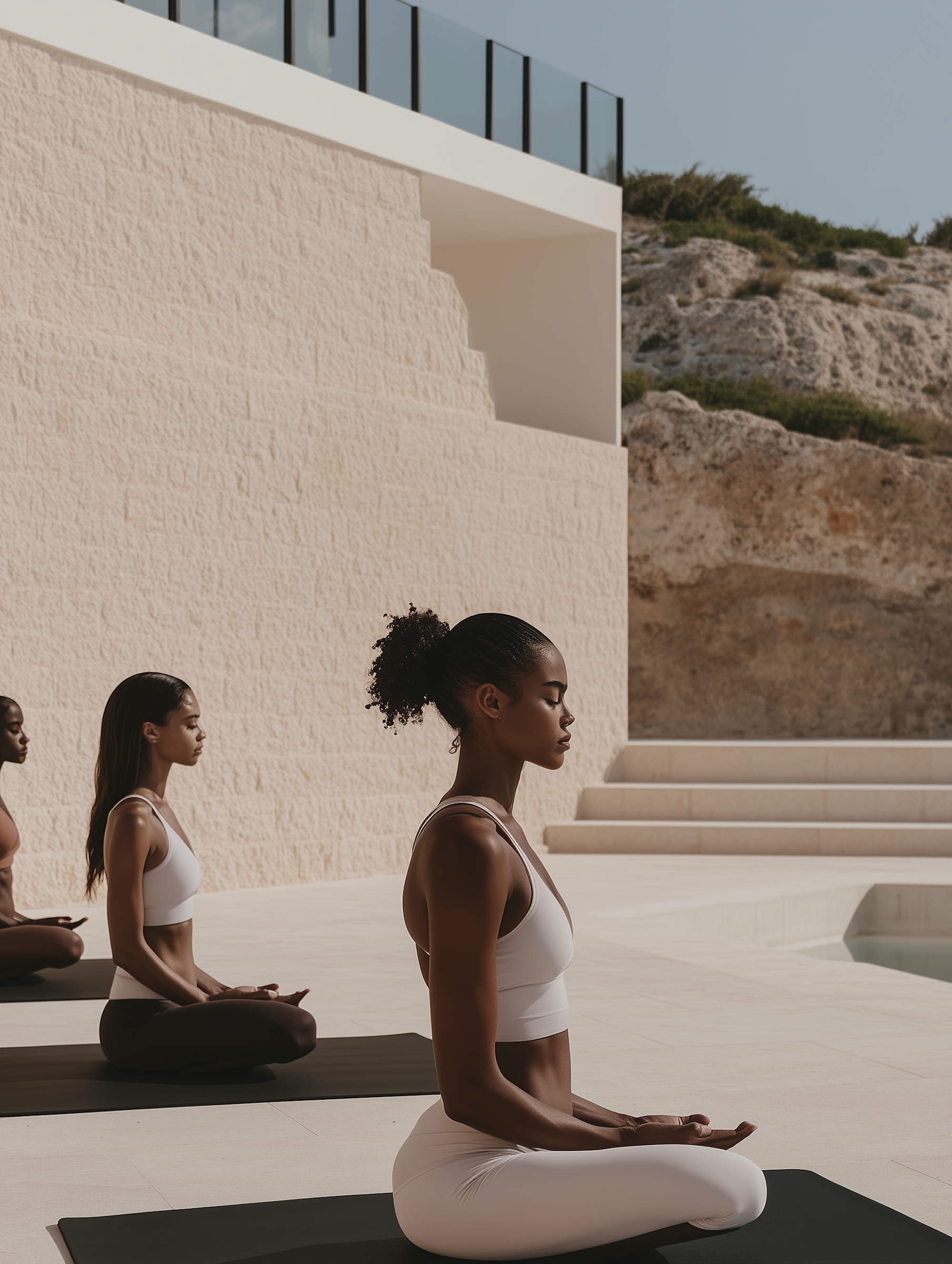
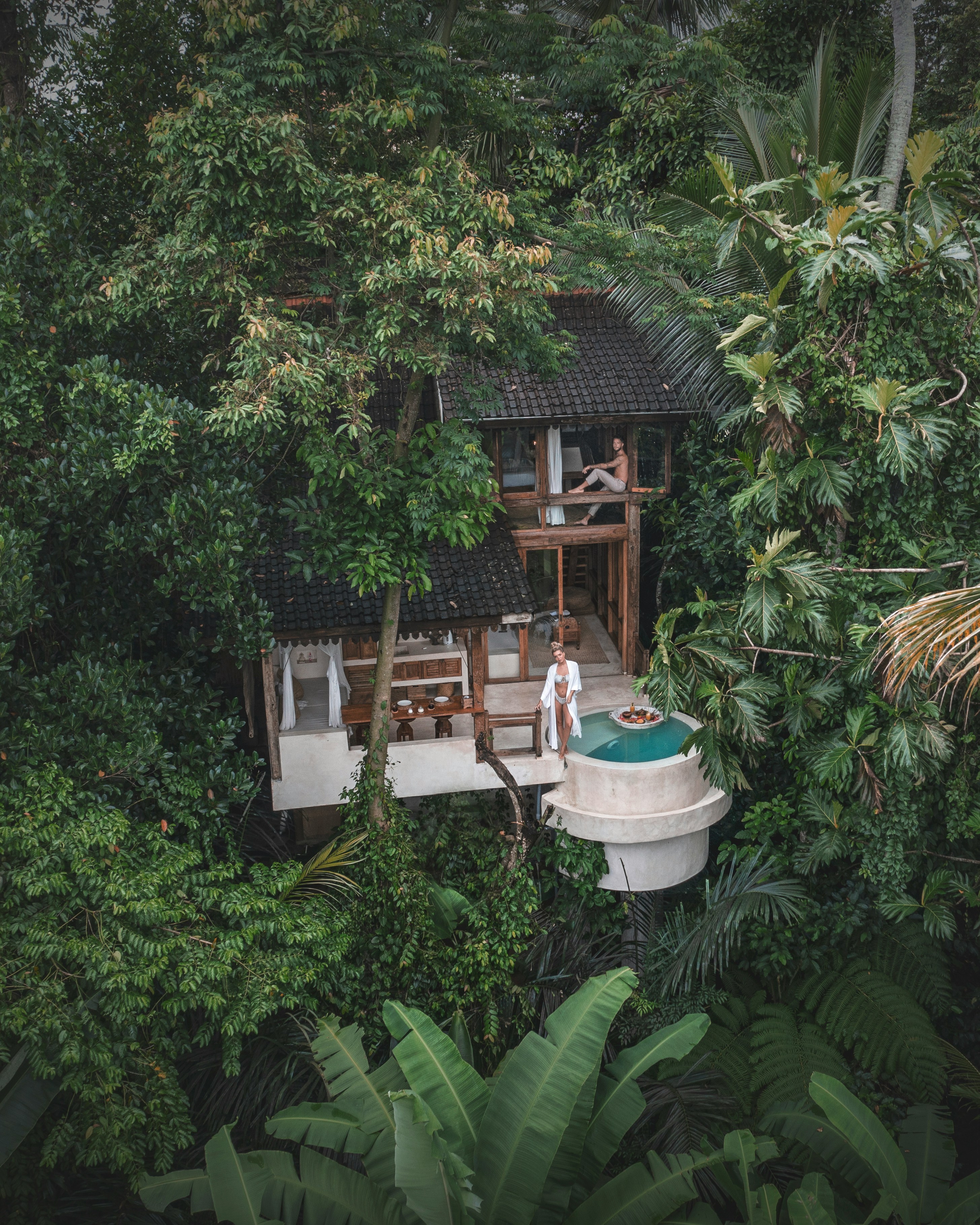
Deep respiratory work requires an environment where you feel fully supported, grounded, and free from everyday distractions. Many of these trainings take place in serene natural settings across Asia, set among lush jungle canopies, peaceful rice fields, or along ocean cliffs where the steady rhythm of the waves supports your practice.
Venues are chosen for their quiet ceremony spaces, open-air shalas, and nourishing communal living. Wholesome vegetarian and organic meals help support your digestive system and maintain steady energy levels throughout demanding days. Surrounded by an intentional community of fellow seekers, you have the space to process your own internal shifts while building lasting professional connections.