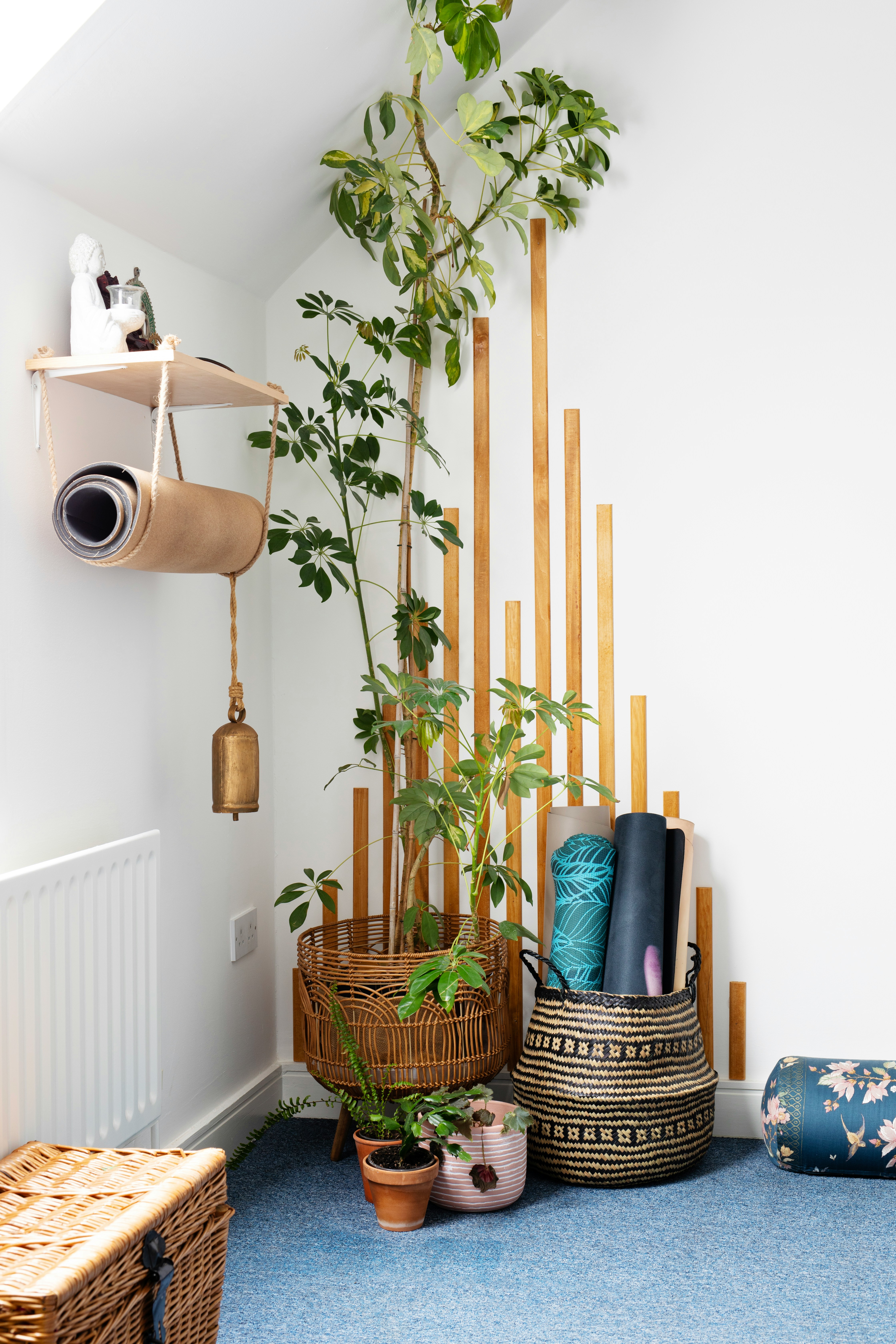
The architecture of yogic sleep
Yoga Nidra is not passive dozing, but a structured journey through the layers of the self, known as the koshas. Lying comfortably supported by cushions and blankets, you follow a guided sequence of body sensing, breath awareness, and gentle visualization. As the brain settles into slow-wave states, the physical body releases muscular guarding while the subconscious mind remains receptive and alert.
This state of conscious surrender allows your nervous system to reset far more efficiently than standard sleep. Old tension patterns, chronic fatigue, and emotional residue begin to soften. In the gentle climate of Indonesia, where warm breezes and ambient nature sounds provide a natural soundscape, the body finds it easy to let go of vigilance and slip into deep, restorative equilibrium.
Retreats versus teacher trainings
The offerings across Indonesia generally fall into two distinct pathways: restorative wellness retreats and modular teacher trainings. Wellness retreats place Yoga Nidra at the heart of daily recuperation. These journeys often pair evening sessions with Balinese spa treatments, somatic movement, sound baths, and gentle vinyasa to help you unplug from digital overload and recover from burnout.
Teacher trainings, ranging from short 50-hour intensives to comprehensive 200-hour and 300-hour certifications, approach the practice from both sides of the mat. Alongside personal immersion, you study the neurobiology of relaxation, subtle anatomy, voice cadence, and script construction. These courses prepare you to confidently hold space and guide others into restorative states, whether you are expanding an existing teaching repertoire or establishing a foundational qualification.
Finding the right setting for deep rest
Your environment directly shapes how easily you settle into stillness, and Indonesia offers several distinct landscapes to support your practice. Inland locations around Ubud, Tabanan, and rural West Bali provide an intimate sanctuary enveloped by dense jungle, flowing rivers, and working rice terraces. The steady rhythm of birdsong and rustling palm leaves creates an organic acoustic cushion for meditation.
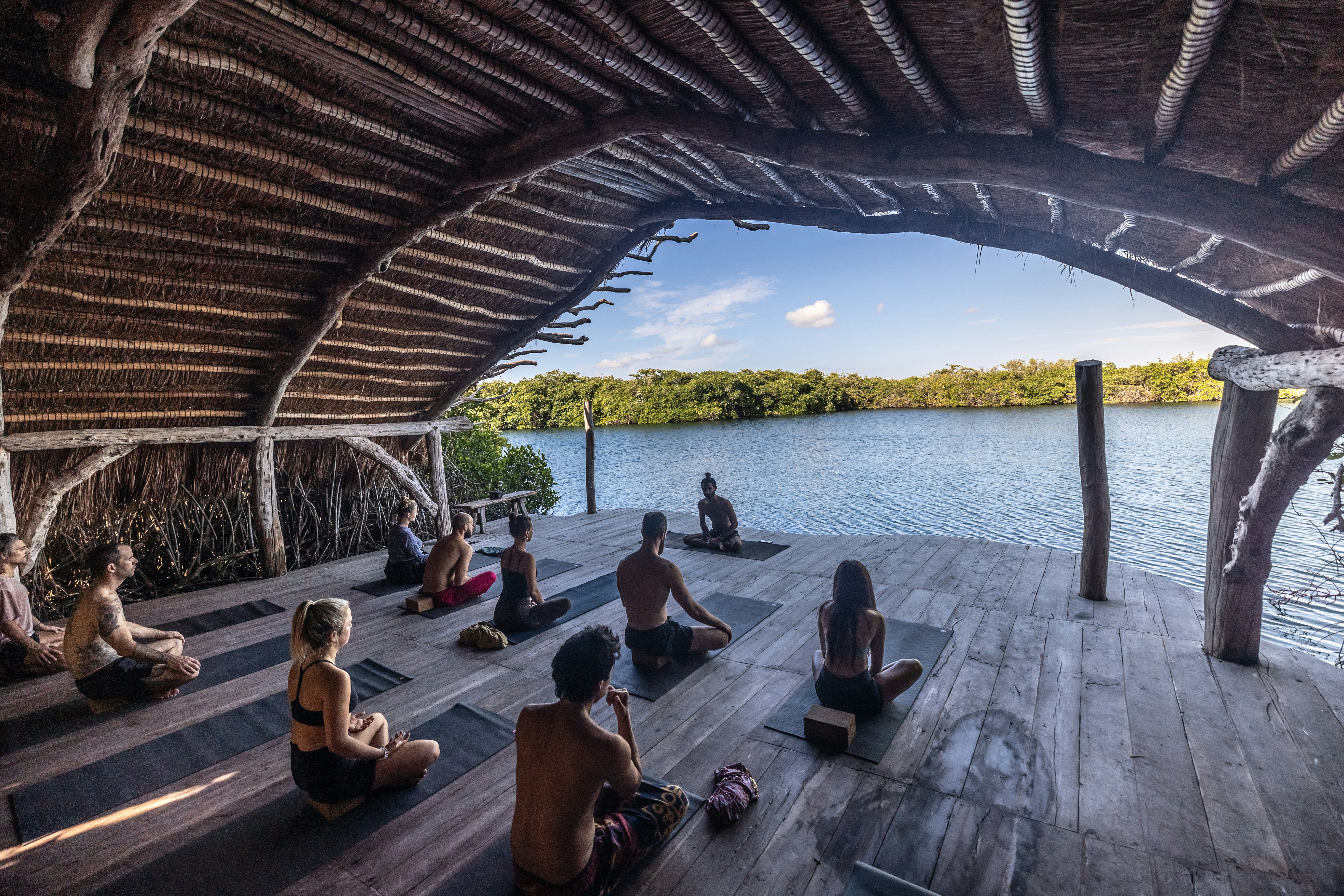
Coastal destinations such as Uluwatu, Canggu, and Tanah Lot bring the grounding presence of the Indian Ocean. Practicing Yoga Nidra within earshot of rolling surf can anchor attention and deepen rhythmic breathing. From remote eco-resorts with open bamboo pavilions to dedicated cliffside studios, each space is designed to encourage natural ventilation, quiet contemplation, and complete physical ease.
What to expect during your stay
Arrival at an immersion or training is designed to be calm and unhurried. Venues typically supply all necessary props, including mats, bolsters, eye pillows, and blankets to ensure you remain warm and supported throughout long periods of lying still. Sessions often take place in the late afternoon or evening, allowing the soothing effects to carry effortlessly into your nighttime sleep.
Outside the practice room, you can expect nourishing vegetarian or plant-based meals crafted from local organic produce to support healthy digestion. Many programs weave in complementary experiences such as water purification ceremonies, herbal steam baths, breathwork, and silent integration circles. You are always encouraged to move at your own pace, honouring your body's need for rest, reflection, and quiet renewal.
 Yoga Nidra in Indonesia