How sound weaves through Asian retreats and trainings
Sound practice in Asia spans a wide spectrum, from dedicated instrument instruction to immersive evening sound baths integrated into broader wellness programmes. In multi-week teacher trainings, sound often pairs directly with yin yoga, pranayama or yoga nidra, showing teachers how resonance can hold space during passive postures and deep relaxation.
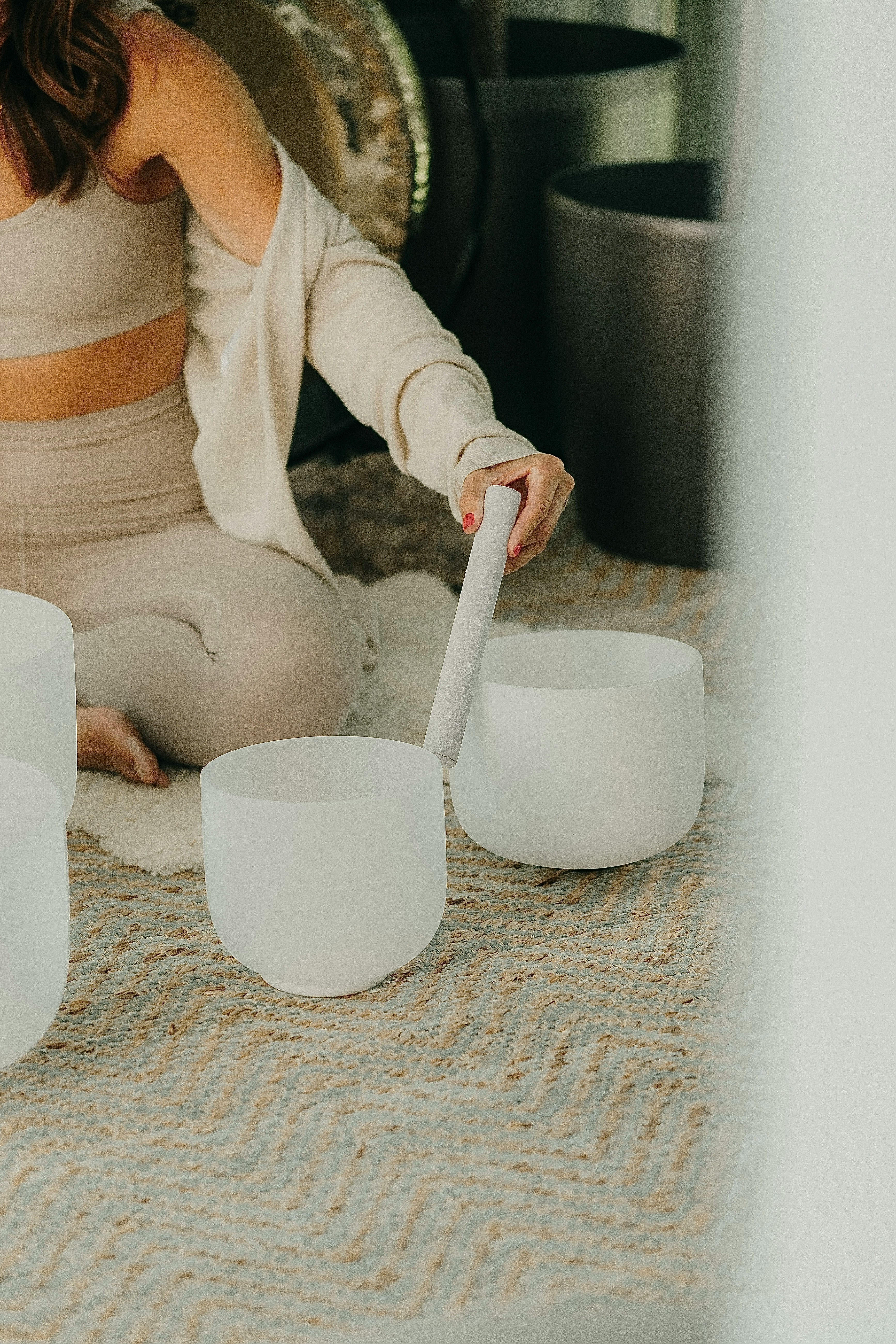
Elsewhere, focused sound immersions take place in specialised acoustic domes or open-air bamboo shalas. In these settings, practitioners work closely with Tibetan singing bowls, gongs and voice activation, exploring harmonic frequencies, chakra resonance and hands-on body placement. Alongside formal studies, dozens of holistic retreats use live acoustic sound as a gentle reset at the close of active movement sessions, allowing the nervous system to settle completely after breathwork, fasting or traditional massage.
Choosing between practitioner certification and restorative immersion
Deciding on the right experience comes down to whether your intention is to guide others or to receive healing yourself. Dedicated certification courses range from short intensive modules - such as three or four days exploring Tibetan bowl technique, frequency therapy and one-to-one chakra protocols - to comprehensive 100-hour and 200-hour teacher trainings that weave sound, Taoist meridian theory and traditional asana into a single qualification.
If you are seeking personal restoration rather than a teaching credential, residential retreats offer a slower rhythm. These multi-day or multi-week journeys blend daily sound baths with somatic movement, cacao ceremonies, juice fasting and cultural excursions. In these spaces, you do not need to study the acoustics or sequence a session; your only task is to listen, rest and let the sonic vibrations support your recovery.
The acoustic environments of the region
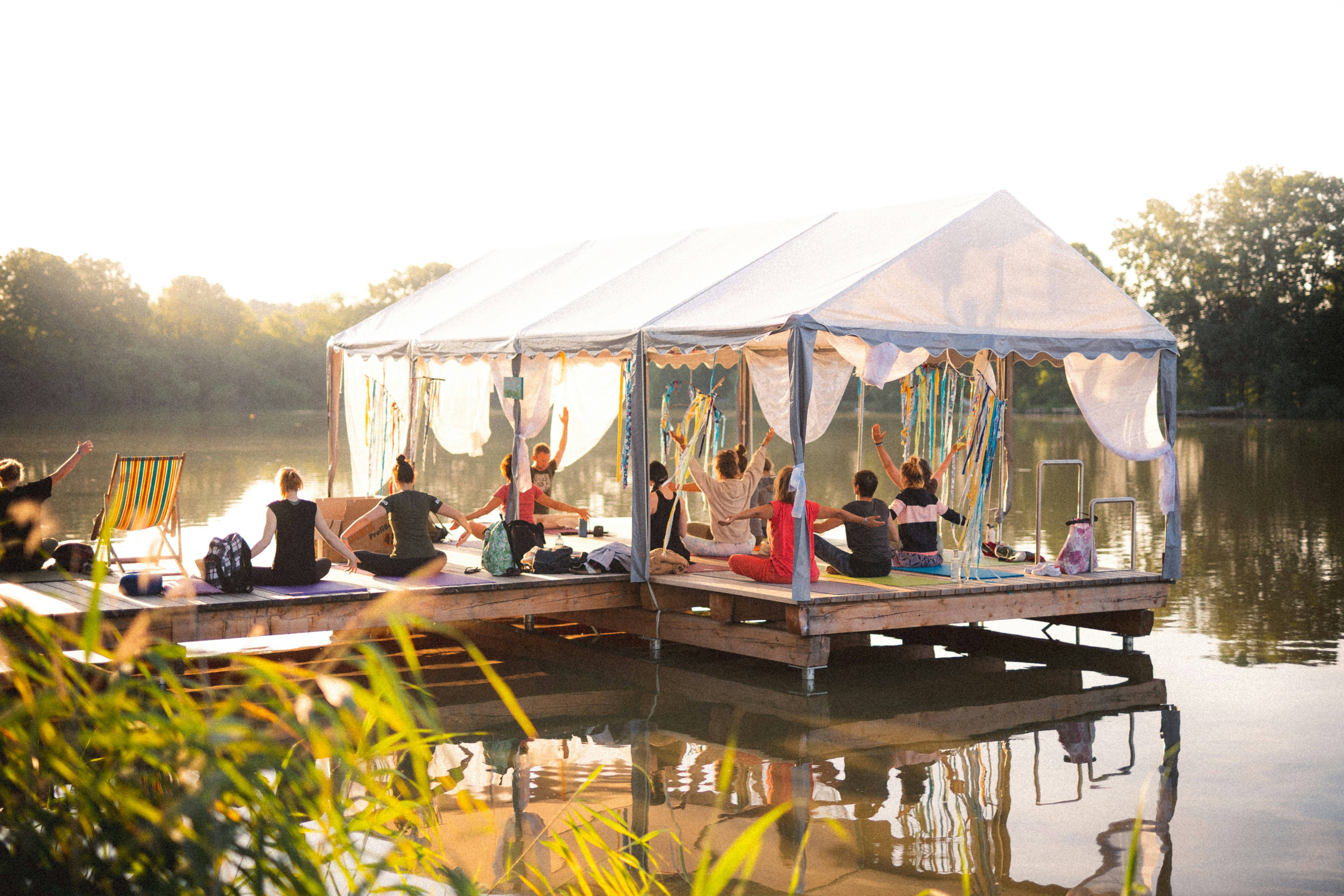
The physical setting shapes how sound travels and how deeply it lands. Across Indonesia and wider Asia, sound sessions often unfold within organic architecture designed to breathe with the elements. Open-air wooden pavilions overlook jungle canopies and terraced paddies, letting acoustic overtones mingle with falling rain, rustling bamboo and evening cicadas.
Other venues feature purpose-built sound domes that amplify subtle harmonics, creating a contained resonance chamber for singing bowls and vocal toning. These natural and purpose-built spaces create an acoustic environment far removed from conventional urban studios. The combination of resonant natural building materials, warm tropical air and quiet natural surroundings allows sound waves to wash over the body with exceptional clarity, grounding each vibration directly into your physical awareness.
What to expect in a sound and music session
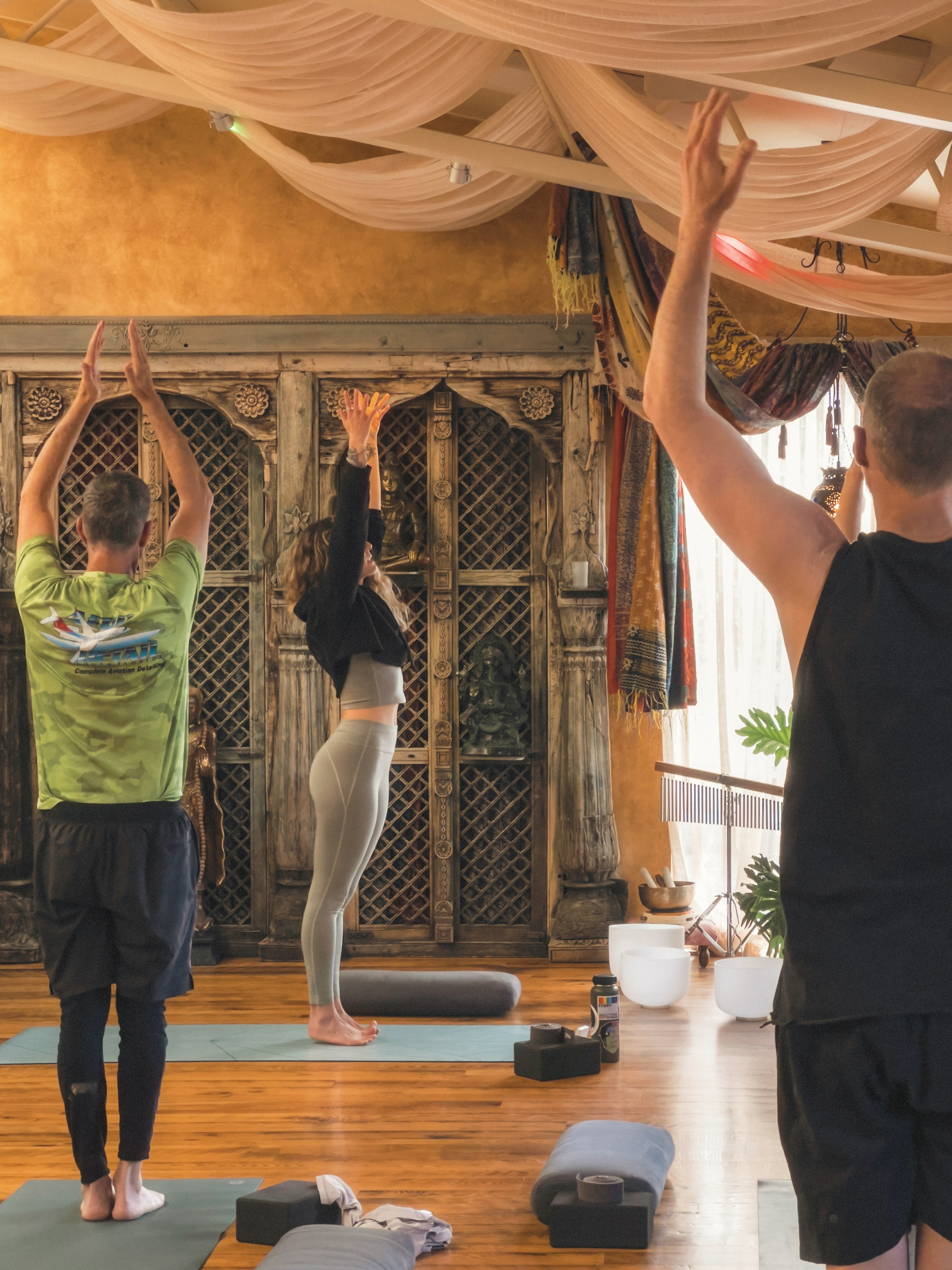
Most sound experiences require no prior musical training or spiritual background. During a sound bath or gong meditation, you will usually lie down on a mat with props such as bolsters, blankets and eye pillows to support stillness. The facilitator uses instruments such as hammered metal bowls, gongs, drums or chimes, producing continuous acoustic waves that help calm an overactive mind and soothe the nervous system.
In participatory musical sessions like kirtan or voice activation circles, the atmosphere shifts from receptive resting to communal expression. You are invited to join call-and-response chanting, rhythmic drumming or guided vocal toning. These gatherings are not about vocal perfection; they offer a shared container where vibration, breath and community connection create a powerful sense of grounded presence.