From single evenings to deep immersions
Ceremonial spaces here range from brief evening circles to expansive multi-week journeys. If you are seeking a momentary pause in your travels, single gatherings offer focused containers. You might join an intimate full moon fire ceremony with song and silence, take part in an open-hearted cacao circle, or spend a Friday moving freely at a phone-free ecstatic dance.
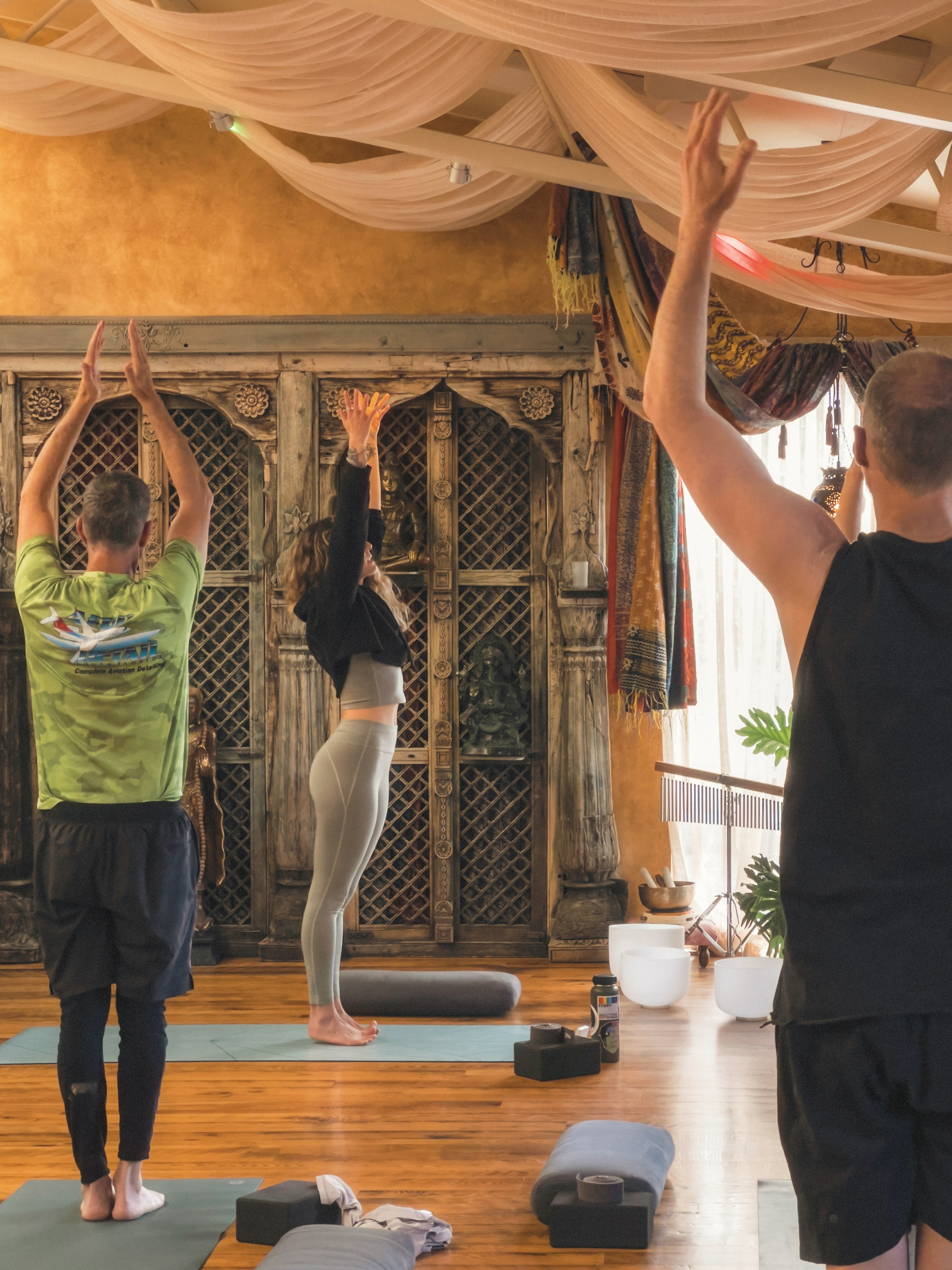
For deeper inquiry, longer retreats and pilgrimages integrate daily ritual into a comprehensive routine. Guided temple walks invite you to traverse ancient sacred sites on foot, while residential retreats combine daily yoga, breathwork, and somatic release with traditional purification rituals. Multi-week teacher trainings also weave ceremony into their syllabus, offering foundational yogic education alongside sound, voice activation, and sacred group practices.
Water blessings and traditional purification
Throughout Indonesia and across Asia, water serves as a living element of cleansing and renewal. One of the most widespread rituals you will encounter is the Melukat ceremony, a Balinese water purification practice conducted by local priests or cultural custodians at sacred springs, rivers, and temple compounds.
During these ceremonies, cool holy water is poured over the crown of the head while prayers are spoken to clear stagnant energy, release emotional weight, and invite balance. Retreats often blend these authentic temple visits with daily movement, meditation, and village cultural workshops. Approaching these water rituals requires modest temple attire, open curiosity, and respect for local spiritual customs, offering a quiet, reverent encounter with living island traditions.
Elemental containers of cacao, breath, and fire
Many contemporary ceremonies in the region draw upon elemental practices to create grounded, communal spaces for transformation. Cacao ceremonies use pure, ceremonial-grade cacao as a gentle facilitator for heart opening, guided meditation, and devotional singing or kirtan. These circles focus on presence and honest connection rather than rigid dogma.
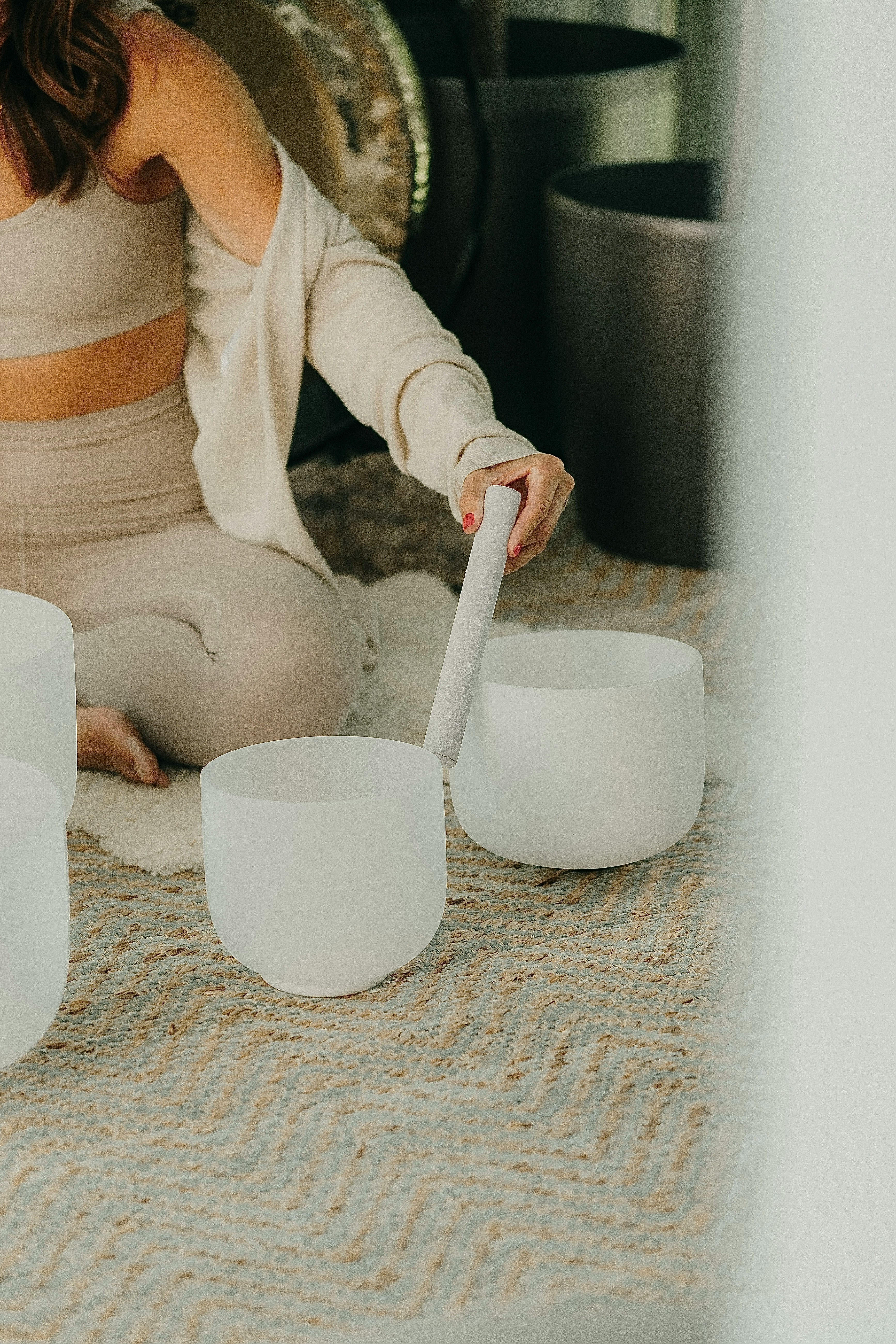
Fire ceremonies, often held under the new or full moon, offer an intentional space to release old patterns through symbolic offerings into the flames. Paired with conscious breathwork, shamanic journeys, or singing bowls, these gatherings help regulate the nervous system and clear mental fatigue. The setting remains simple and supportive, allowing you to participate at whatever depth feels right for you, whether in stillness or through shared song.
Choosing and preparing for your practice
Selecting a ceremony depends on what you wish to explore and how much time you have. If you want a subtle reset, a ninety-minute steam ritual, breathwork circle, or evening sound bath provides immediate physical and mental restoration. If you are navigating a major life transition, a dedicated multi-day retreat combining somatic therapy, silent contemplation, and personal healing sessions offers structured support.
When preparing for ceremony, arrive well-hydrated, well-rested, and with a light stomach, especially for cacao, breathwork, or active movement. Wear loose, comfortable clothing made from breathable natural fabrics. Most importantly, enter the space without rigid expectations. Ceremonies are not performances; they are quiet opportunities to listen inward, share space with fellow seekers, and let the practice unfold naturally.