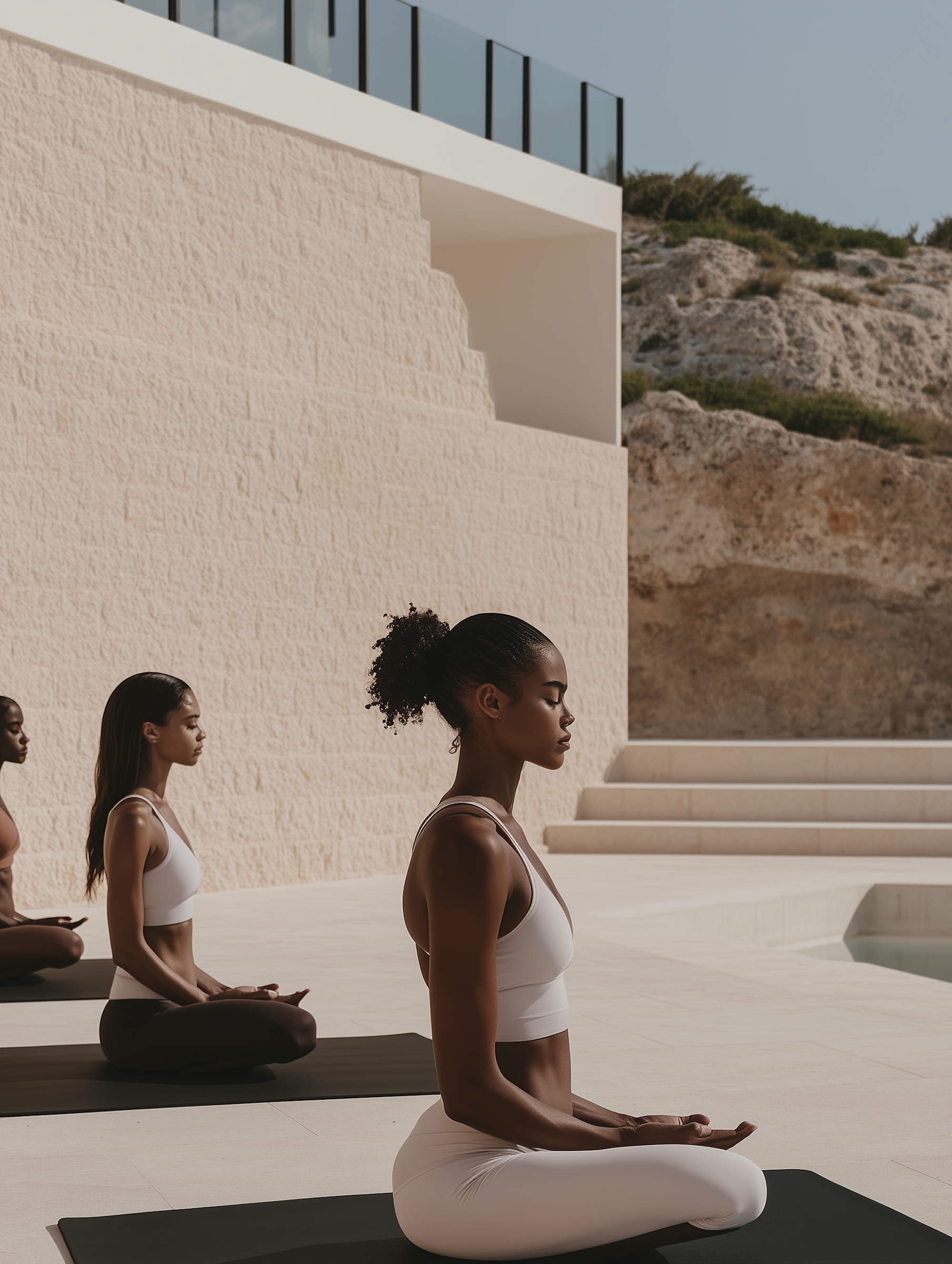
Distinct approaches to stillness and inner focus
Meditation trainings across the region draw from a diverse tapestry of spiritual traditions. Some pathways focus on classical stillness, mindfulness, and silent contemplation, grounding trainees in time-tested techniques such as seated observation of the breath, mindful walking, and Vipassana. These courses emphasise sustained attention, inner enquiry, and the psychological mechanics of calming an active mind.
Other programmes integrate meditation directly into complementary practices. You will find curricula that weave seated meditation with Tantric philosophy, pranayama, and nervous system regulation, as well as courses that pair contemplative stillness with sound healing, yoga nidra, and restorative movement. These multi-disciplinary frameworks explore how sound resonance, conscious breathing, and subtle energy work can prepare both body and mind for deeper states of quiet. Whether focused strictly on silent sitting or combined with holistic modalities, each approach offers a rigorous foundation for cultivating steady awareness.
The daily rhythm of an immersive training
An intensive meditation training immerses you in a structured, contemplative routine designed to foster deep personal insight. Days often commence in the quiet hours of early morning with seated meditation, chanting, or gentle breathwork before the heat of the day sets in. Morning practice helps quiet external distraction, allowing you to settle into a receptive state for the lectures and workshops that follow.
The curriculum balances experiential sitting with thorough pedagogical study. Trainees examine the philosophy of mind, functional anatomy, nervous system mechanics, and traditional texts. A significant portion of your time is dedicated to practical teaching methodology. You will practice guiding prompts, finding your authentic vocal presence, holding space for emotional release, and tailoring meditation sessions for beginners and experienced practitioners alike. Regular group discussions, self-reflection, and periods of silence support the integration of these tools.
Selecting the right focus and format
When choosing a training, consider both your current depth of practice and your personal intentions for teaching. Dedicated modular certifications, such as focused fifty-hour or one-hundred-hour courses in breath and meditation, are ideal if you already hold a teaching foundation or wish to add targeted facilitation skills to your existing work. These shorter immersions concentrate on specific techniques like mantra, sound baths, or trauma-informed space holding.
Comprehensive two-hundred-hour and three-hundred-hour teacher trainings offer a complete immersion into yogic living, philosophy, and teaching methodology. These longer programmes often integrate meditation within broader multi-style asana disciplines, somatic psychology, or yin yoga. If you wish to certify professionally under international standards or undergo a deep personal immersion with dedicated mentorship, a full residential certification provides the structured environment and sustained community support needed to grow.
Living and learning in supportive surroundings
The physical environment plays a meaningful role in supporting internal stillness during an intensive course. Many trainings are hosted in tranquil settings such as peaceful rice fields, coastal cliffs, or lush jungle valleys. These natural landscapes offer natural buffers from modern noise, making it easier to unwind accumulated tension and focus on daily contemplation.
Training venues are thoughtfully arranged to nurture your well-being throughout the journey. Dedicated open-air shalas provide shaded space for group sitting and lectures, while communal dining areas serve nourishing vegetarian, vegan, and organic meals prepared to sustain physical vitality and mental clarity. On-site pools, quiet gardens, libraries, and nearby natural elements offer space to rest and reflect between study modules. Living in community with fellow practitioners creates a shared field of encouragement, helping you stay grounded as you navigate deep personal work.