From personal stillness to holding space
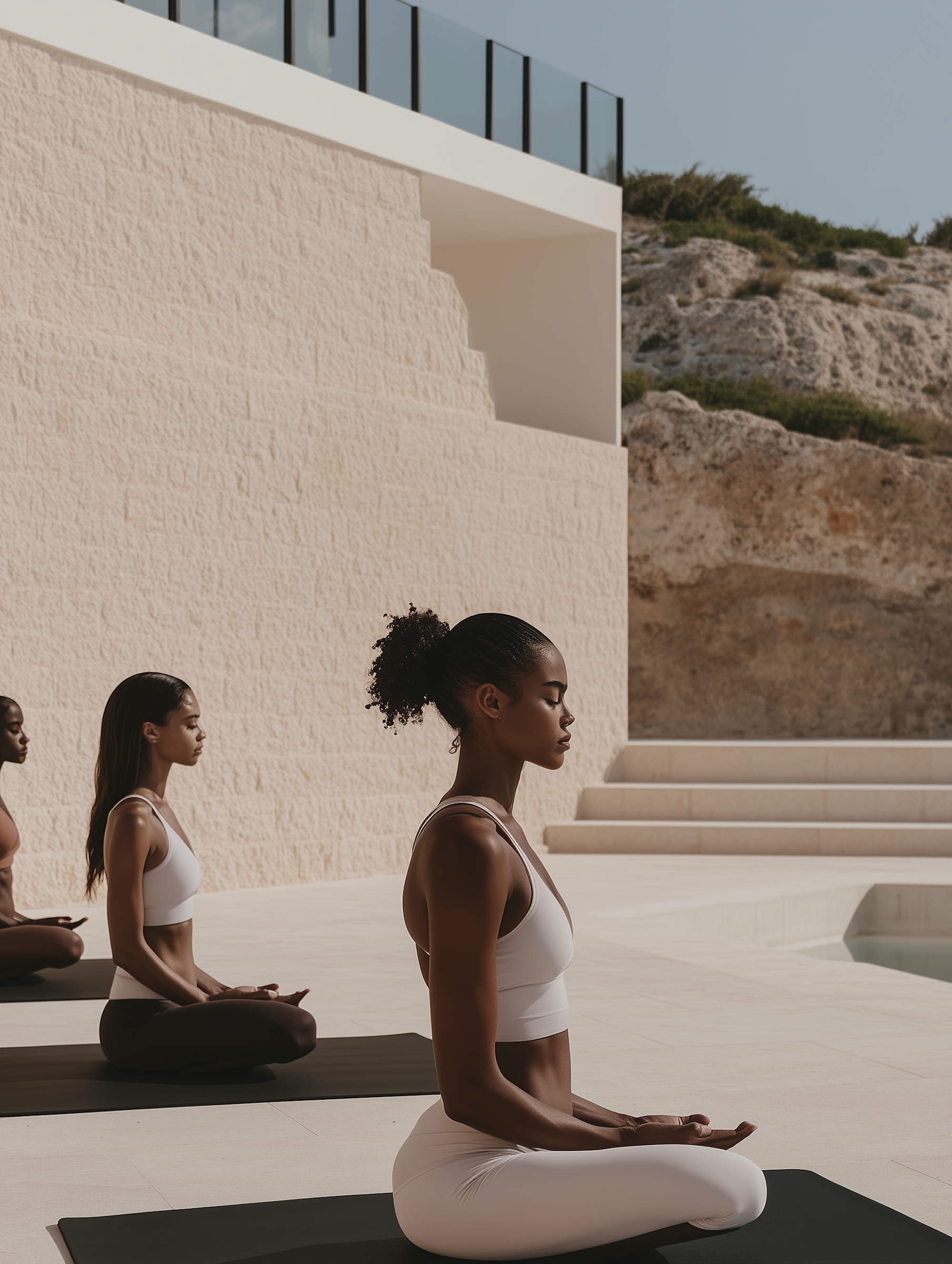
Learning to teach meditation requires moving beyond your own seat on the cushion. The trainings gathered here examine the mechanics of awareness: how the nervous system settles, how attention wanders and returns, and how spoken guidance can either support or disrupt another person's inquiry. You will explore classical breathwork, mantra, mindfulness, and silent sitting alongside the practical craft of voice, pacing, and cues.
Rather than treating meditation as an afterthought at the end of physical movement, dedicated trainings treat stillness as the primary discipline. You study traditional philosophy behind seated practice alongside modern somatic insights and trauma-informed principles. This grounding ensures you can create safe, steady containers for students navigating varied emotional and physical landscapes during long periods of quiet.
Styles of meditation across the curriculum
The approaches here span diverse meditative traditions. Some curricula root deeply in Tantric Hatha traditions and classical pranayama, using breath control and subtle energy channels to prepare the mind for unforced absorption. Others focus on Vipassana and walking meditation, training clear observation of physical sensation and thought without attachment.
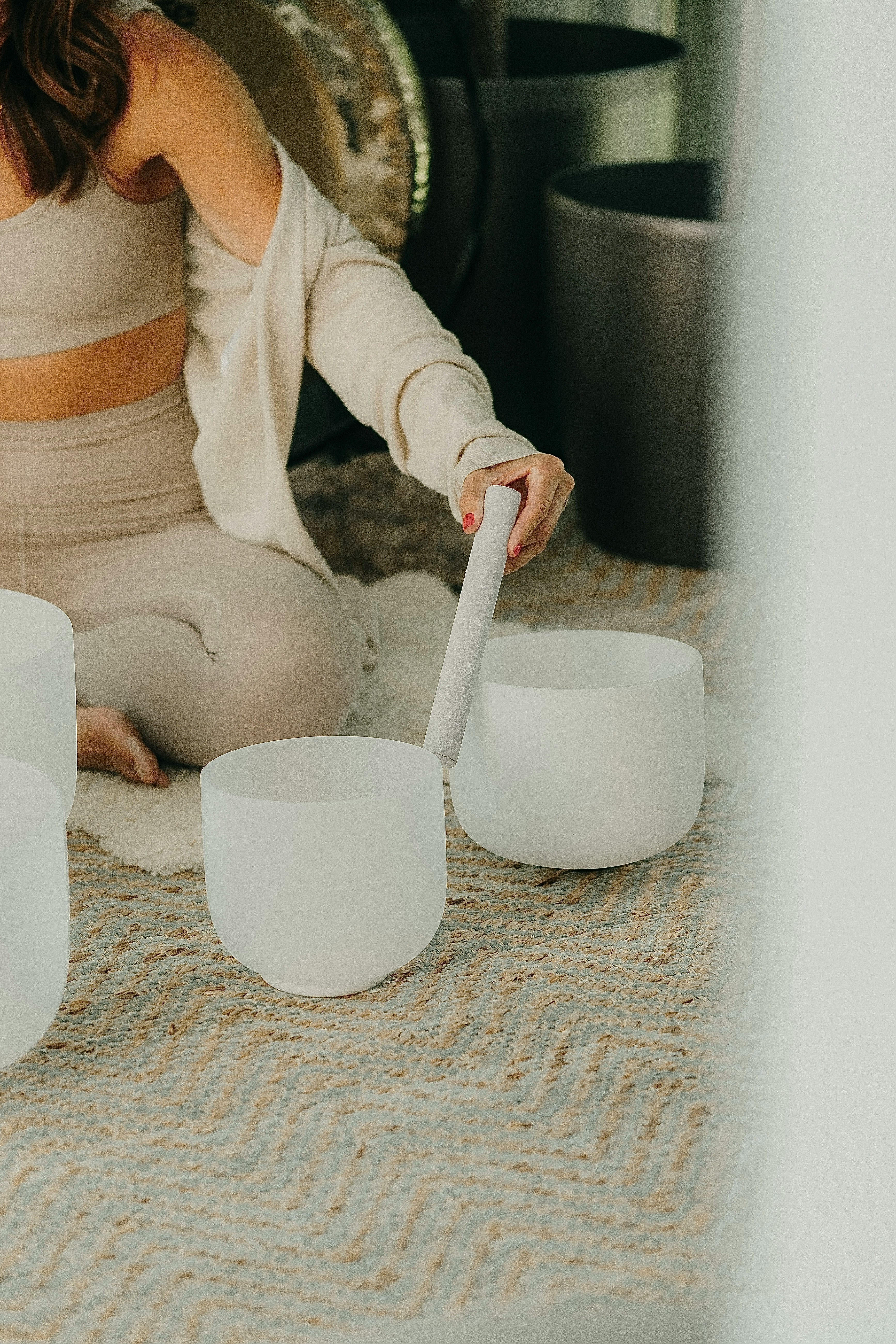
You will also find programmes that weave meditation with complementary somatic modalities. Yin yoga, breathwork, and sound healing frequently intersect with seated awareness, offering pathways to release physical tension before sitting. Restorative practices and Yoga Nidra allow the body to drop into states of conscious rest, making meditation accessible for those working with fatigue, trauma, or overstimulated nervous systems.
Choosing between foundational and advanced hours
The paths here cater to different stages of teaching. If you are starting fresh, comprehensive 200-Hour programmes establish your base, covering philosophy, anatomy, meditation methodology, and daily teaching clinics. These foundational courses provide the standard accreditation to teach internationally while building your personal discipline from the ground up.
If you already hold a foundational certificate, modular courses let you specialise without repeating the basics. You might choose a focused 50-Hour or 100-Hour immersion in breath and sound, or commit to a comprehensive 300-Hour multi-style training to complete an advanced certification. Short-format and hybrid options also allow you to combine intense residential study with self-paced online modules, fitting extensive practice around your existing commitments.
What daily life looks like on immersion
Residential trainings are structured to minimise daily distractions so your attention remains unified. Days typically begin at sunrise with silent meditation, pranayama, and asana practice before the heat settles in. The morning hours transition into methodology, anatomy lectures, and script analysis, breaking down how to structure sessions for varied settings.
Afternoons focus on practical application. You will practice guiding your fellow students through short sits, receiving direct feedback on your tone, cadence, and language from experienced mentors. Evenings often wind down with restorative yoga, Yoga Nidra, or sound baths, supported by nourishing communal meals and quiet garden or shala spaces that foster contemplative living throughout your stay.