Choosing between foundational courses and specialised modules
Teacher trainings come in many shapes, ranging from comprehensive foundational certifications to shorter, focused immersions. If you are starting your teaching journey or seeking a broad grounding in posture, functional anatomy, and philosophy, a 200-Hour multi-style, hatha, or vinyasa course offers a complete grounding.
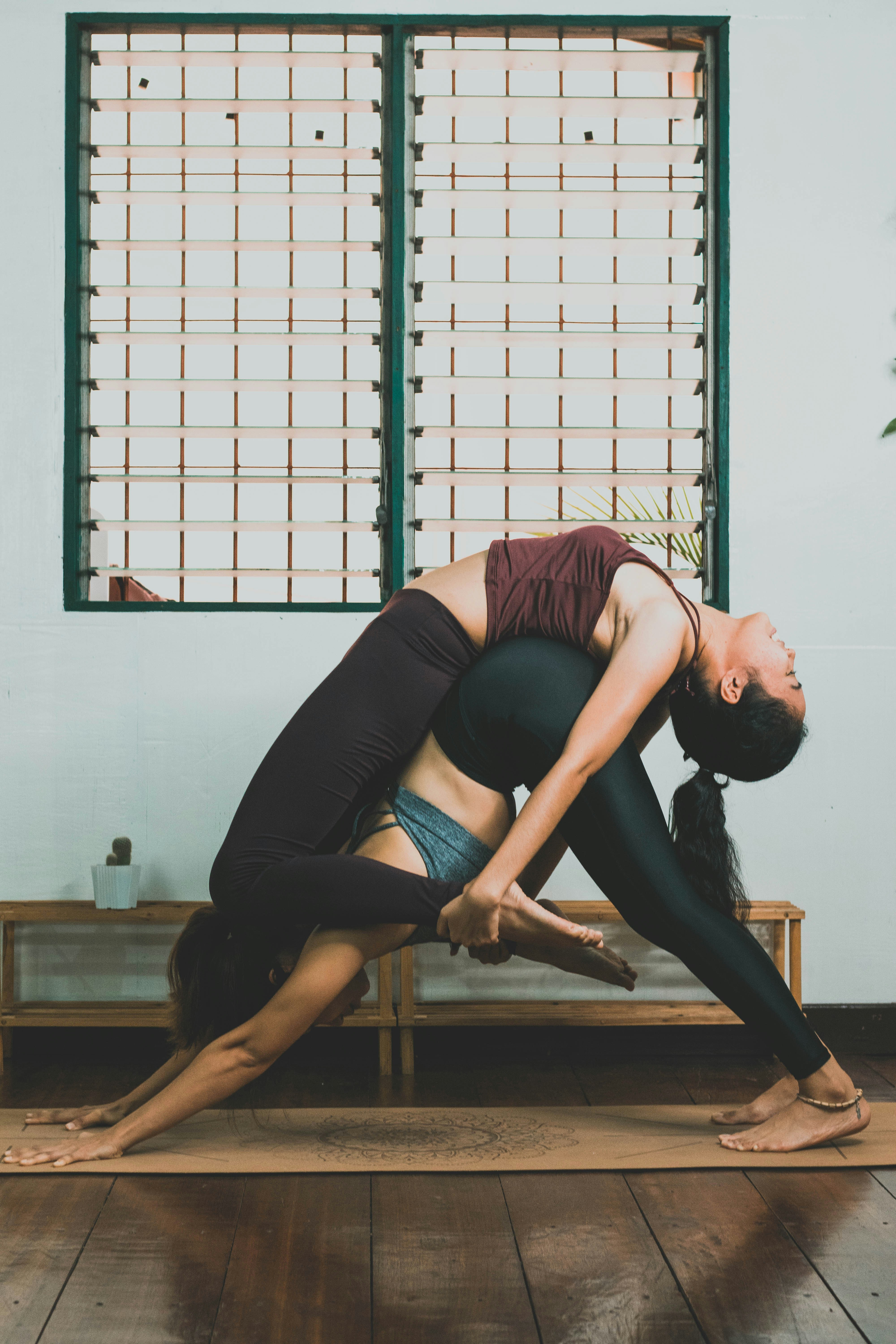
For practitioners looking to deepen a specific modality or build continuing education hours, shorter courses concentrate on distinct practices. You can delve into yin yoga, sound healing with Tibetan singing bowls, aerial foundations, or somatic alignment and yoga therapy. Advanced practitioners and existing teachers can also find 300-Hour programmes designed to refine adjustments, sequencing, and subtle body exploration.
Immersive residential stays and hybrid study formats
How you absorb the material is just as vital as what you learn. Full residential intensives allow you to step away from daily routines entirely, living on site alongside mentors and fellow students with daily practice, nourishing vegetarian meals, and communal learning spaces.
Hybrid formats offer an adaptable alternative, combining self-paced online study modules with intensive onsite practice in open-air shalas. This structure allows you to digest anatomical theory and philosophy at home before joining in person for hands-on adjustments, teaching clinics, and personal feedback. Both approaches foster steady confidence and close peer community.
What to expect during your course
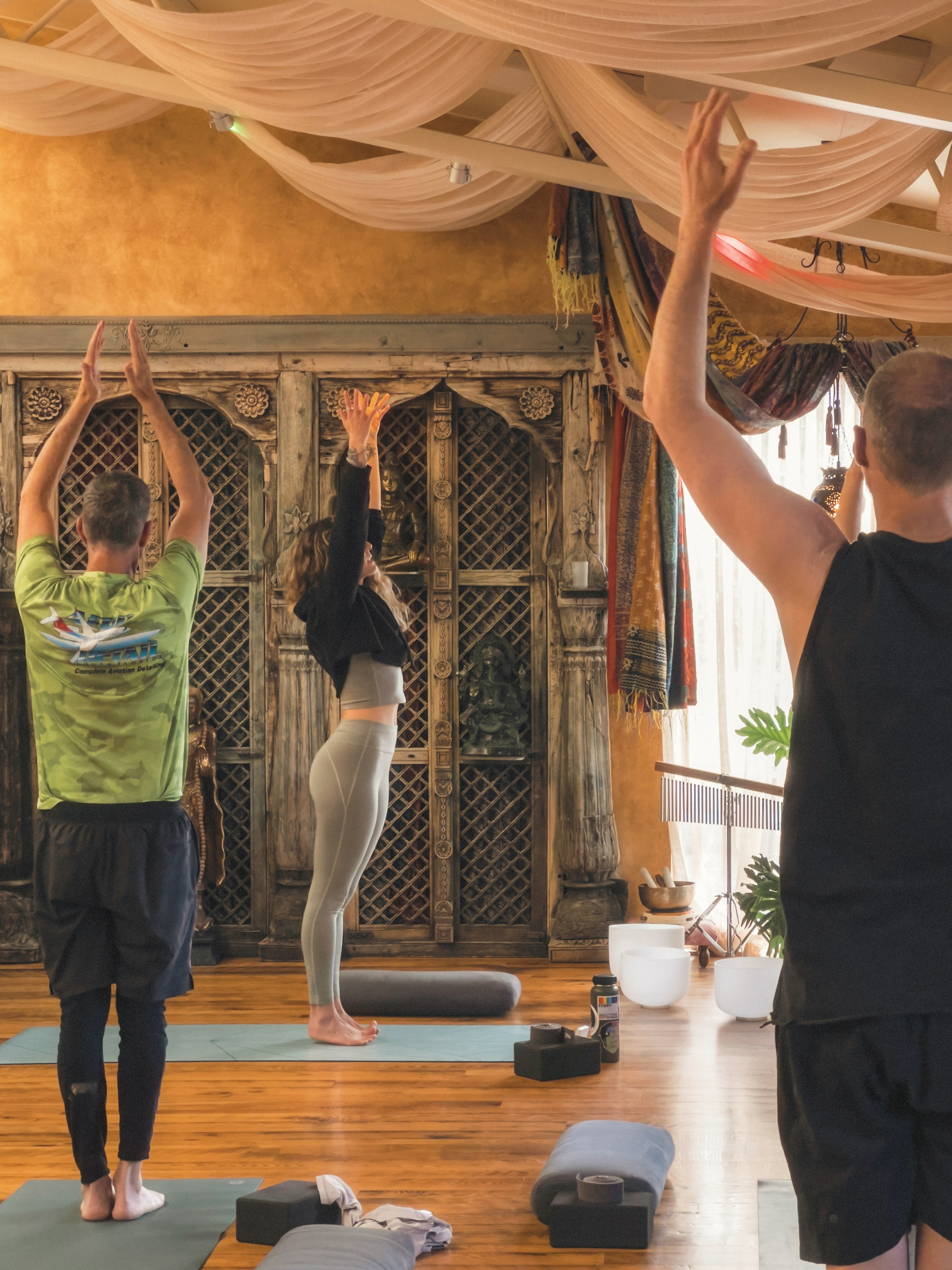
Training days are intentionally structured, balancing rigorous physical practice with lectures on philosophy, anatomy, and sequencing methodology. Early mornings often begin with meditation, pranayama, and asana, followed by posture clinics, functional alignment breakdowns, and peer-to-peer teaching practice where you lead classes right from the start.
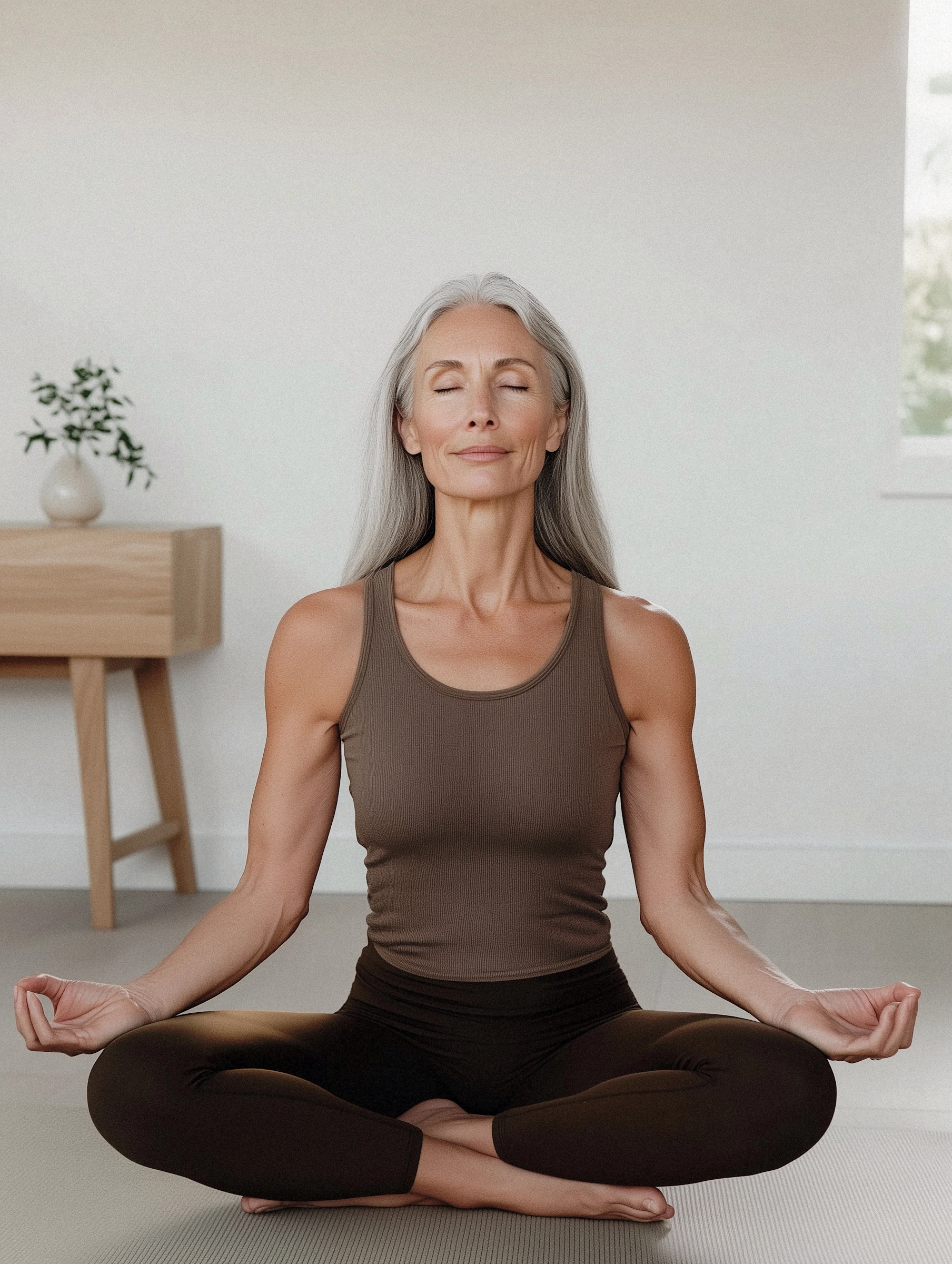
Beyond physical movement, trainings explore the energetic and philosophical dimensions of practice through mantra, sound work, or guided silent contemplation. You will leave not just with formal certification, but with practical tools, refined self-awareness, and a grounded voice ready to share practice with others.