Yoga Trainings
Stepping into a yoga teacher training is often less about becoming an instructor and more about deepening your relationship with the mat, the breath, and yourself. This collection gathers immersive residential programmes, hybrid courses, and focused modular intensives across foundational and specialised traditions. Whether you are seeking a comprehensive 200-Hour qualification in dynamic vinyasa and traditional hatha, or looking to broaden your scope through yin, sound healing, and aerial arts, these trainings provide dedicated space to study anatomy, philosophy, and alignment. Surrounded by experienced practitioners and supportive peers, you will find immersive spaces designed to help you integrate daily practice, refine your personal voice, and build the confidence to hold space for others.
Foundational certifications and advanced study
A 200-Hour teacher training serves as the universal foundation for yoga instruction, establishing your grounding in asana alignment, sequencing methodology, functional anatomy, and classical yogic philosophy. These foundational immersions welcome both aspiring teachers and dedicated practitioners who simply wish to explore their personal practice on a deeper level.
For those who already hold a foundational certificate, 300-Hour programmes and targeted 100-Hour modules offer advanced pathways toward comprehensive RYT-500 recognition. These advanced courses delve into yoga therapy, subtle body energetics, nuanced hands-on adjustments, and trauma-informed space holding, helping experienced facilitators refine their therapeutic precision and cultivate a mature, authentic teaching presence.
Choosing the right tradition and pace
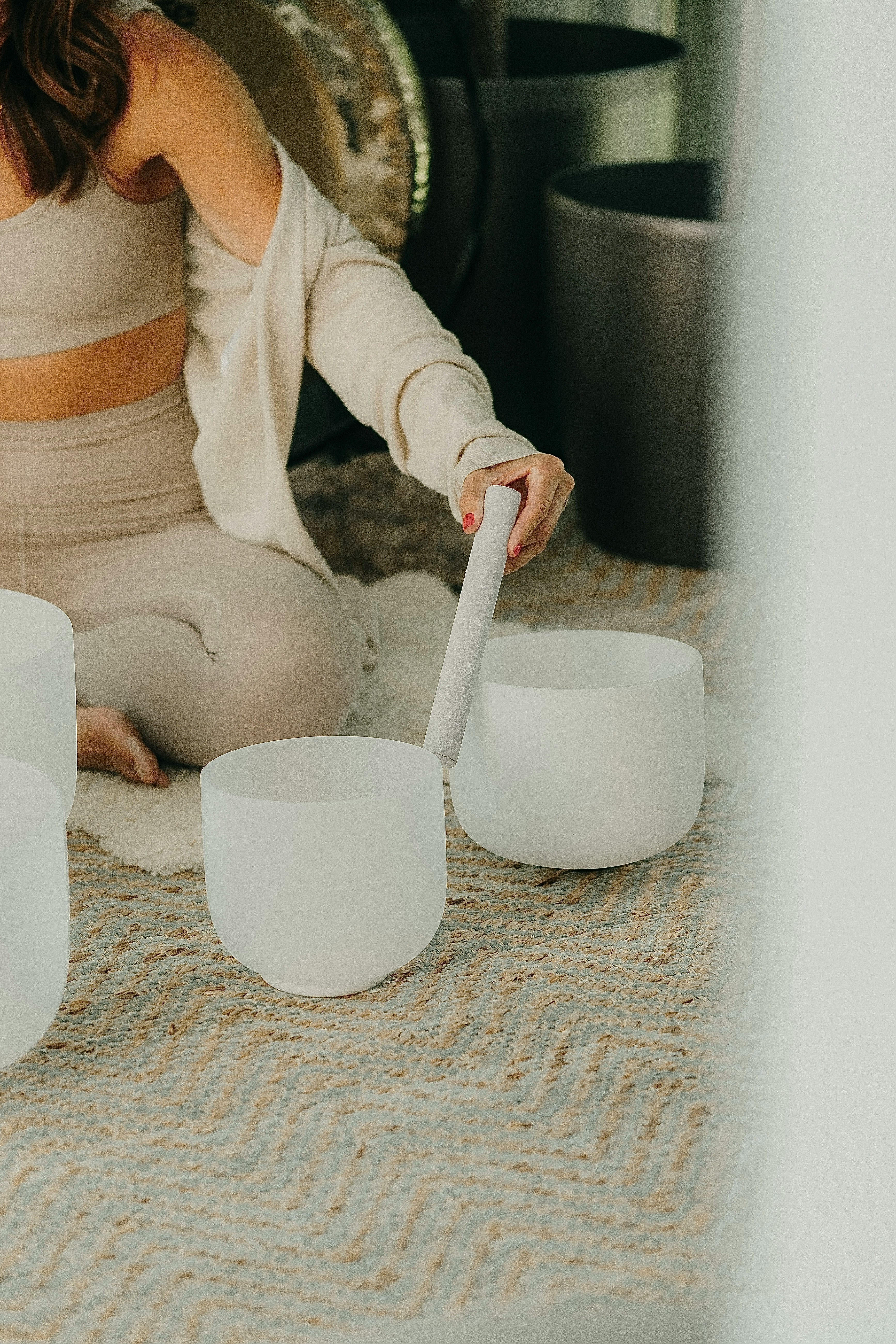
Yoga encompasses a wide spectrum of traditions, and trainings reflect this diversity. Dynamic vinyasa and ashtanga immersions focus on progressive movement, breath synchronisation, and energetic sequencing. In contrast, yin and restorative trainings explore myofascial release, meridian theory, and quiet nervous system regulation, frequently incorporating sound healing instruments or breathwork into the curriculum.
Format is another key consideration. Fully residential courses offer unbroken immersion over several weeks, allowing you to live and breathe the practice alongside your cohort. Hybrid programmes balance this depth with flexibility, combining 100 hours of self-paced online anatomy and philosophy study with intensive onsite practical teaching in dedicated open-air shalas.
What to expect inside the curriculum
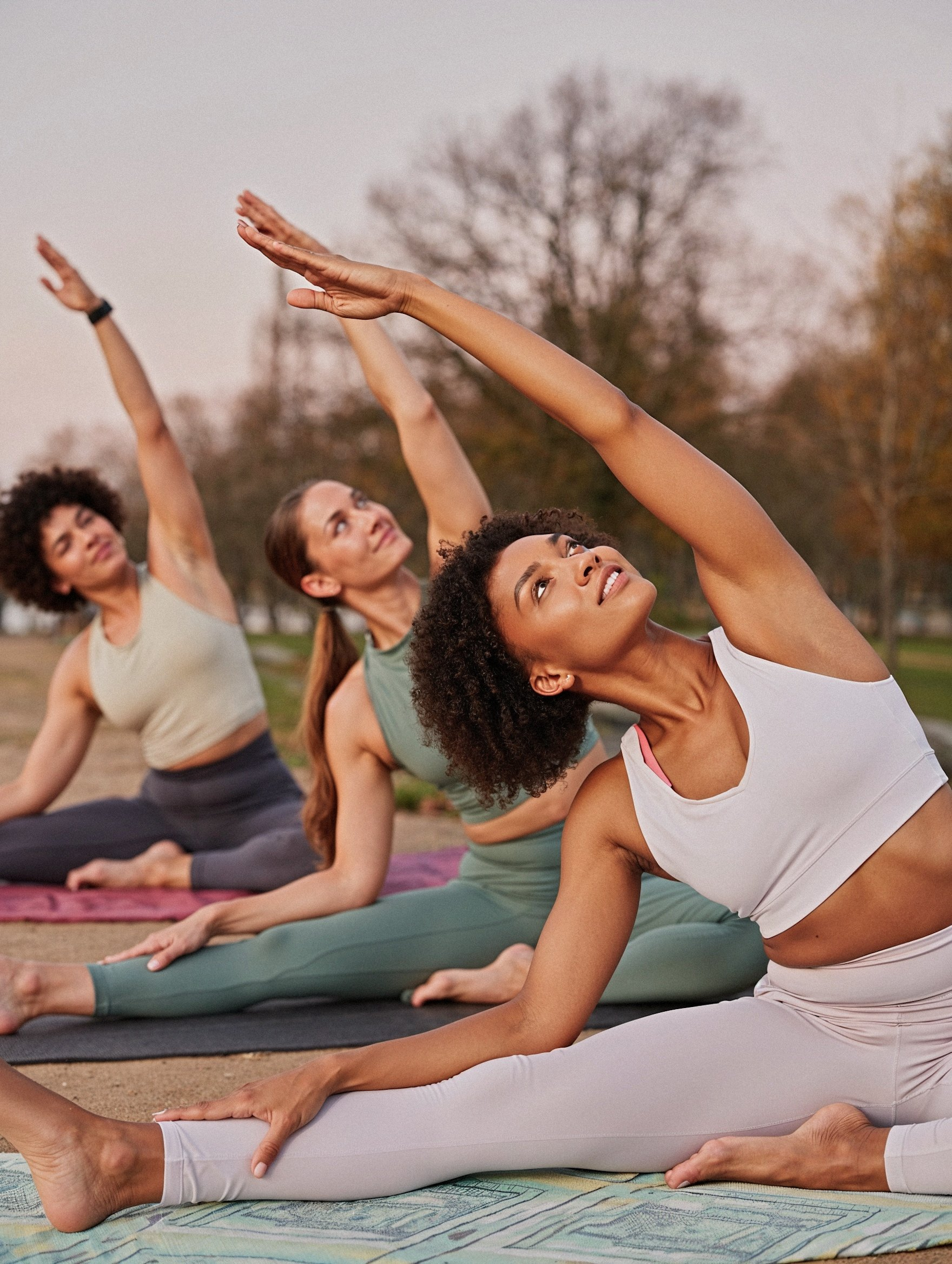
A comprehensive training balances physical discipline with theoretical depth. Daily schedules typically open at sunrise with pranayama, meditation, and an intensive asana practice, followed by structured lectures exploring functional anatomy, skeletal variation, and injury prevention. Understanding how bodies move differently ensures you can teach safely across diverse student needs.
Philosophical studies explore traditional texts, yogic ethics, and subtle anatomy such as chakras and kriya practices. Crucially, practical teaching begins early. You will practise verbal cueing, intelligent sequencing, and compassionate adjustments in small groups, receiving constructive feedback from lead teachers so that by graduation, leading a room feels natural, steady, and clear.
Preparing body and mind for intensive study
Immersing yourself in daily training demands energy, openness, and physical resilience. Preparing in advance helps you absorb the material without burning out. Maintaining a consistent personal practice in the weeks leading up to your course builds baseline stamina, while familiarising yourself with foundational postures and basic yogic texts creates an easy entry point for lecture modules.
Arrive with an open mind and a willingness to be a beginner again. Many trainings include communal living, nourishing vegetarian meals, and sacred evening circles such as kirtan or sound baths. Give yourself permission to step away from daily digital distractions and embrace the rhythm of collective practice, rest, and personal reflection.