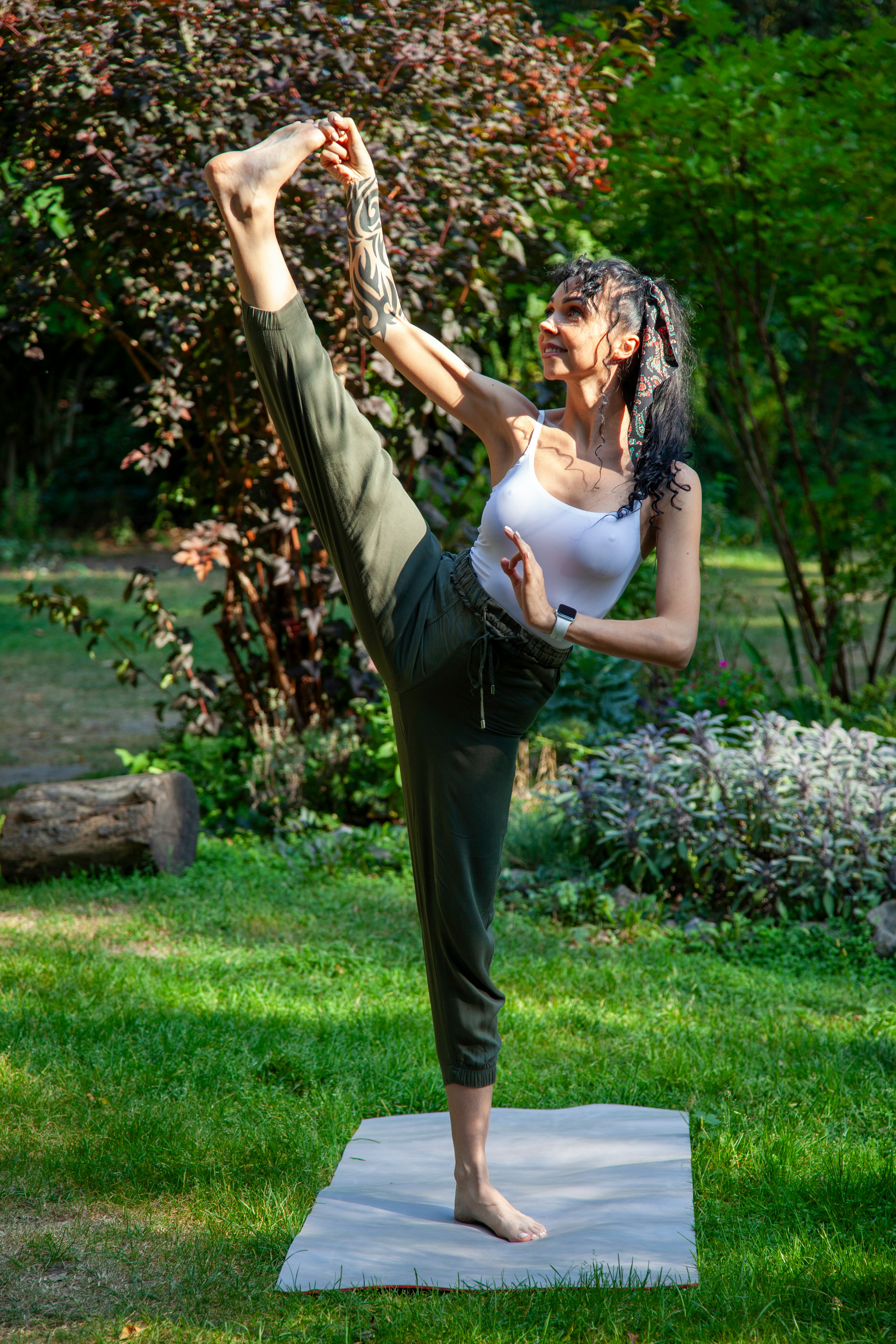
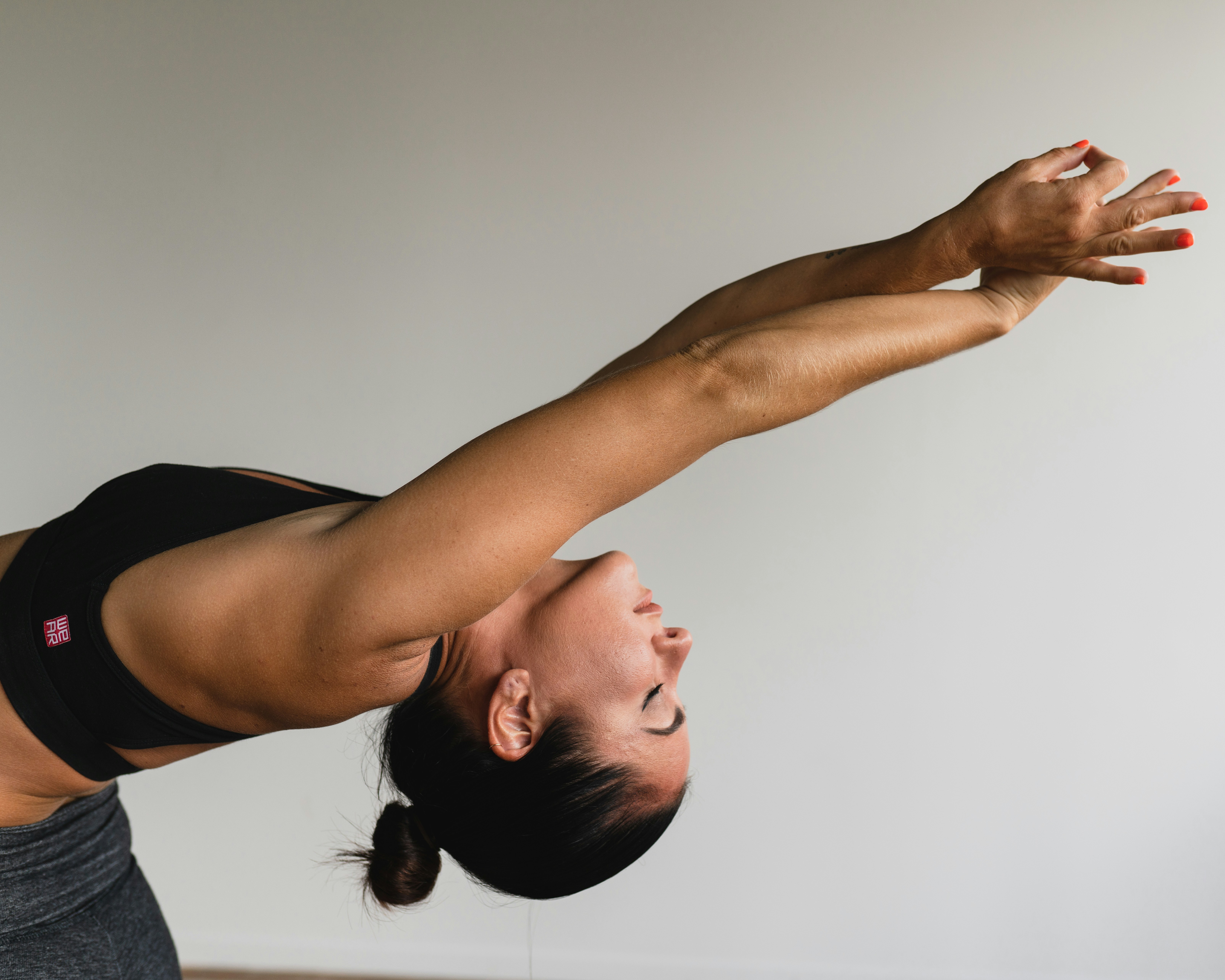
Building a practice from the ground up
Hatha yoga prioritises steady alignment, breath awareness, and sustained holds, making it the bedrock for understanding posture mechanics. In these teacher training courses, you delve into the structural anatomy and energetic principles that underpin physical yoga.
The curriculum balances daily asana analysis with applied philosophy, sequencing technique, and practical teaching clinics. Rather than rushing through dynamic flows, you learn how to deconstruct each posture, offer intelligent modifications, and guide students safely through classical postures. This grounded approach equips you with a clear structural foundation, whether you plan to step directly into teaching or simply want to understand your personal practice with greater technical depth.
Comparing intensive immersions and hybrid formats
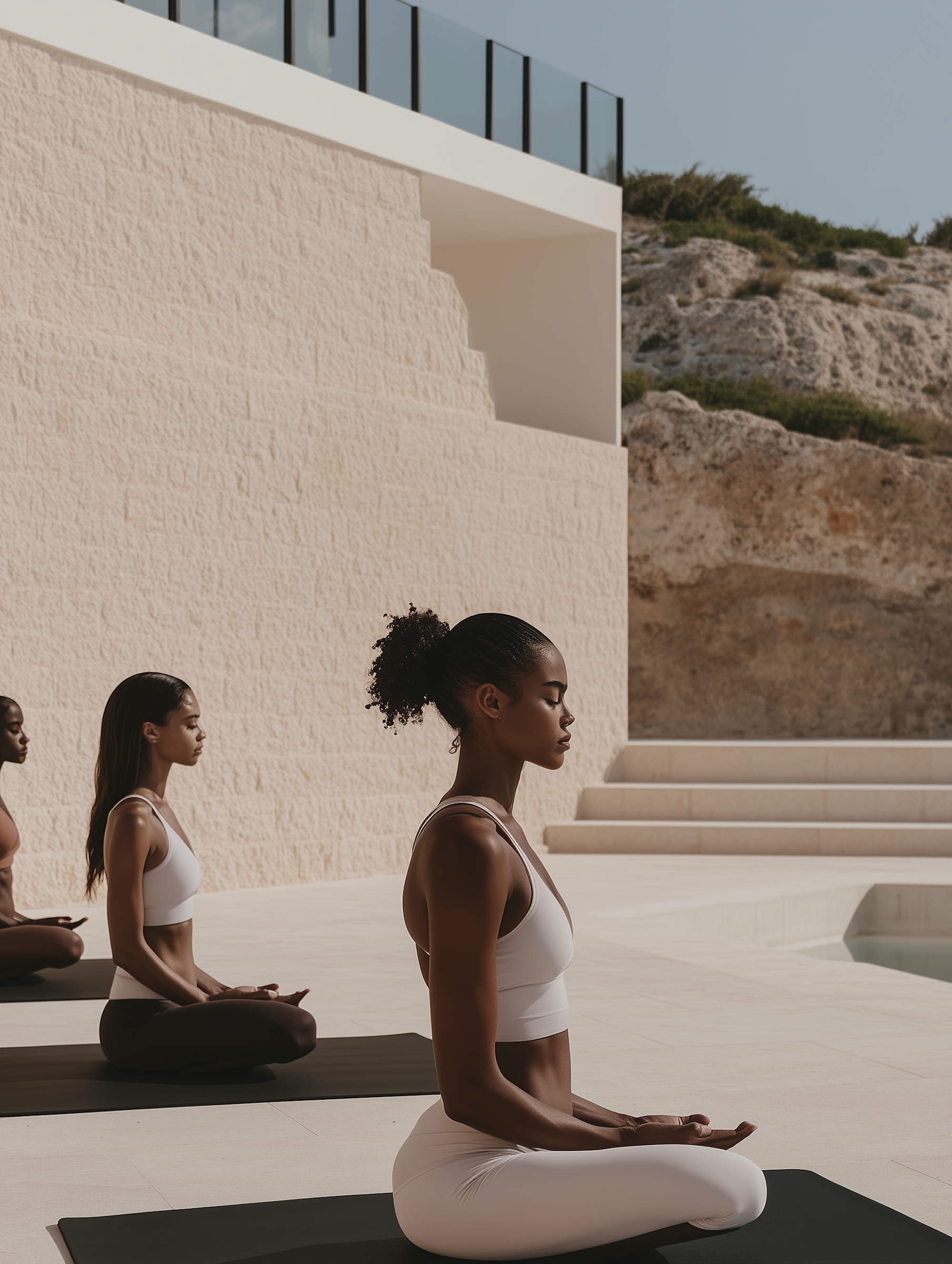
Teacher trainings on this page span several formats designed to suit different learning styles and schedules. Fully residential immersions offer total absorption, placing you in open-air shalas surrounded by nature, where morning meditation, daily practice, and evening philosophy lectures follow a continuous daily rhythm.
For those balancing other commitments, hybrid programmes combine self-paced online study covering anatomy and history with focused onsite practical intensives. Foundation courses generally provide 200 hours of study suitable for dedicated practitioners, while advanced 300-hour pathways allow existing teachers to expand into somatic movement, breathwork, and multi-style teaching. Shorter modular additions also cater to specific disciplines such as yin or aerial work.
What to expect in your daily training schedule
Days during a training immersion typically begin early with pranayama, chanting, or meditation before moving into extended morning asana practice. Midday sessions focus on functional anatomy, posture breakdown, and traditional yogic texts, bridging classical theory with modern body mechanics.
Teaching practice is woven into the schedule from the opening days. You will work in small peer groups to practice verbal cueing, physical adjustments, and class sequencing, building vocal confidence and presence in a supportive setting. Nutritious vegetarian or plant-based meals, shared reflection time, and restorative evening practices round out the day, ensuring you have the physical stamina and mental space required for intensive study.