Foundational certifications and advanced pathways
If you are stepping into teaching for the first time, a 200-hour course serves as the foundational standard recognised worldwide. These entry-level programmes establish your grounding in alignment, posture modifications, breathwork, and the art of cueing fluid transitions. For those who already hold an initial certification and wish to refine their craft, 300-hour trainings dive deeper into advanced sequencing, subtle anatomy, and complementary disciplines.
Short-format courses, ranging from 30-hour to 100-hour modules, offer targeted study in areas like aerial practice or somatic movement. You can choose between fully residential programmes that keep you immersed onsite for several weeks, or hybrid formats that blend self-paced online theory with focused days of in-person teaching practice.
What to expect from dynamic teacher training
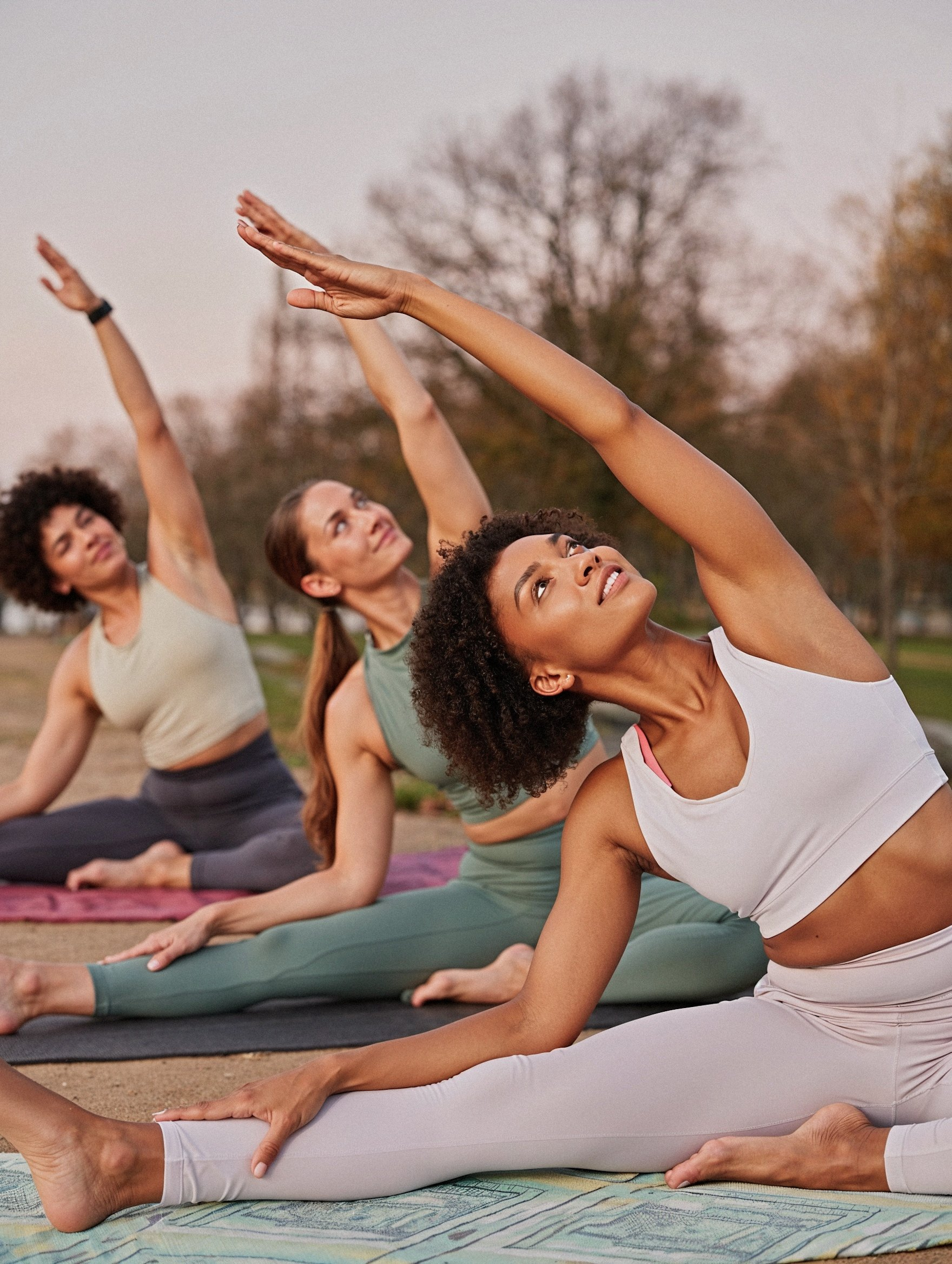
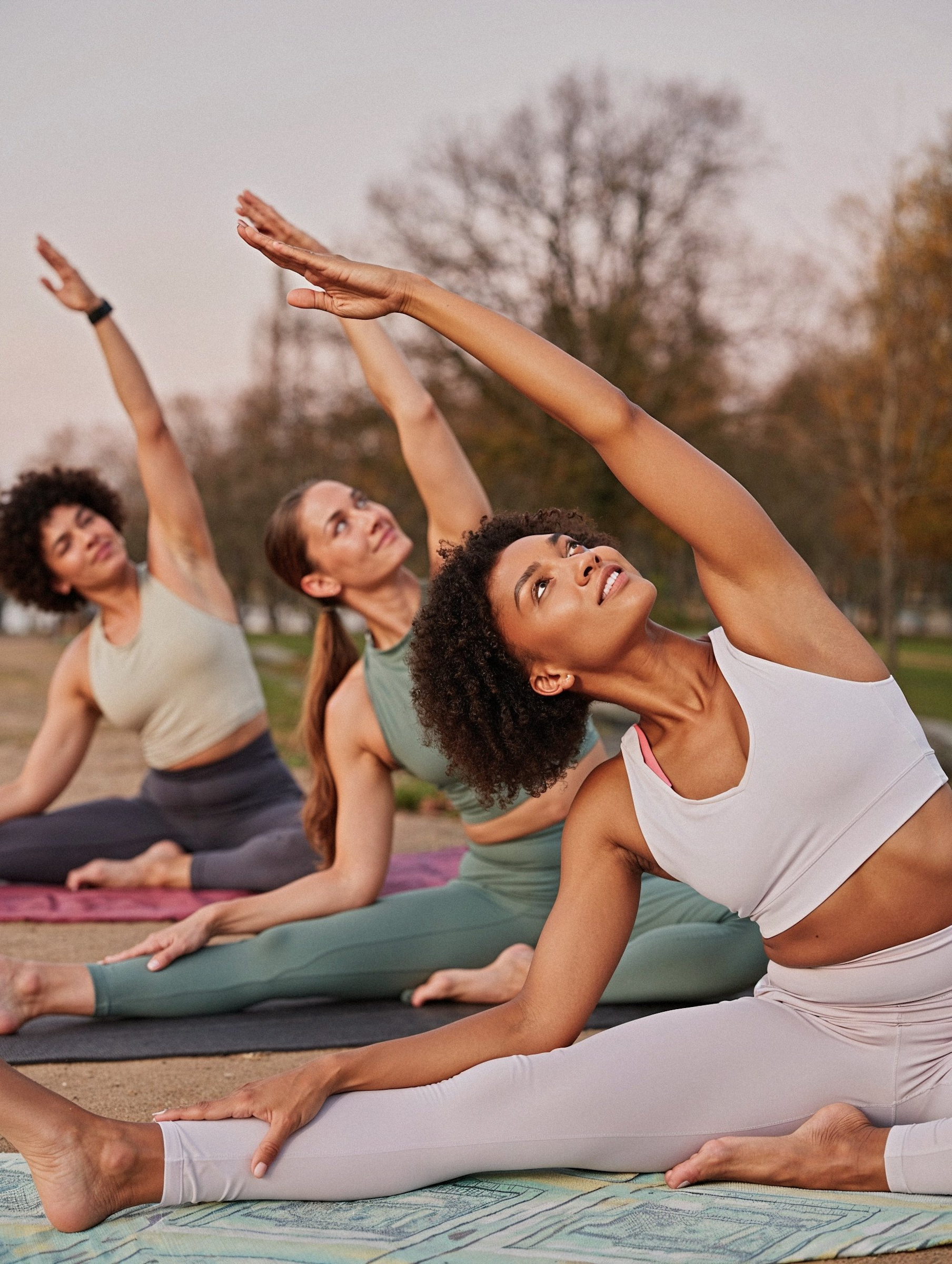
Vinyasa flow relies on intelligent progression, where every posture prepares the body for the next. During a training, your days balance rigorous physical practice with analytical study. You will spend time deconstructing sun salutations, learning how to structure peak-pose classes, and exploring functional movement principles that support joint longevity and safe alignment.
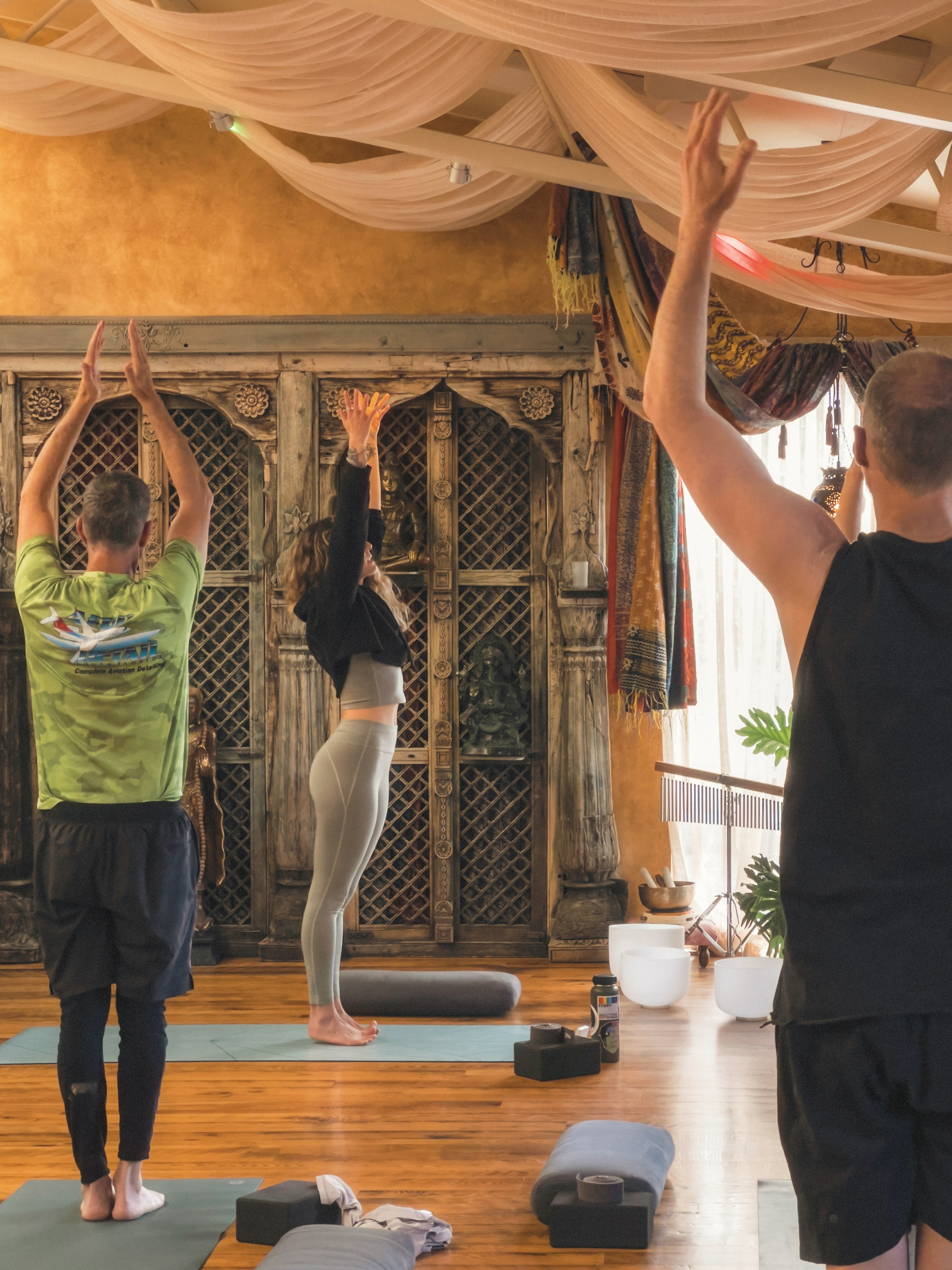
Teaching practice begins early in most programmes. Rather than waiting until your final days, you will step into small groups to practise vocal cueing, time management, and hands-on adjustments. Courses also weave in yogic philosophy, history, and complementary practices such as pranayama, yin, and yoga nidra to give you a well-rounded foundation for holding space.
Selecting the right environment for your study
Choosing a training is as much about the environment as the curriculum. Some seekers thrive in dedicated residential retreat settings surrounded by quiet gardens and rice fields, where daily living and study happen in one shared rhythm. Others prefer settings near coastal waters or lively community hubs that allow for restorative breaks between intense training blocks.
Consider whether you prefer a pure vinyasa focus or a multi-style programme that integrates elements of hatha, ashtanga, or therapeutic movement. Taking time to review daily schedules, teacher specialisms, and onsite amenities like shalas and plant-based meals ensures you find a setting where you can focus entirely on your physical and personal development.