Bridging ancient pranayama and modern breath science
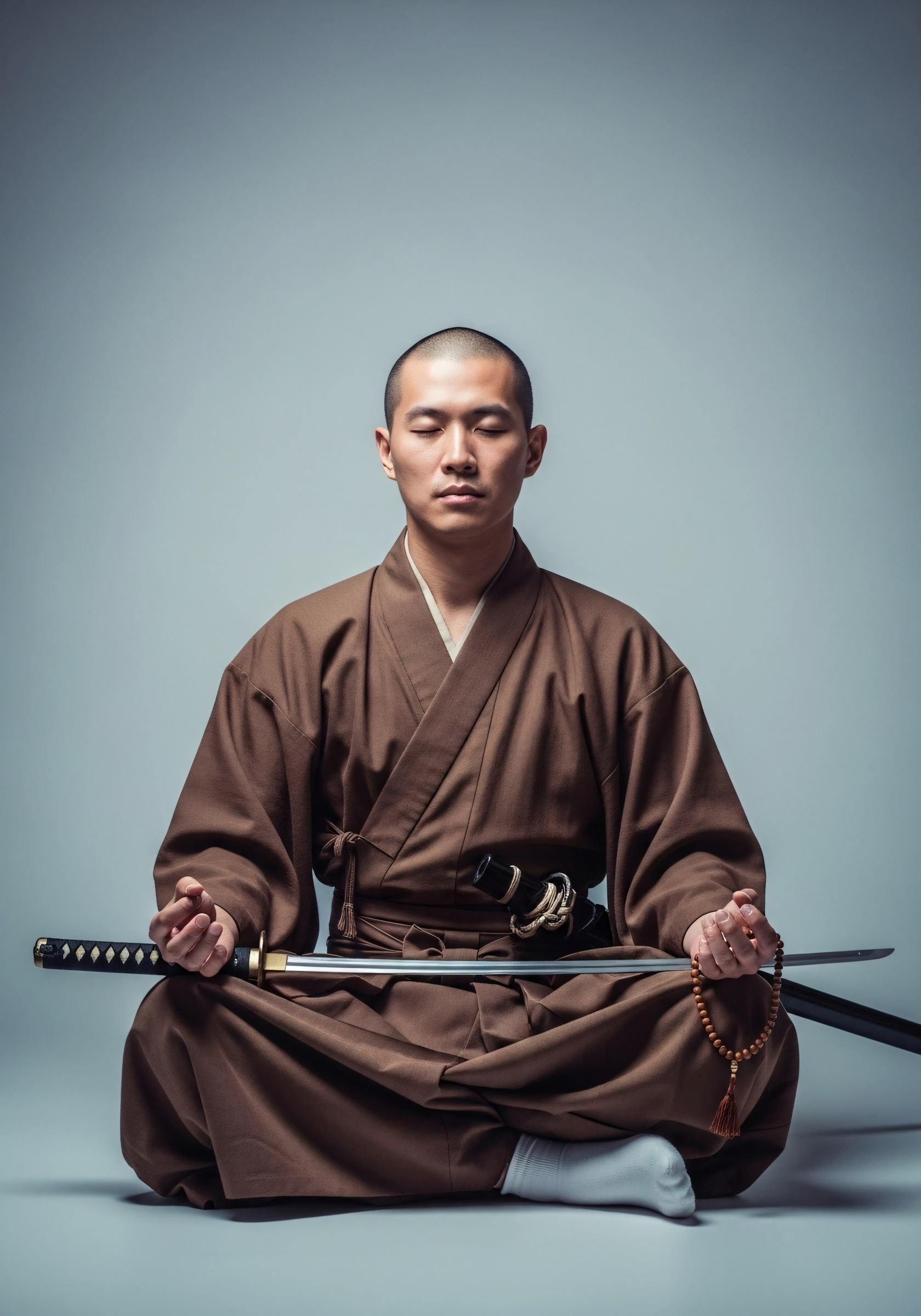
Breathwork trainings across the region draw on both ancestral yogic traditions and contemporary somatic science. Classical pranayama explores subtle energy channels, bandhas, and conscious breath retention, cultivating internal stillness and energetic balance. Alongside these traditional roots, many courses incorporate functional respiratory anatomy, nervous system regulation, and trauma-informed guidance.
You will encounter diverse methodologies ranging from circular breath patterns and transformational breathwork to restorative practices, SOMA, and the Wim Hof Method. Learning how varying tempos, retentions, and breath depths alter human physiology allows you to facilitate with safety and integrity. You study how to read physical responses in the room, offer supportive touch or verbal cues, and create a secure space for students navigating both deep relaxation and cathartic emotional releases.
Choosing your certification path
The trainings gathered here vary from focused 50-Hour and 100-Hour modules to comprehensive 300-Hour multi-style certifications. If you already teach yoga or facilitate movement, a shorter immersion can deepen your understanding of breath mechanics, Yin integration, and vocal cueing. These shorter programmes often focus on specific facilitation skills or act as continuing education.
For those seeking broader credentials, comprehensive programmes combine breathwork with asana, meditation, and philosophy. Several schools offer hybrid formats where you complete several days or weeks of intensive residential practice in an oceanfront shala or jungle retreat, accompanied by self-paced online coursework before or after your stay. This allows you to integrate complex theory at home while dedicating your in-person time to hands-on facilitation, peer feedback, and deep personal practice.
Training environments that support inner work
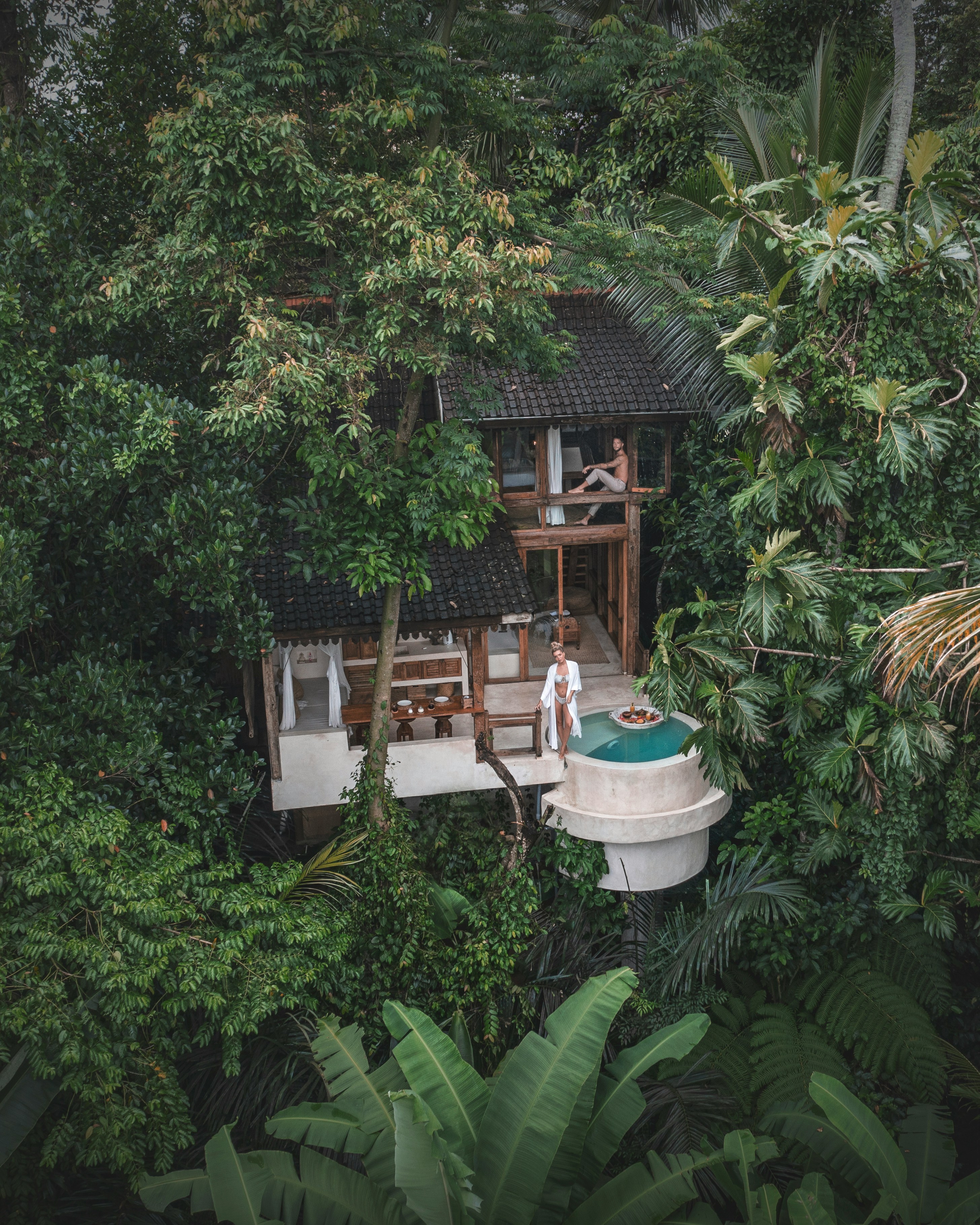
Deep breath exploration requires an environment where you feel fully grounded and unhurried. The trainings across Indonesia make intentional use of their natural surroundings to support intensive study. In Ubud, open-air wooden shalas sit amidst lush jungle foliage and vibrant rice fields, offering a quiet, earthy sanctuary for introspection and classical study.
Along the southern coastline in Uluwatu, cliffside spaces catch the sea breeze, providing expansive horizons and rhythmic ocean sounds that naturally complement breath practice. Elsewhere, on smaller islands like Nusa Ceningan, training takes place beside tranquil lagoons where small groups gather away from busy tourist hubs. With access to communal vegetarian dining, saltwater pools, and peaceful gardens, these settings ensure you can rest and integrate between demanding breath journeys.
What to expect during your training
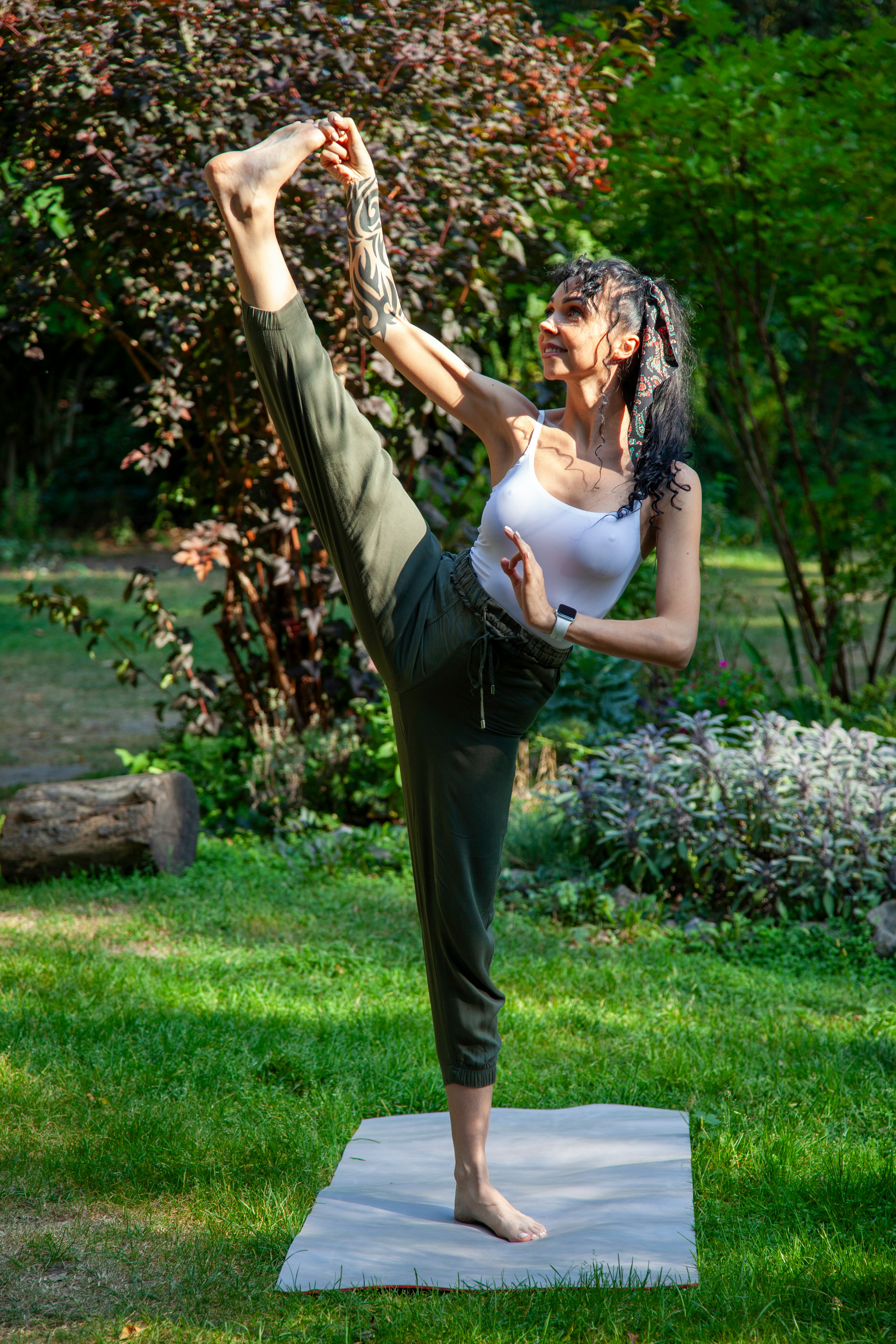
A typical day in a breathwork training balances active technique, theoretical study, and practical teaching experience. Mornings usually open with grounding meditation, pranayama, or dynamic movement to awaken the body and prepare the lungs. Lectures cover respiratory mechanics, subtle body anatomy, sound therapy, and the ethics of holding space.
Afternoons are often dedicated to paired facilitation and peer teaching. You will take turns guiding breath sessions, practising vocal toning, offering conscious adjustments, and learning how to hold space when intense emotions arise. Because breathwork is inherently experiential, your own inner exploration is central to the curriculum. You will breathe deeply every day, moving through your own personal blocks so that your facilitation comes from direct experience rather than abstract theory.