Classical foundations and steady alignment
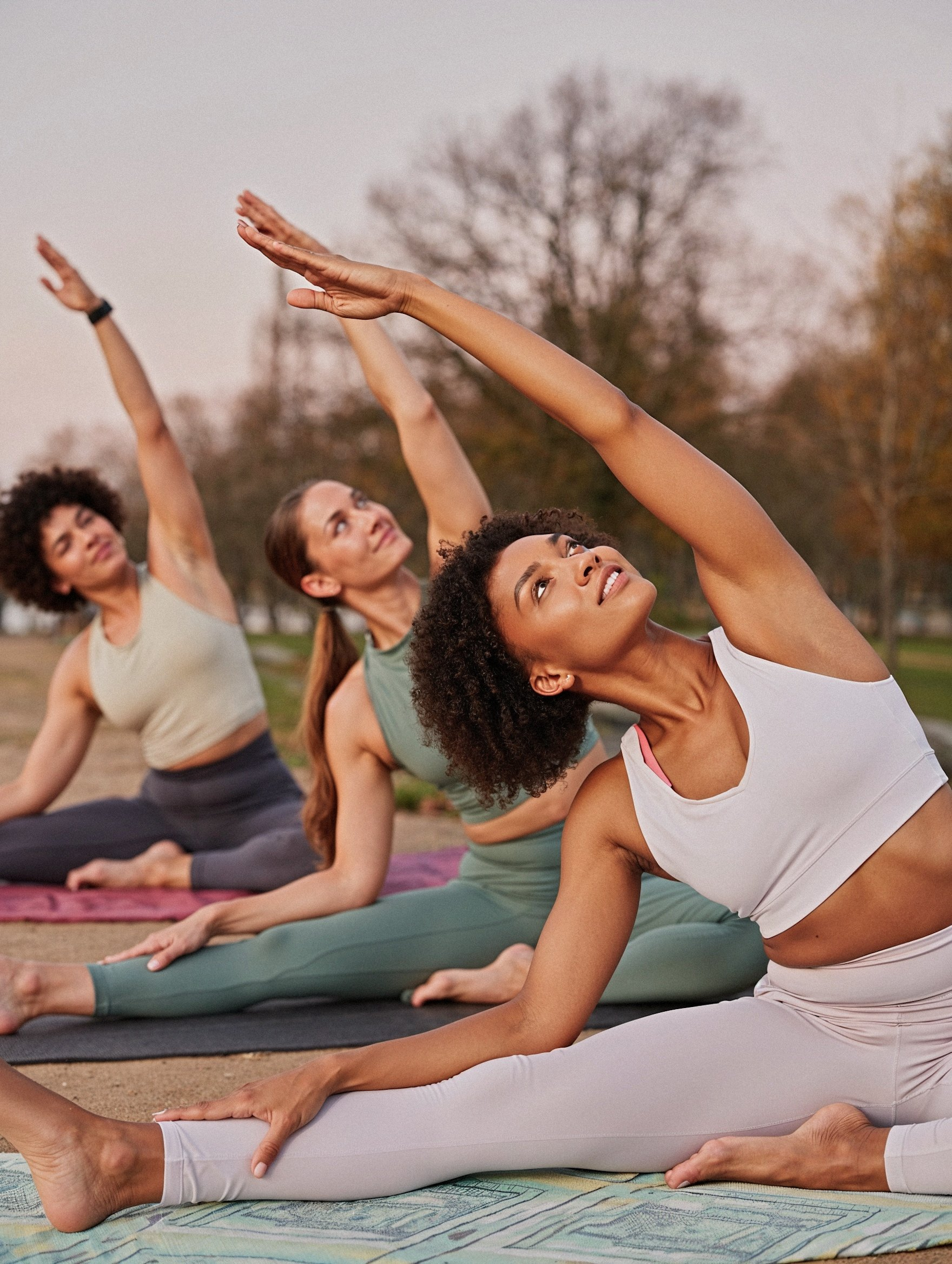
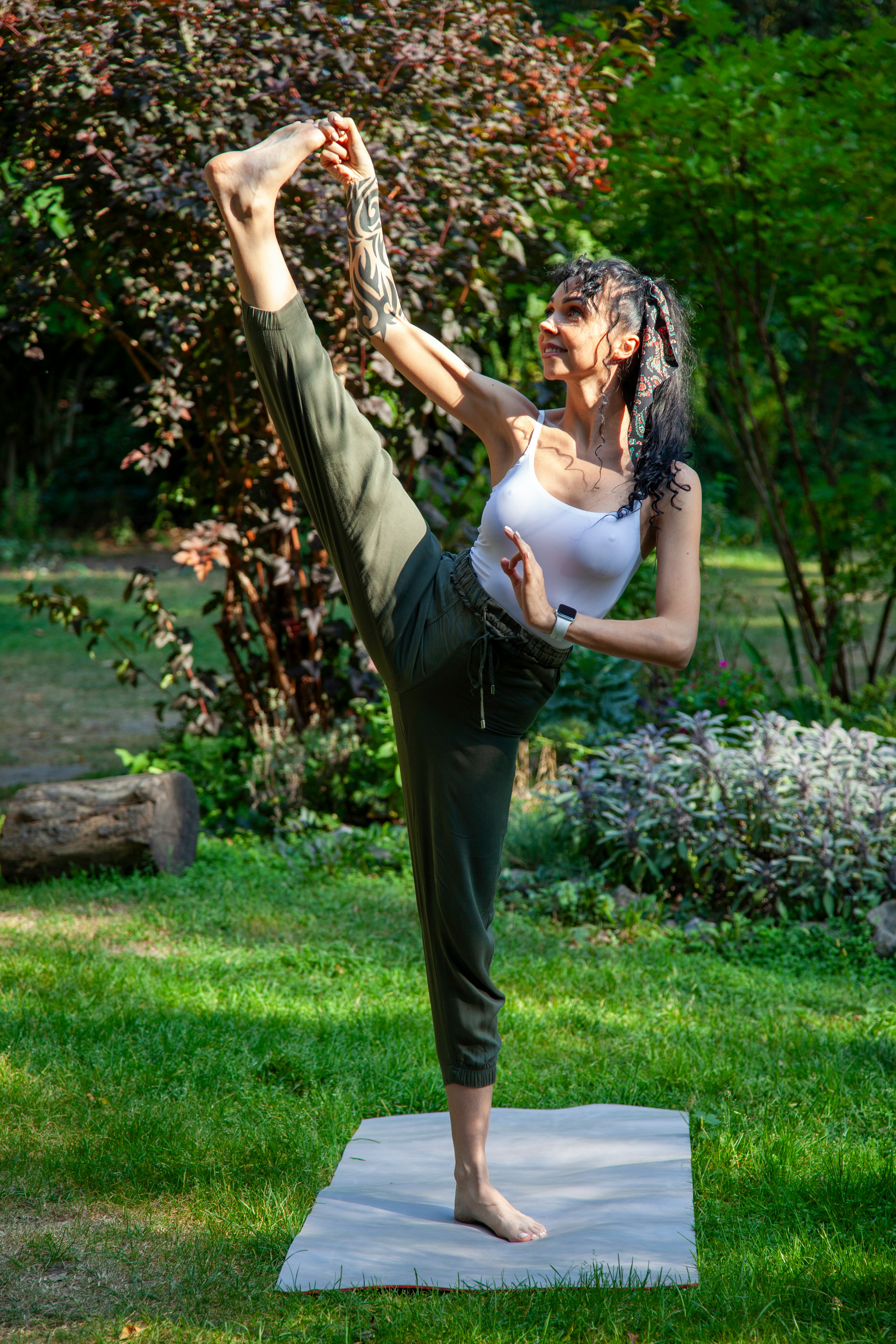
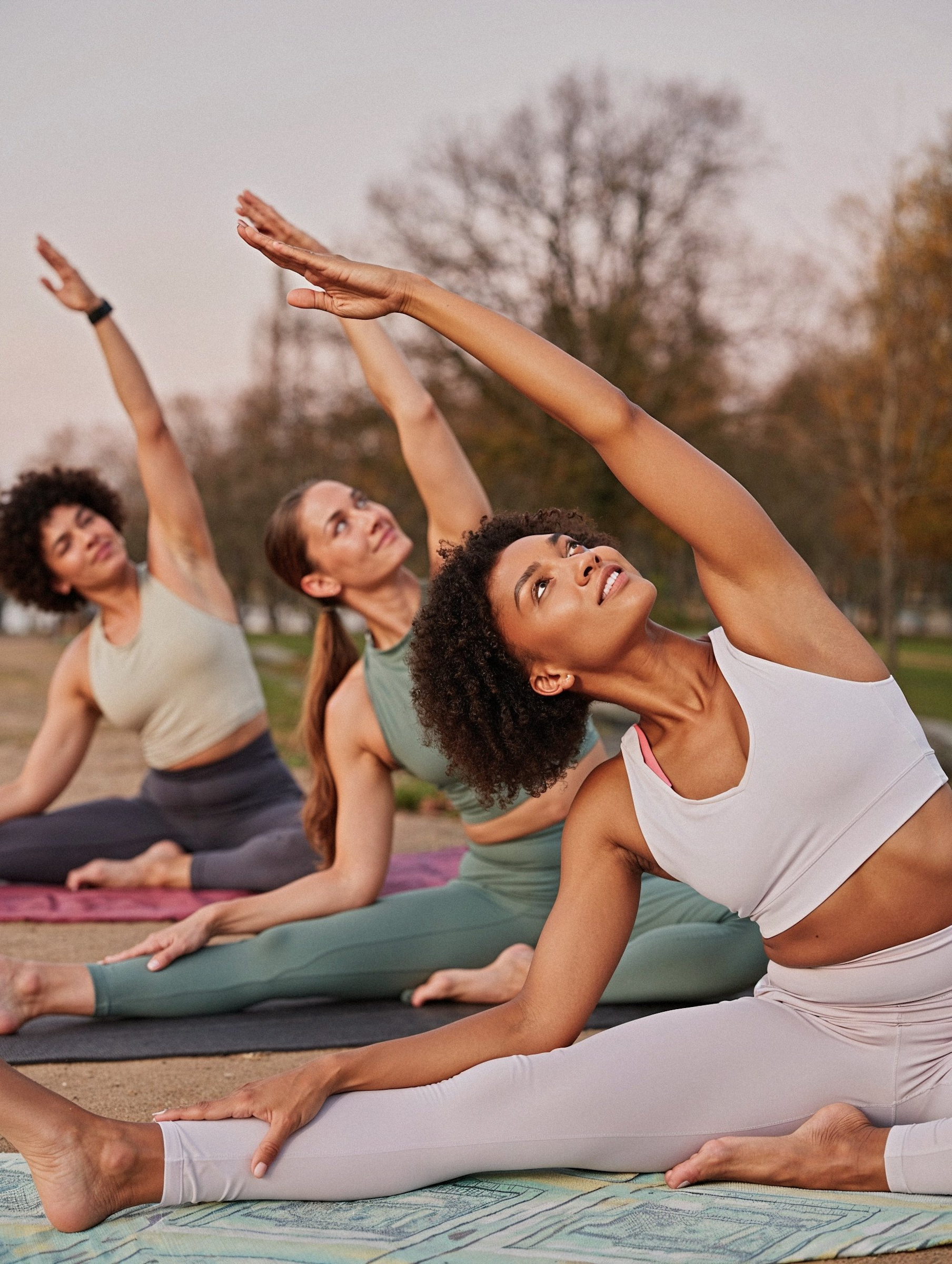
Hatha yoga remains the root of modern posture practice, prioritising steady holds, mindful transitions, and clear anatomical alignment over rapid pacing. Practising in Indonesia allows you to experience this tradition in open-air shalas surrounded by lush forest, coastal breezes, or quiet village gardens. Because poses are held for several breaths, you have the necessary time to notice where your body holds tension, how your weight distributes across your feet, and how your breath supports each shape.
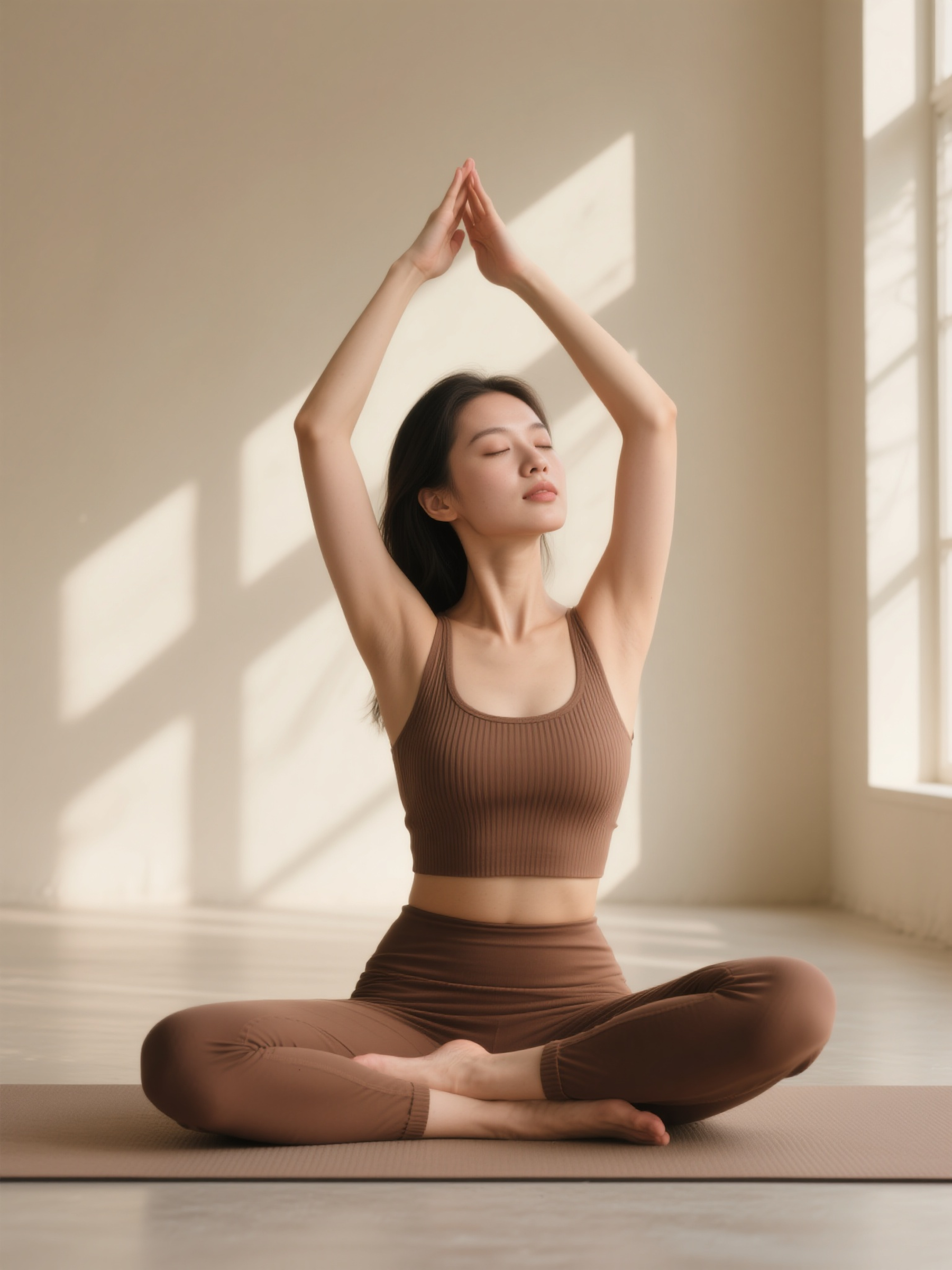
This deliberate approach makes the practice deeply grounding for both beginners and experienced practitioners. Rather than rushing between postures, teachers guide you through breathwork, joint mobility, and foundational standing and seated poses. The slower cadence creates space to understand the mechanics of each movement, giving you the tools to maintain a safe, sustainable home practice long after your journey ends.
Immersive retreats alongside local culture
Many hatha retreats across the Indonesian archipelago weave daily movement directly into the rhythms of local life. In rural villages and coastal sanctuaries, your morning postures might be followed by traditional Balinese water purification ceremonies, temple walks, or workshops in local cooking and craft. These itineraries offer a balanced blend of structured time on the mat and unhurried rest in nature.
Retreats range from short three-day respites to extended two-week wellness stays that combine hatha sessions with sound healing, herbalism, and regional bodywork. You might spend an early morning hiking Mount Batur before returning for restorative stretches, or pair gentle afternoon asana with guided meditation and spa treatments. The intention is never to push to exhaustion, but to allow your nervous system to settle into a slower, more natural cadence.
Structured teacher trainings from foundation to advanced
For those called to understand the mechanics and philosophy of yoga on a deeper level, Indonesia hosts numerous comprehensive training courses. You will find foundational 200-hour programmes spanning ten to twenty-nine residential days, as well as hybrid formats that combine flexible online modules with focused practical study onsite. Advanced students with existing credentials can also undertake 300-hour multi-style trainings to refine their sequencing and anatomical knowledge.
These intensives cover functional movement, subtle energy anatomy, philosophy, and practical teaching methodology from the opening days. Training in an immersive environment allows you to step away from daily obligations and fully absorb the principles of posture breakdown, alignment adjustments, and voice projection. You leave not only with a recognised qualification, but with the practical confidence to lead safe, grounded classes for others.
How to prepare for your practice
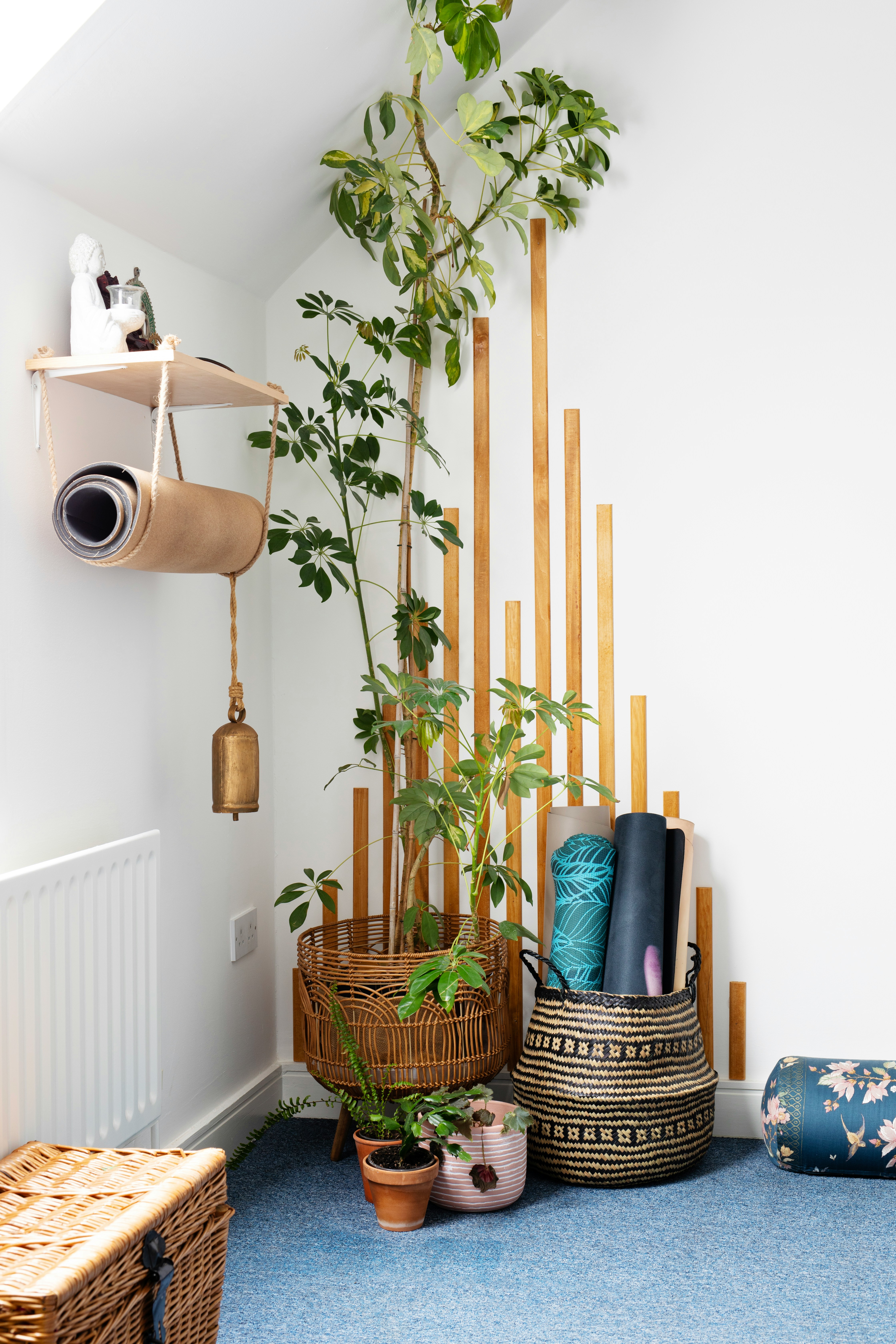
Preparing for an extended yoga experience in a tropical climate requires simple, thoughtful planning. Most retreat centres and training shalas provide mats, props, and organic vegetarian or vegan meals, leaving you free to pack light with breathable, natural-fibre clothing suitable for warm days and cooler highland mornings. Staying hydrated is essential, particularly when combining daily physical practice with outdoor excursions, waterfall visits, or hiking.
Take time to consider whether your focus is restorative rest, cultural immersion, or rigorous professional study. If you seek deep recovery, look for schedules that balance morning hatha with spa therapies and unstructured quiet time. If your goal is certification, ensure you arrive well-rested and open to intensive daily study, practice teaching, and community living. Approaching your time with patience and curiosity ensures you get the most from every session.
 Hatha in Indonesia