Choosing your certification level
If you are stepping into teaching for the first time, a 200-Hour Yoga Teacher Training provides the comprehensive groundwork recognised worldwide. These foundational programmes cover the essentials: daily posture practice across Hatha, Ashtanga, or Vinyasa, alongside functional anatomy, sequencing logic, history, and teaching methodology. You will find intensive residential options spanning several weeks, as well as hybrid courses that combine self-paced online modules with shorter intensive onsite stays.
For teachers who already hold an initial certificate, advanced 300-Hour trainings offer a pathway toward RYT-500 status. These programmes delve into subtle body energetics, therapeutic adjustments, multi-style teaching, and nuanced sequencing. Shorter 30-Hour, 50-Hour, and 100-Hour modular courses also exist for those seeking focused continuing education in Yin, aerial hammock work, or yoga therapy without committing to a full-length immersion.
Exploring styles and complementary disciplines
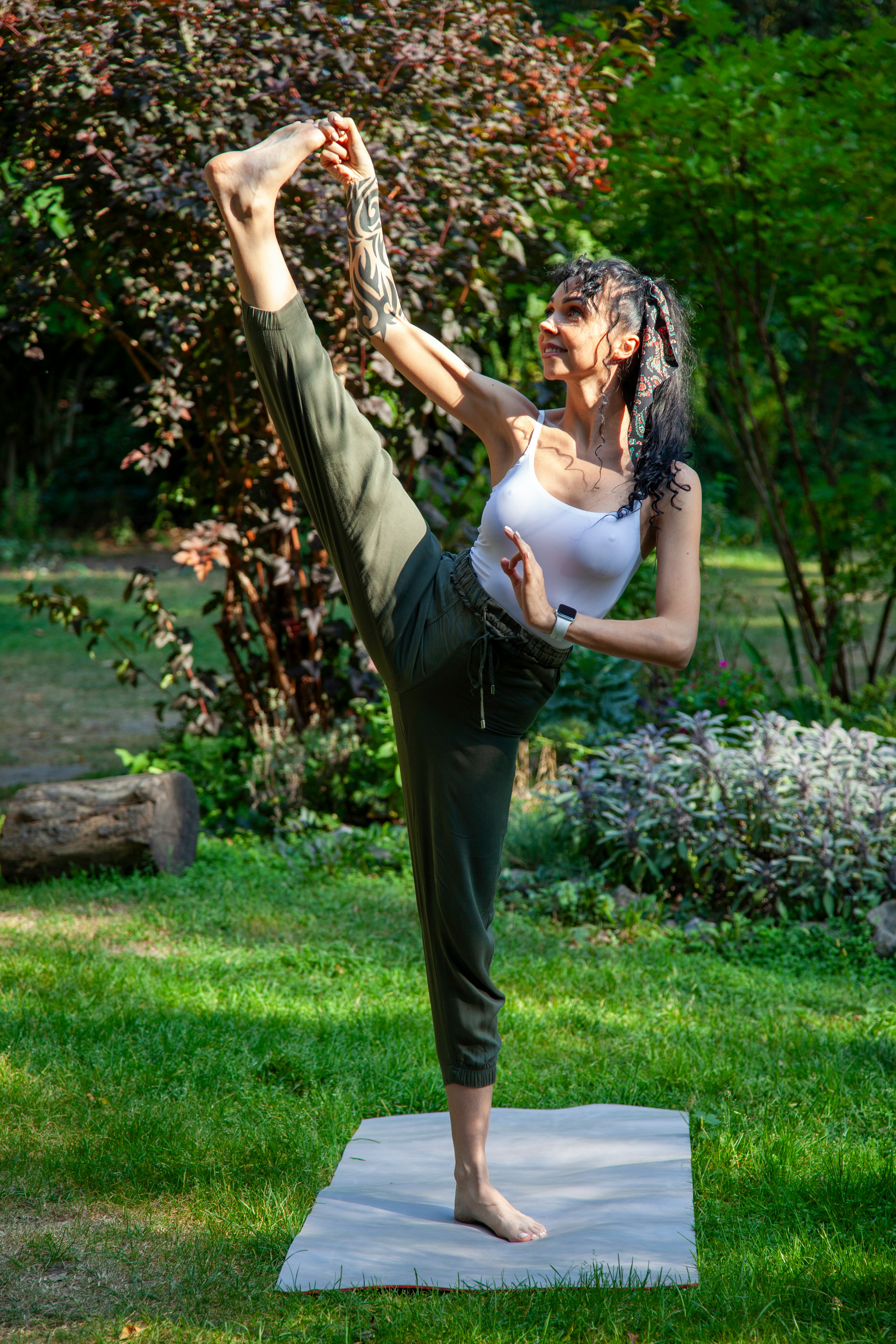
Teacher trainings across the continent span a wide spectrum of traditions and complementary healing arts. Classical multi-style programmes root their teachings in Hatha, Iyengar alignment, and Ashtanga foundations, giving you a strong technical base in posture, adjustments, and philosophy. Dynamic Vinyasa trainings emphasise fluid sequencing, breath synchronisation, and vocal cueing, preparing you to lead fluid, accessible classes.
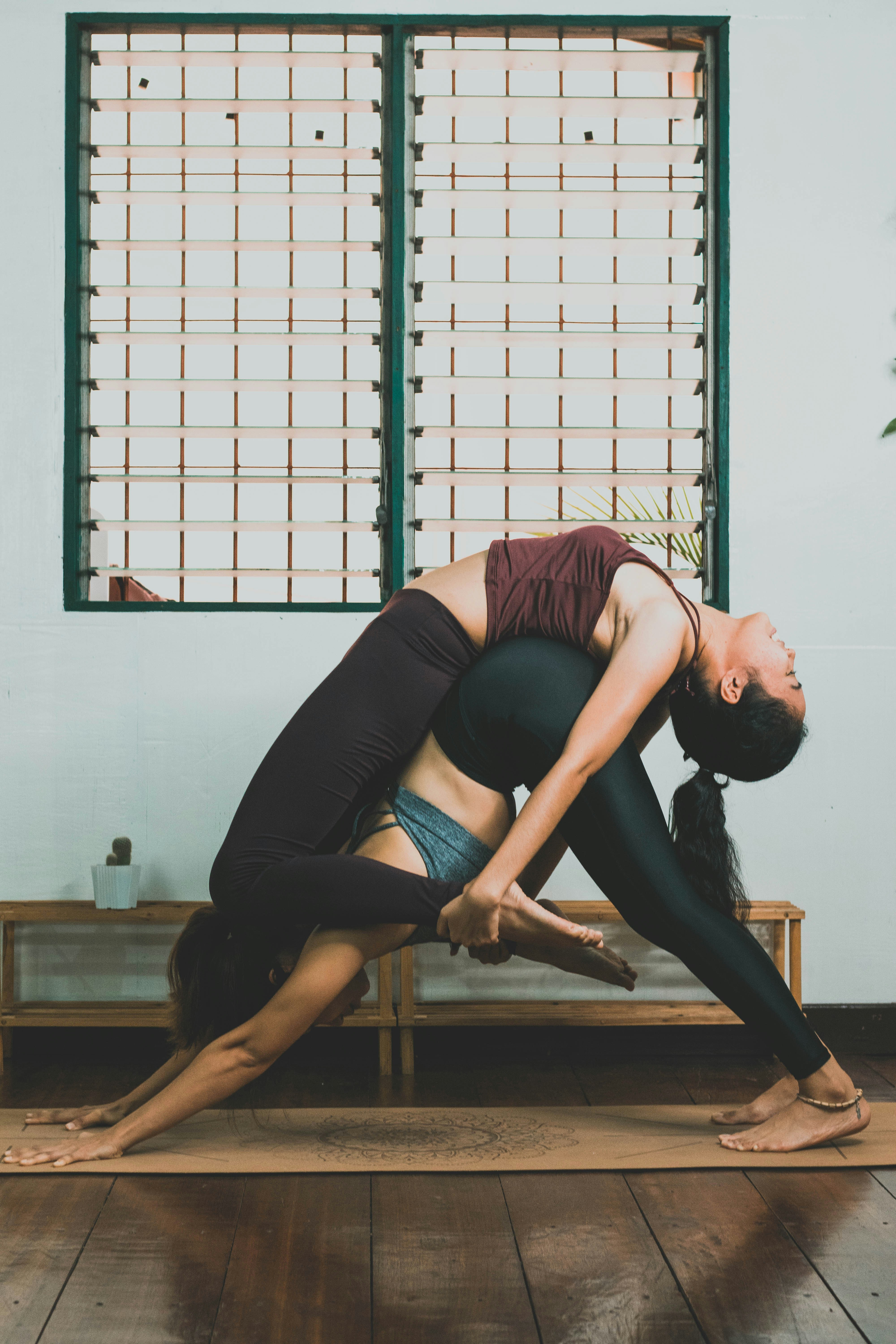
Alongside classical asana, many Asian trainings weave specialised modalities into their curricula. You can explore Yin yoga paired with Chinese meridian theory, sound healing, or breathwork, learning how to hold space for stillness and nervous system regulation. Other schools integrate aerial yoga hammocks, somatic release, trauma-informed principles, or traditional ceremony into the daily schedule. This breadth allows you to tailor your studies toward the specific ways you wish to guide future students.
The rhythm of residential study
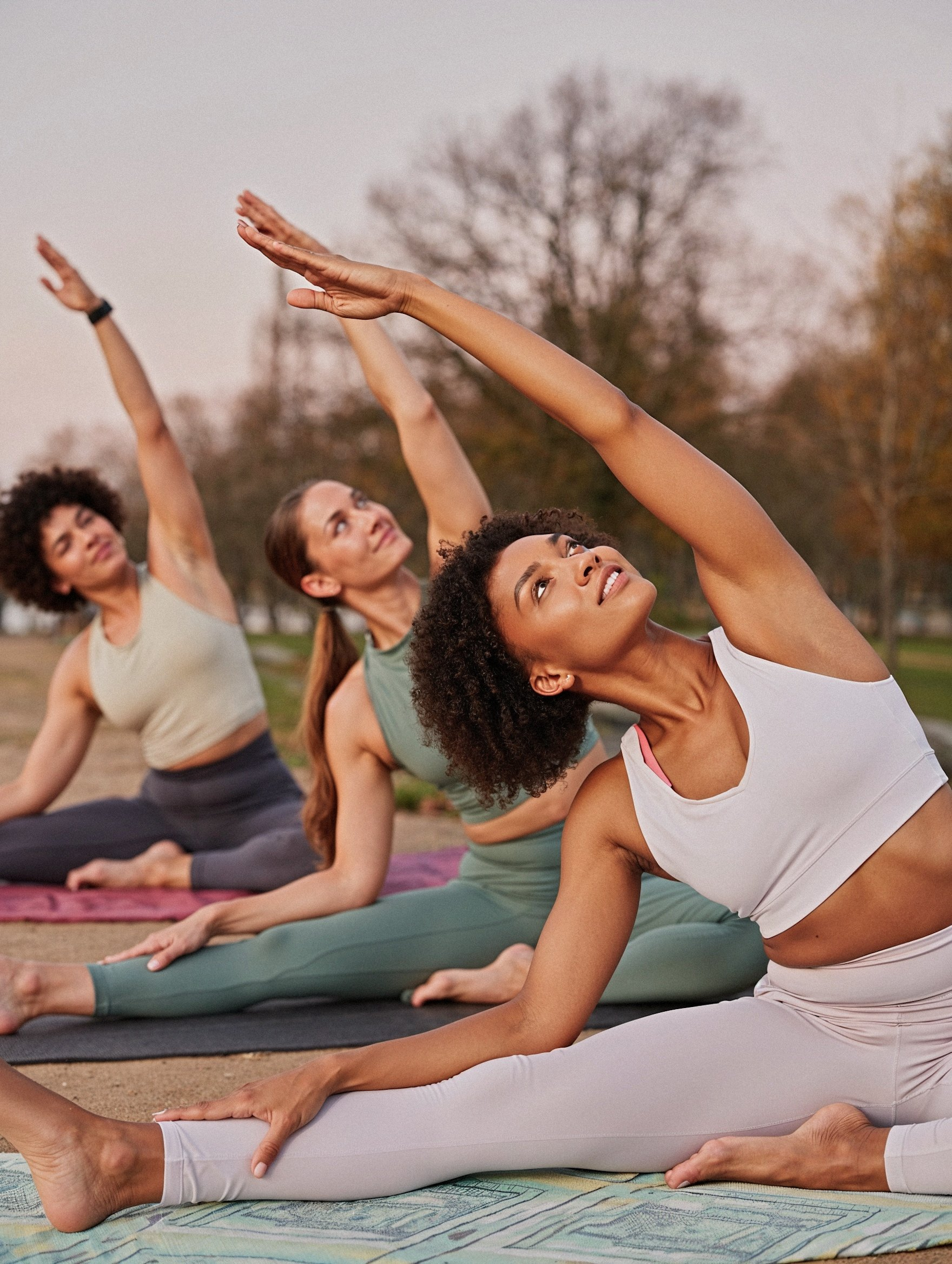
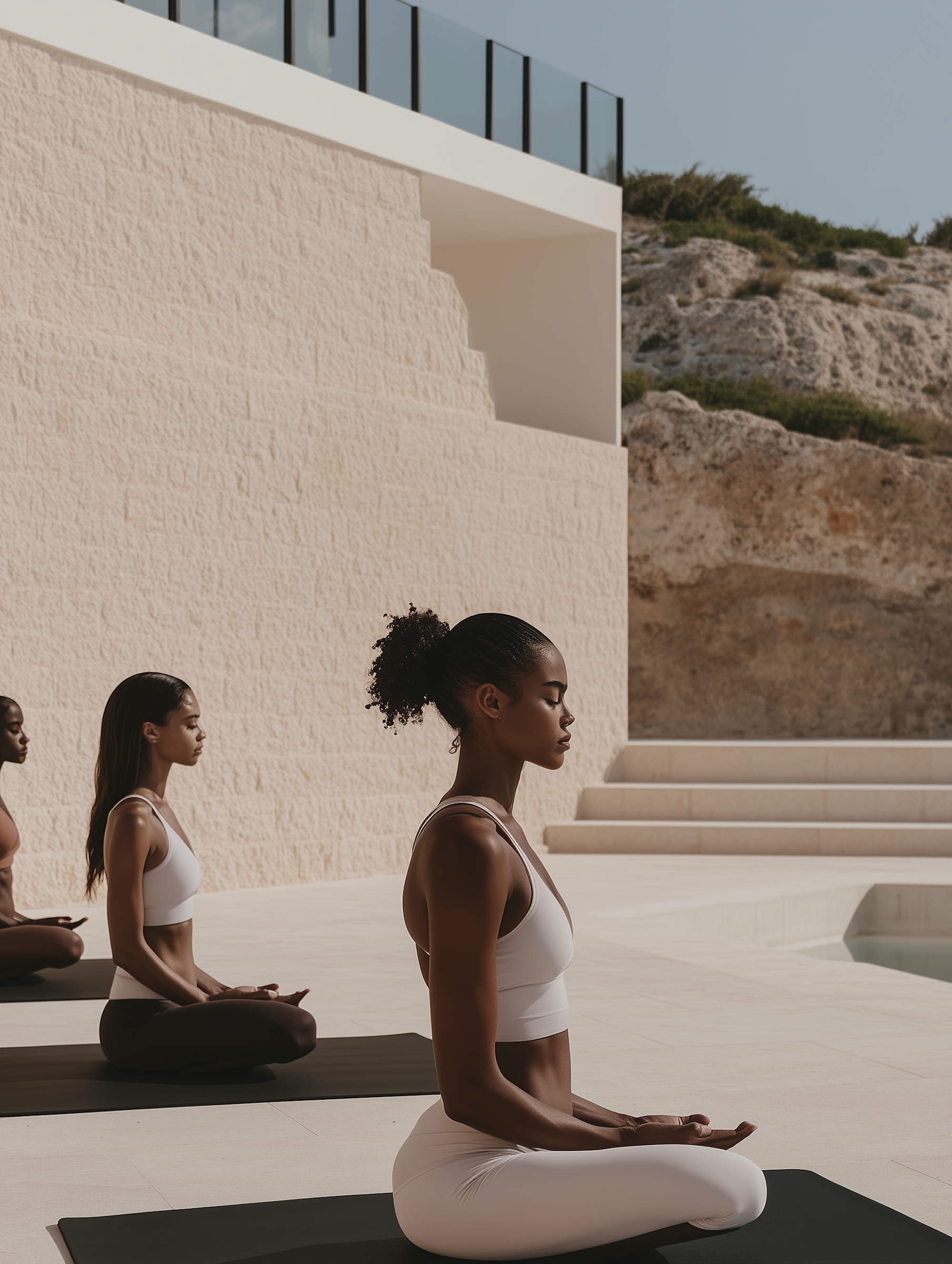
Committing to an immersive residential training creates a structured, supportive rhythm that fosters deep focus. Days typically begin at sunrise in open-air shalas, starting with silent meditation, pranayama, and an energising physical practice before moving into breakfast and morning anatomy or alignment lectures.
Afternoons are generally devoted to teaching methodology, where you practice hands-on assists, explore intelligent sequencing, and teach fellow trainees in small groups. Evening sessions often slow down with restorative practices, Yoga Nidra, philosophy discussions, or community kirtan. Venues are designed to support your wellbeing throughout the intensive physical and mental work, offering nourishing vegetarian meals, garden spaces, swimming pools, and quiet spots for self-study and reflection.
Finding the right training for your journey
Selecting the right course comes down to your experience level, available time, and personal intentions. If your goal is to teach professionally, check that the syllabus meets Yoga Alliance standards for accreditation. Consider whether you thrive in a fully immersive residential setting over several weeks or prefer a hybrid format that lets you complete theory at home before joining practical intensives on location.
Think also about the setting that best supports your focus. Some practitioners thrive in vibrant coastal surf towns where ocean breezes cool the shala, while others find focus in peaceful inland villages bordered by tropical forest and terraced greenery. Take time to look through the daily schedules, venue amenities, and student requirements to ensure the pace, lineage, and physical environment match your needs.