Yin
Yin yoga asks you to slow down, settle onto the floor, and remain with physical sensations over long, unhurried holds. Rather than moving through rapid sequences, this quiet discipline targets deep connective tissues, fascia, and joints, giving both body and mind space to soften. Here, you will find immersive retreats and accredited teacher trainings designed around stillness, restorative exploration, and mindful awareness. Whether you wish to deepen your personal practice or study functional anatomy and subtle meridian pathways, these experiences offer dedicated time to pause, listen, and unwind.
The depth behind long holds
Dynamic yoga styles build heat through continuous movement, but yin takes the opposite path. Postures are seated or reclined, supported by gravity and held for several minutes at a time. This steady, passive tension stimulates the deeper fascial networks and joints that active movement often bypasses.
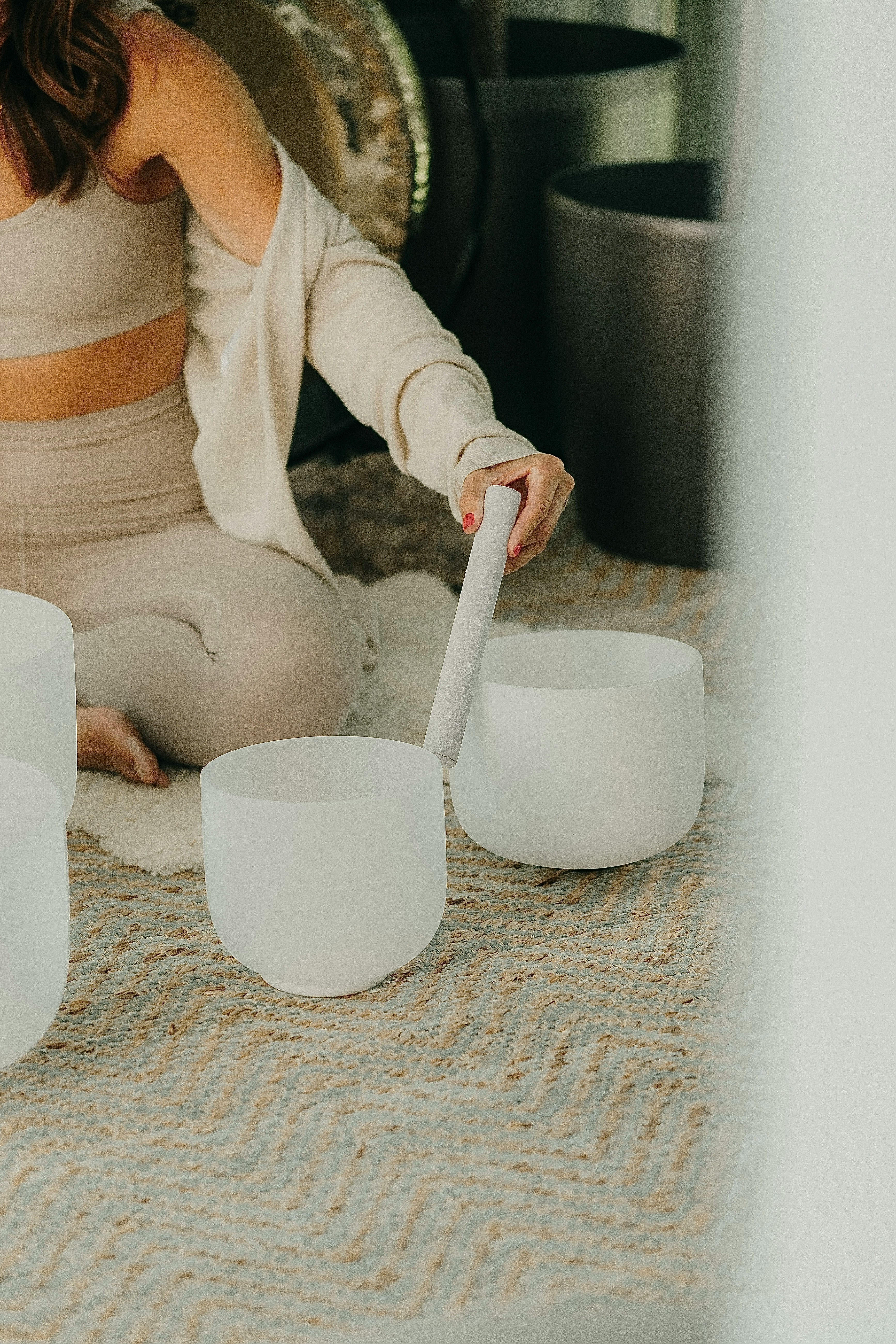
At the same time, maintaining stillness creates an internal space where subtle physical and emotional patterns surface. You learn to work with your breath, notice edge sensations without straining, and release habitual tension. Many offerings pair yin with complementary practices such as yoga nidra, sound baths, breathwork, and myofascial release, allowing the nervous system to shift fully into restorative rest.
Choosing between retreats and teacher trainings
The experiences gathered here span personal immersion and formal study. A restorative retreat provides an unhurried sanctuary to reset, combining gentle daily sessions with cultural workshops, sound journeys, or quiet time among natural surroundings. Some retreats even focus on private, one-to-one emotional healing and guided reflection.
If your aim is to understand the mechanics and philosophy of stillness, several teacher trainings offer comprehensive certification. You can explore focused 50-hour and 100-hour short courses covering yin methodology, meridian theory, and sound integration, or complete 200-hour and 300-hour foundational programmes that balance multi-style asana with functional anatomy and teaching practice.
What to expect in a dedicated yin space
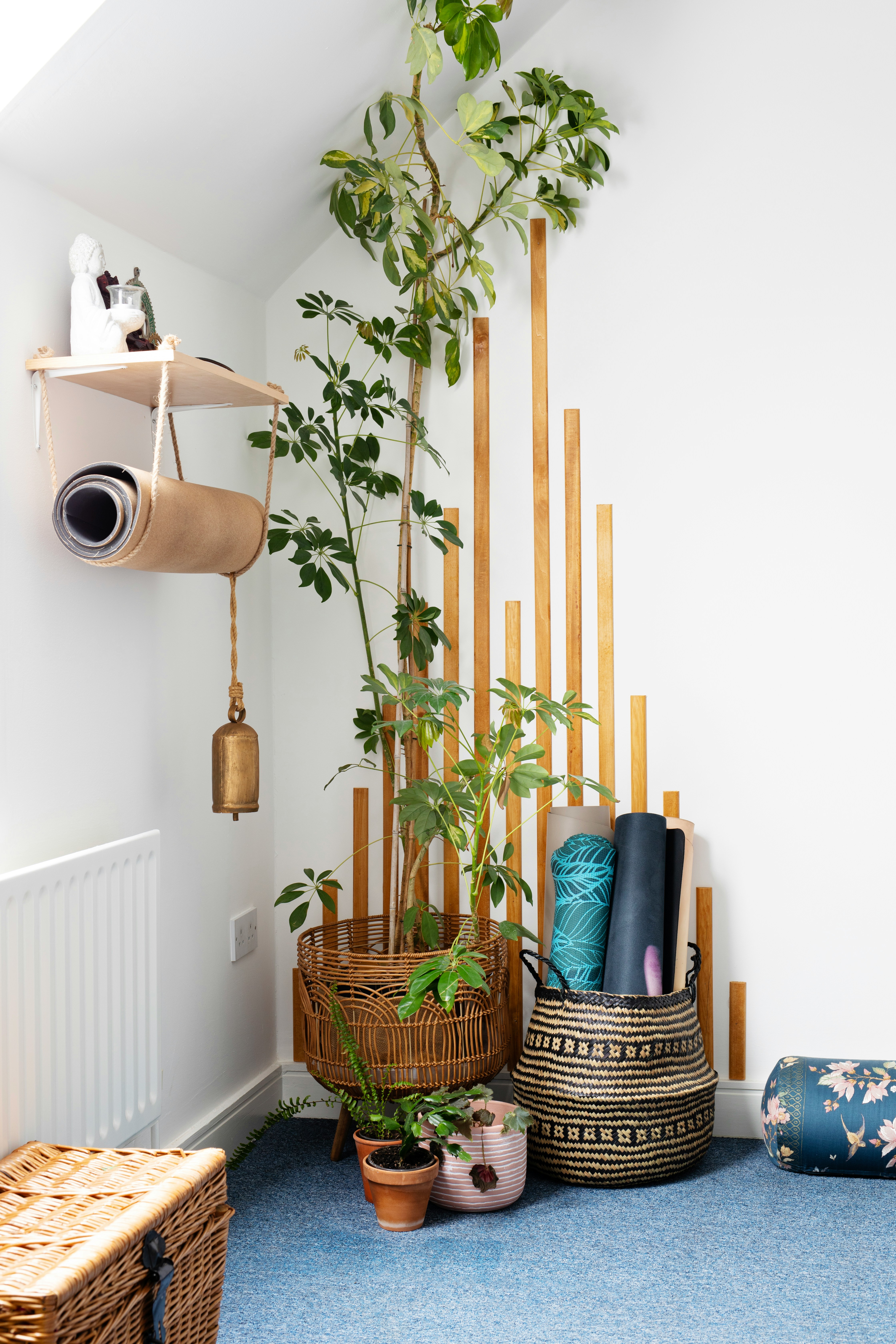
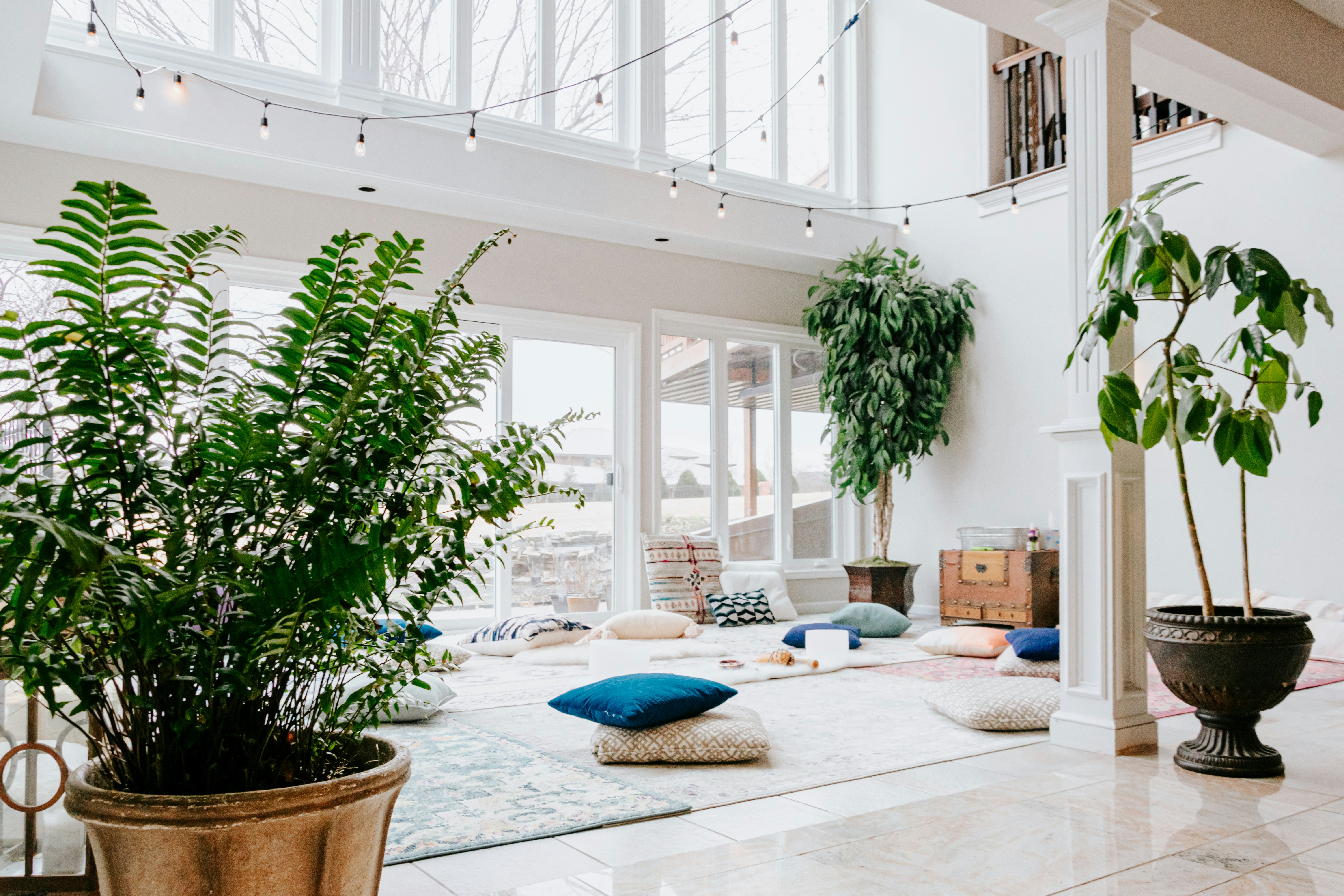
Practising yin is an inherently receptive experience. Sessions typically take place in peaceful shalas or intimate garden studios equipped with bolsters, blocks, and blankets to support your alignment and allow muscles to disengage completely.
Because long holds cool the body down, comfortable layers are essential. Instructors guide you to find an appropriate depth in each shape rather than forcing an aesthetic posture, encouraging you to honour physical boundaries. Whether you join a residential group programme with shared plant-based meals or attend a hybrid course combining onsite practice with self-paced study modules, you can expect an unhurried pace that values presence over performance.