A spectrum from subtle pranayama to dynamic release
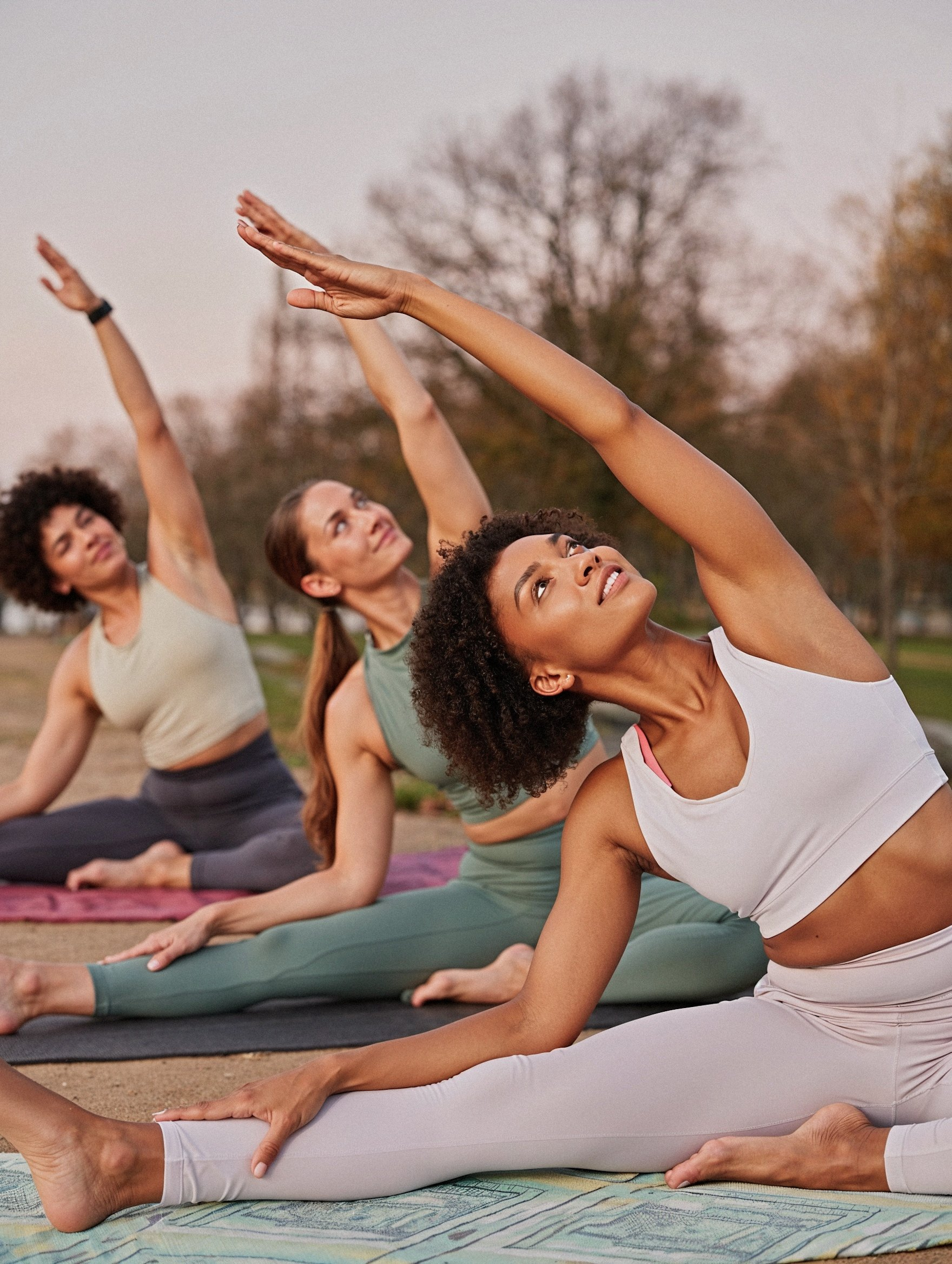
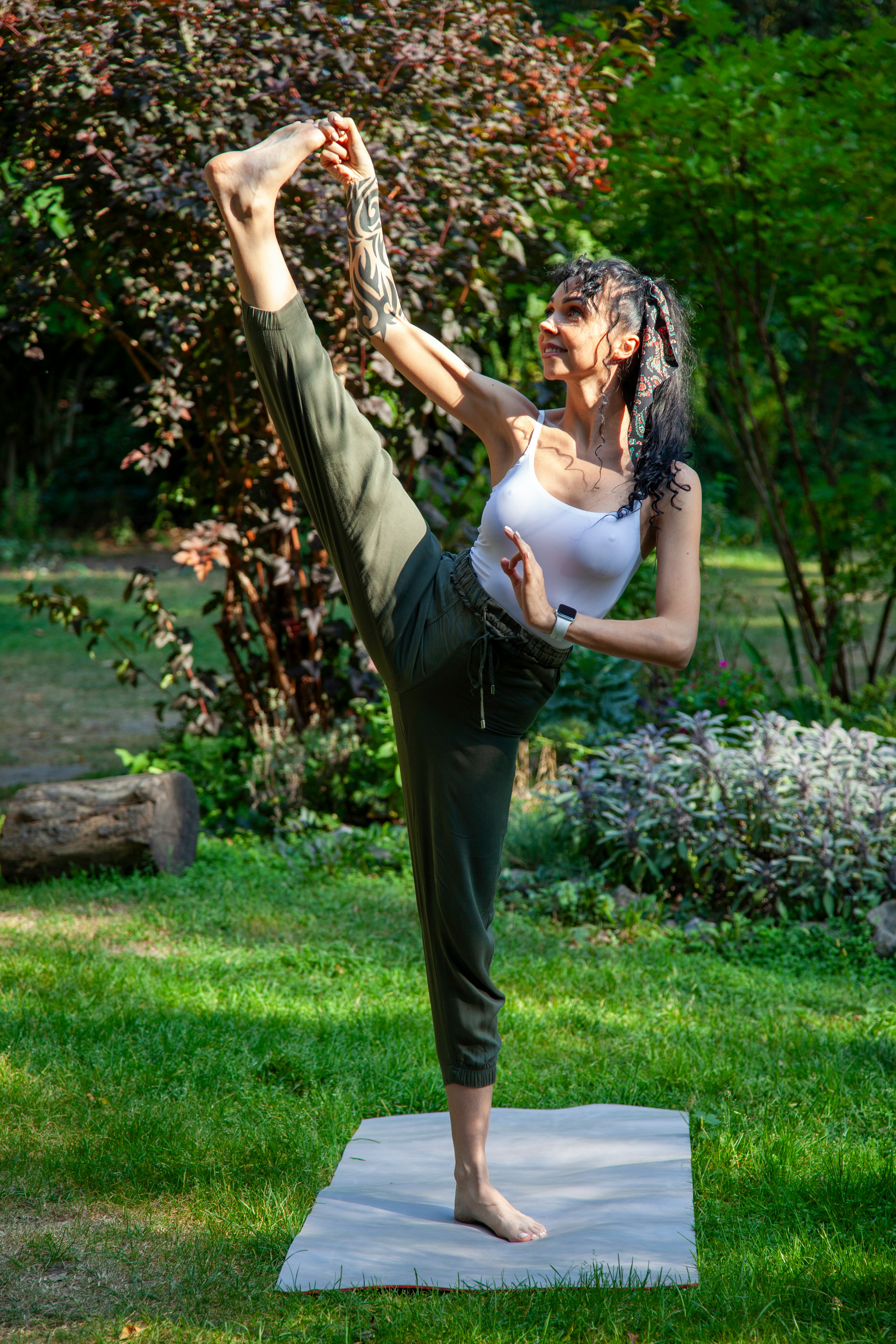
Breathwork is not a single modality but a broad spectrum of techniques that affect the body in distinctly different ways. In Asia, traditional pranayama forms the bedrock of classical yoga, focusing on slow, measured air intake, breath retention, and alternate-nostril patterns that calm the nervous system and clear mental fog. These subtle practices cultivate deep presence and prepare the mind for stillness.
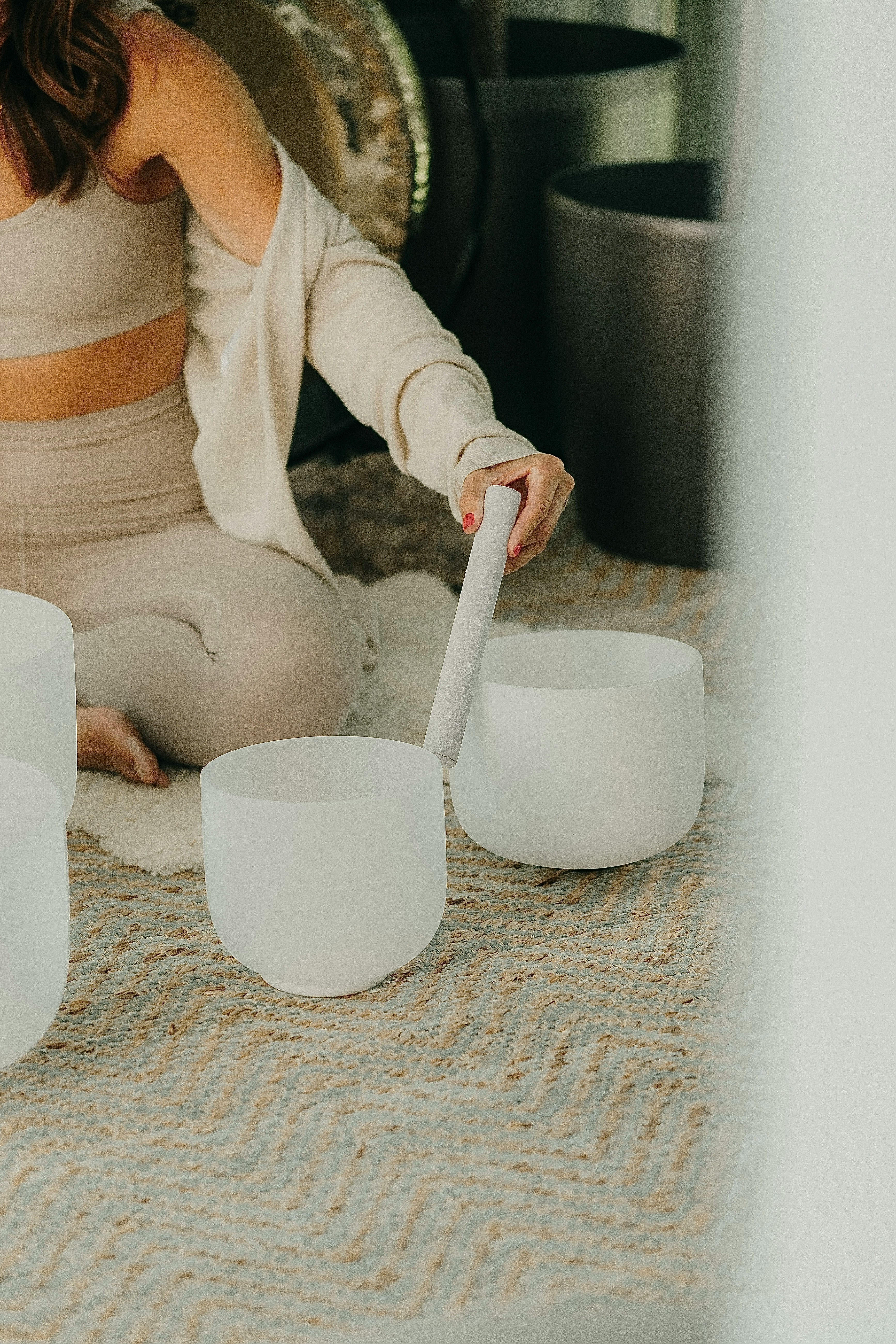
Alongside classical methods, modern breathwork encompasses dynamic techniques such as holotropic breathing, SOMA breath, and rebirthing. These styles use continuous, rhythmic breathing to alter conscious states, access deep-seated emotions, and discharge chronic stress stored within the somatic tissues. Many programmes pair these active sessions with cold water exposure or sound therapy to support nervous system flexibility, giving you practical tools to balance stimulation and deep relaxation.
Choosing between personal reset and teacher certification
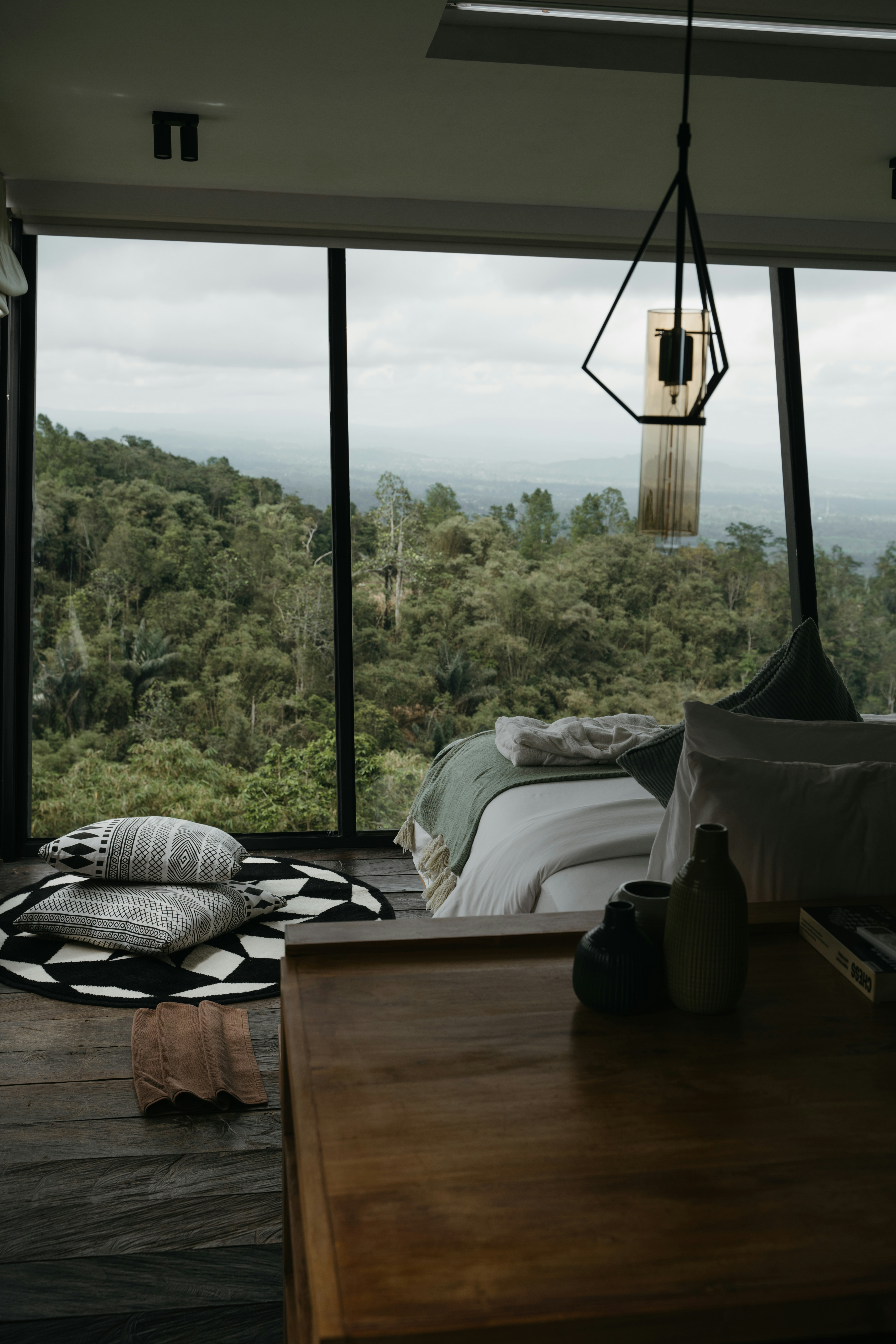
If your priority is self-care, somatic recovery, or emotional unwinding, a residential retreat provides the unhurried atmosphere you need. Retreat programmes often weave daily breath sessions into wider schedules that include gentle yoga, sound baths, fasting protocols, and cultural ceremonies. These immersions let you step out of routine responsibilities, giving your body the space to reset without the pressure of an academic curriculum.
For those called to lead, teacher training immersions deliver formal study in functional respiratory anatomy, contraindications, and facilitation skills. These intensive programmes range from concise fifty-hour certifications focusing on breathwork and yin practices to comprehensive multi-week credentials. You will explore conscious breathing mechanics, learn how to create safe containers for emotional release, and practise vocal guidance so you can facilitate individual sessions or group circles with clarity and grounding.
Nature, stillness, and somatic integration
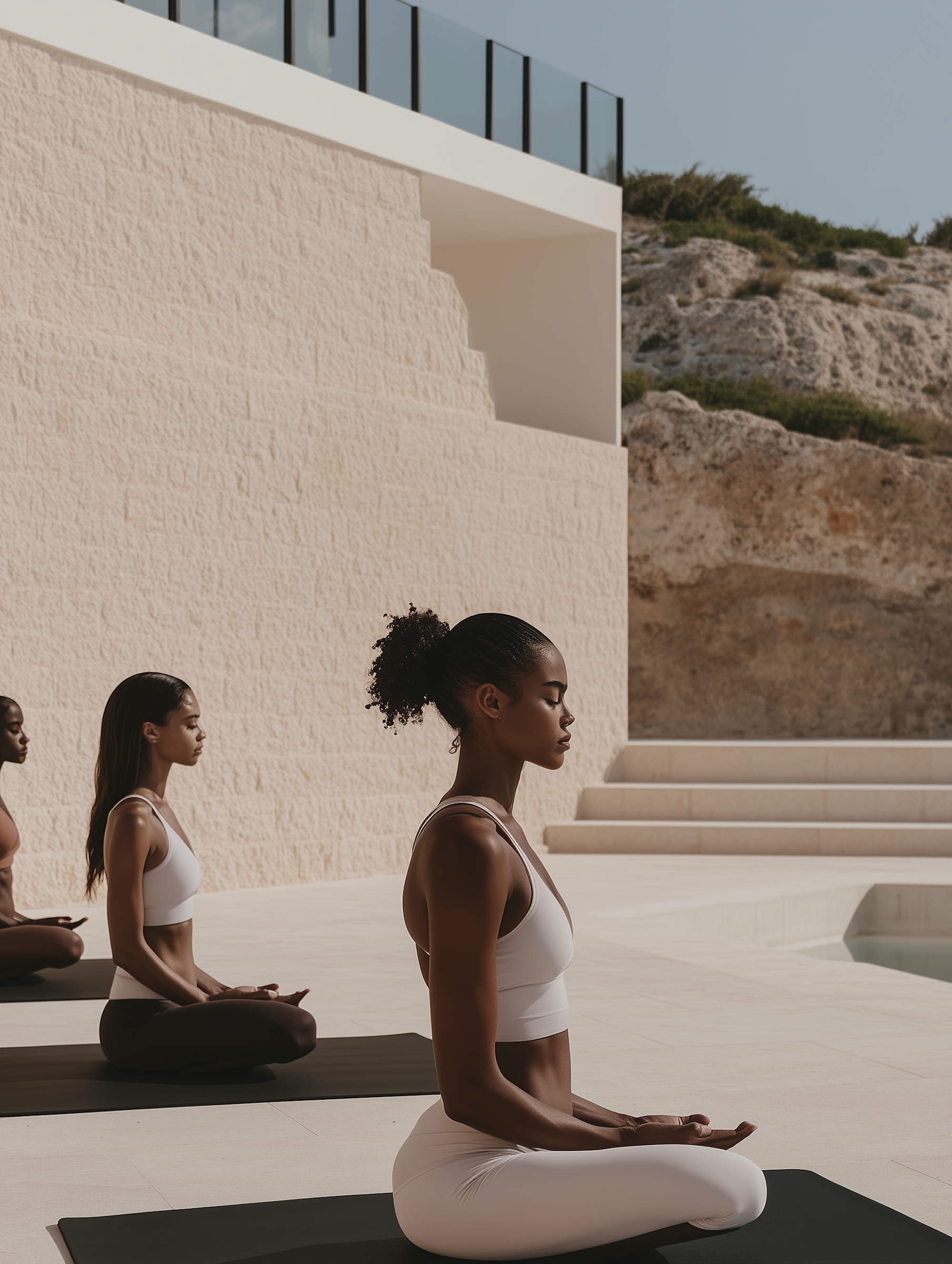
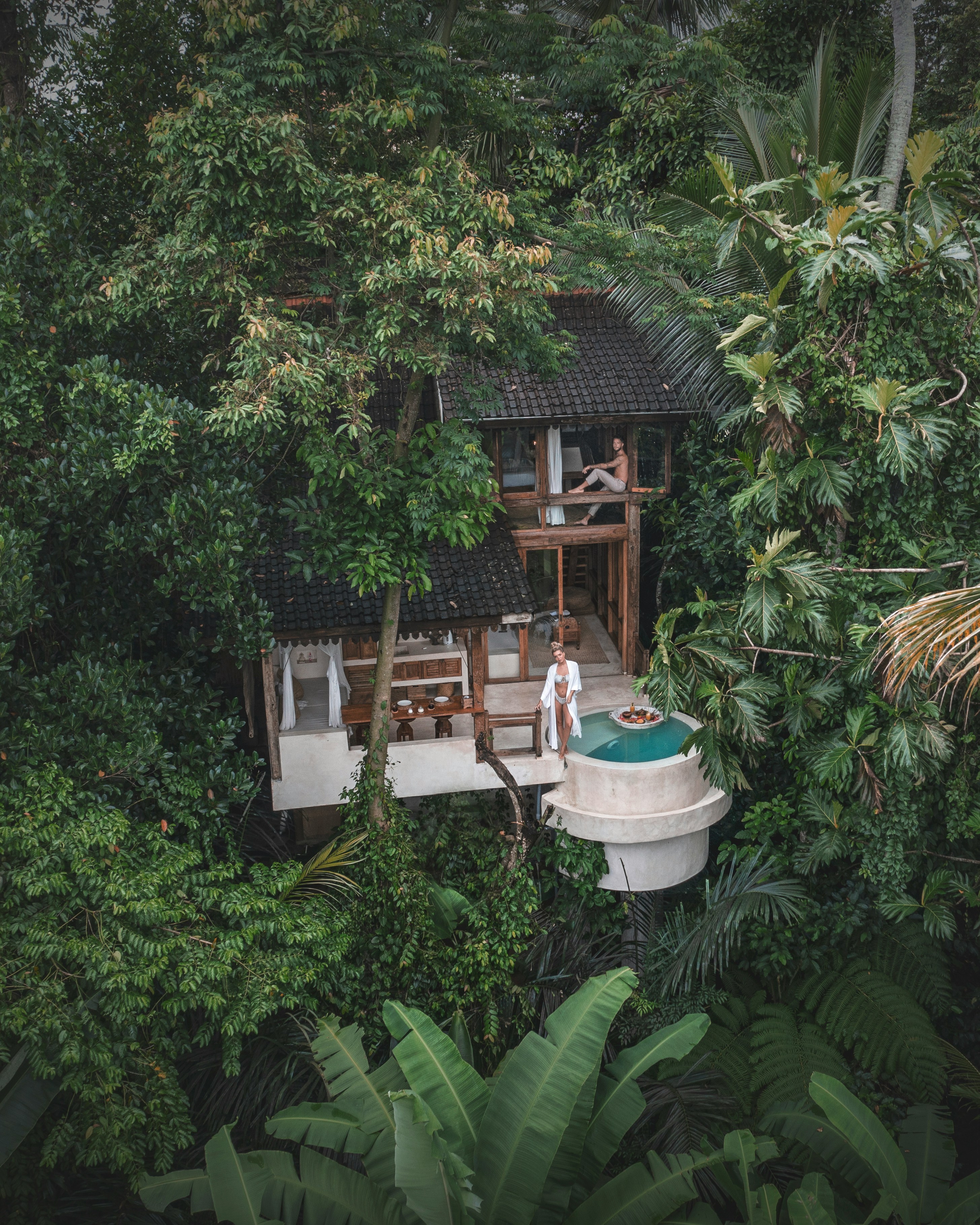
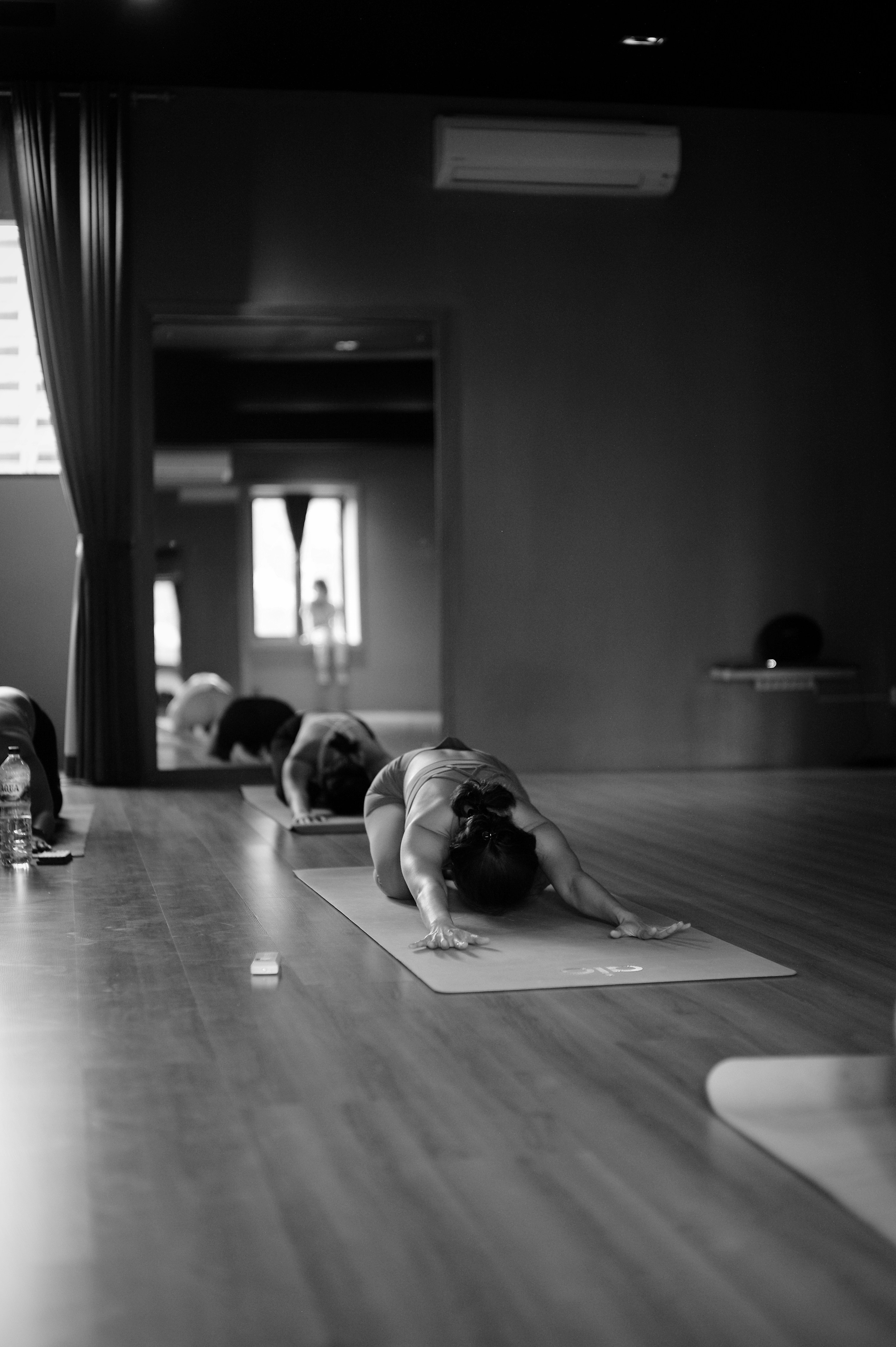
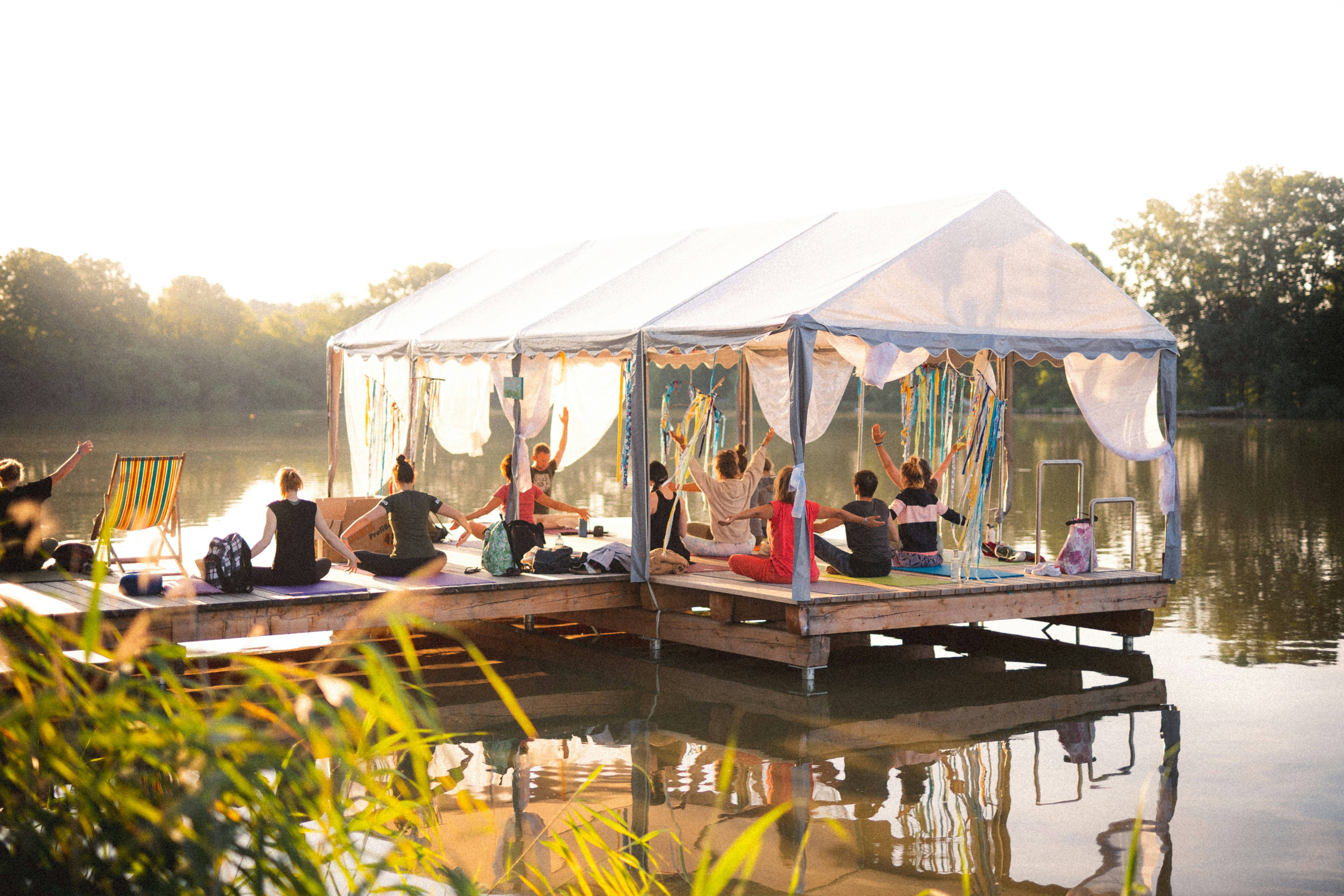
The physical context of your practice matters deeply when undertaking breathwork. In regions like Bali, practice spaces are often open-air pavilions built from bamboo and natural timber, surrounded by quiet rice fields, river valleys, or coastal waters. The natural airflow and rhythmic sounds of the environment create an unhurried atmosphere where the nervous system naturally begins to down-regulate before you even begin to breathe consciously.
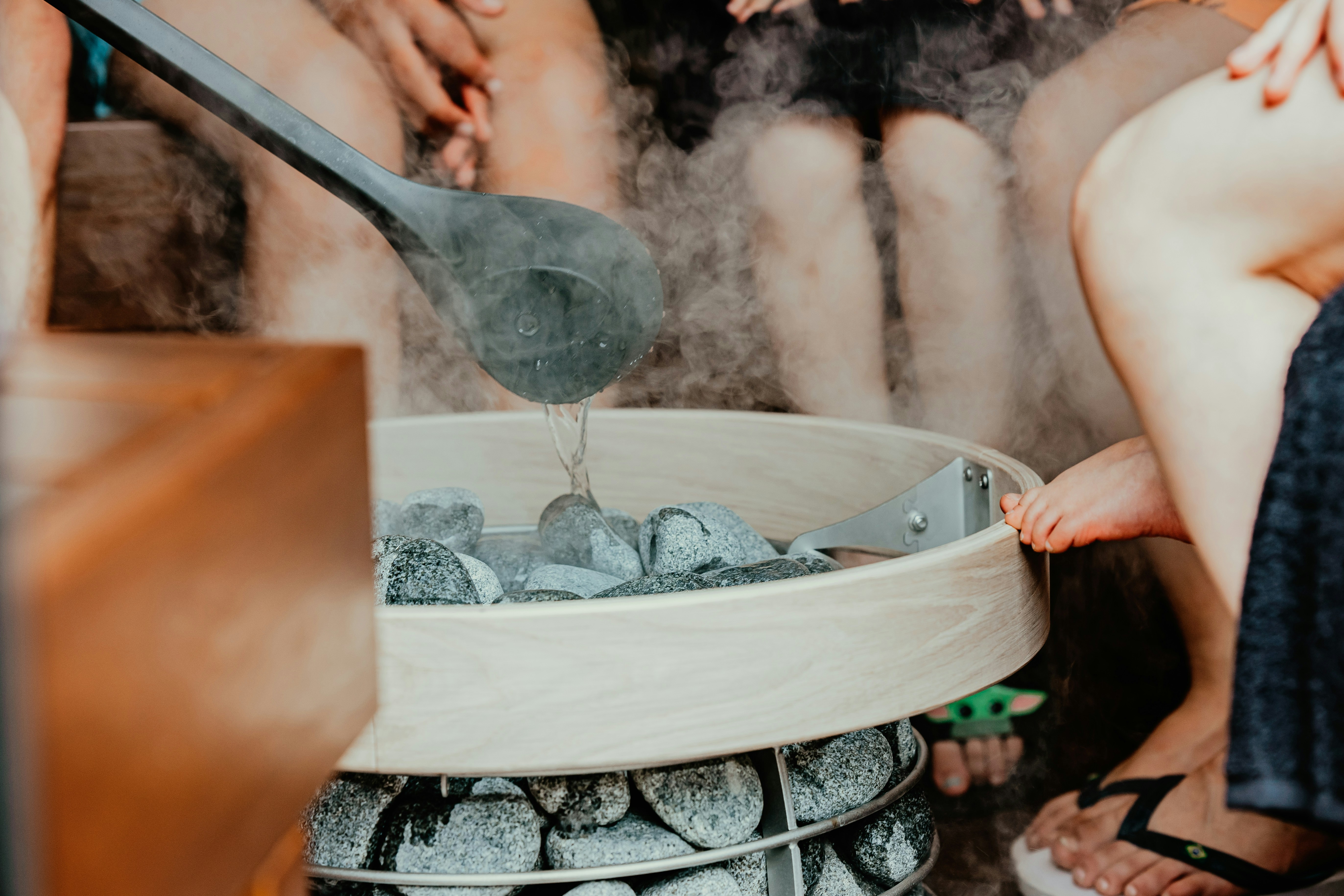
Integration is an essential part of breathwork, ensuring that the insights and physical releases experienced on the mat translate into enduring personal balance. Asian retreat settings support this process by incorporating complementary somatic therapies. Restorative movement, silent meditation, ice baths, and traditional herbal bodywork help ground the energetic shifts brought about by intense breathing. Sharing circles and quiet reflection time allow you to process emotional releases safely before returning to everyday life.
What to expect in a conscious breathing session
Arriving at a breathwork session requires minimal preparation, but knowing what to anticipate helps you relax into the experience. Facilitators typically recommend wearing loose, comfortable clothing and avoiding heavy meals for a couple of hours beforehand. Sessions usually begin with grounding exercises and clear guidance on the specific breathing pattern you will use, along with reassurance about the physical sensations that may arise, such as tingling in the fingers, temperature shifts, or spontaneous emotional release.
Throughout the session, teachers maintain a supportive, non-judgemental space, sometimes using evocative music, gentle vocal prompts, or grounding touch to assist your journey. Afterward, facilitators allocate generous time for rest, hydration, and quiet integration. You are encouraged to move at your own pace, adjusting the intensity of your breath whenever necessary, ensuring the practice remains safe, nurturing, and attuned to your body.