From dynamic flow to stillness
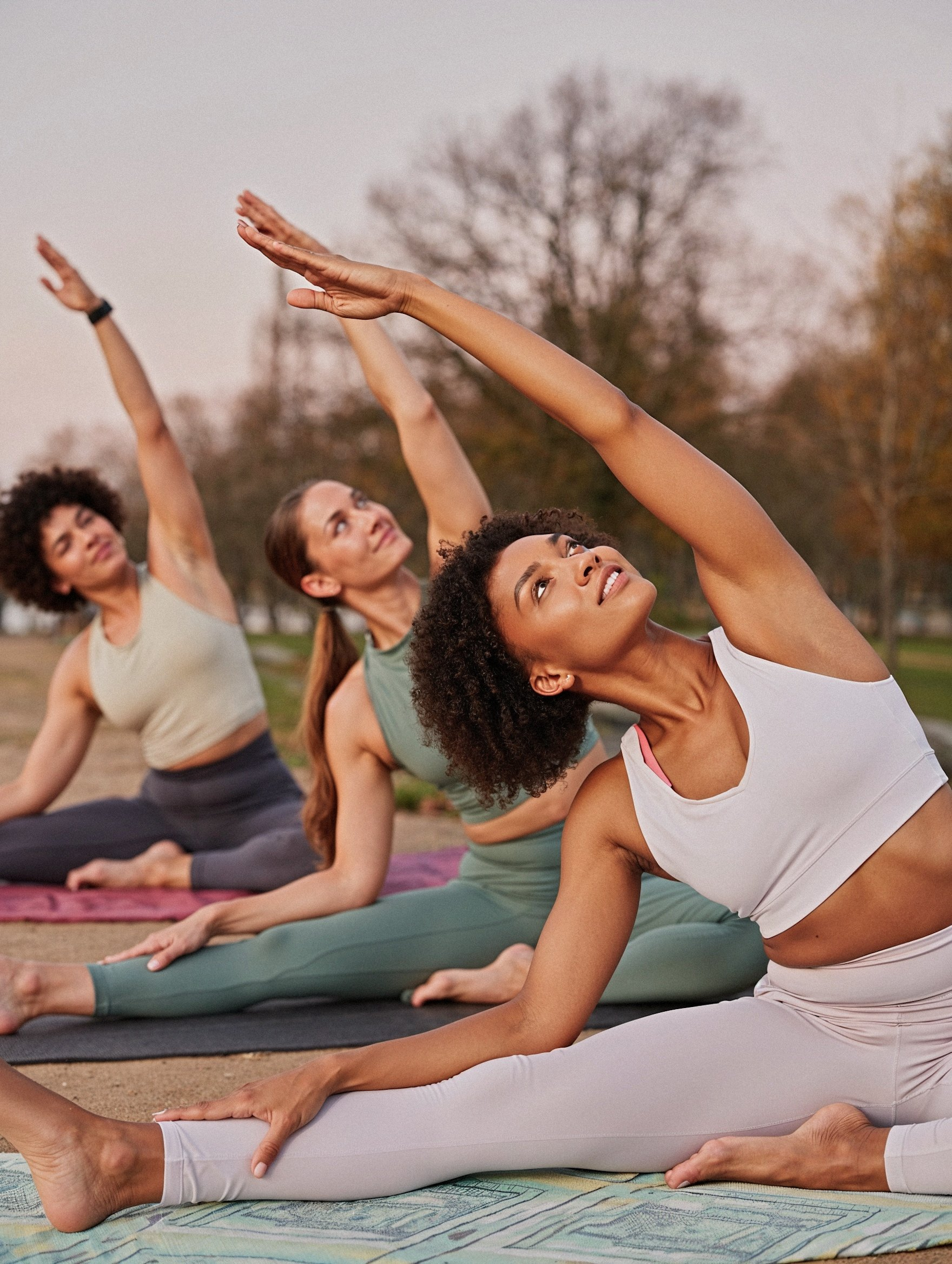
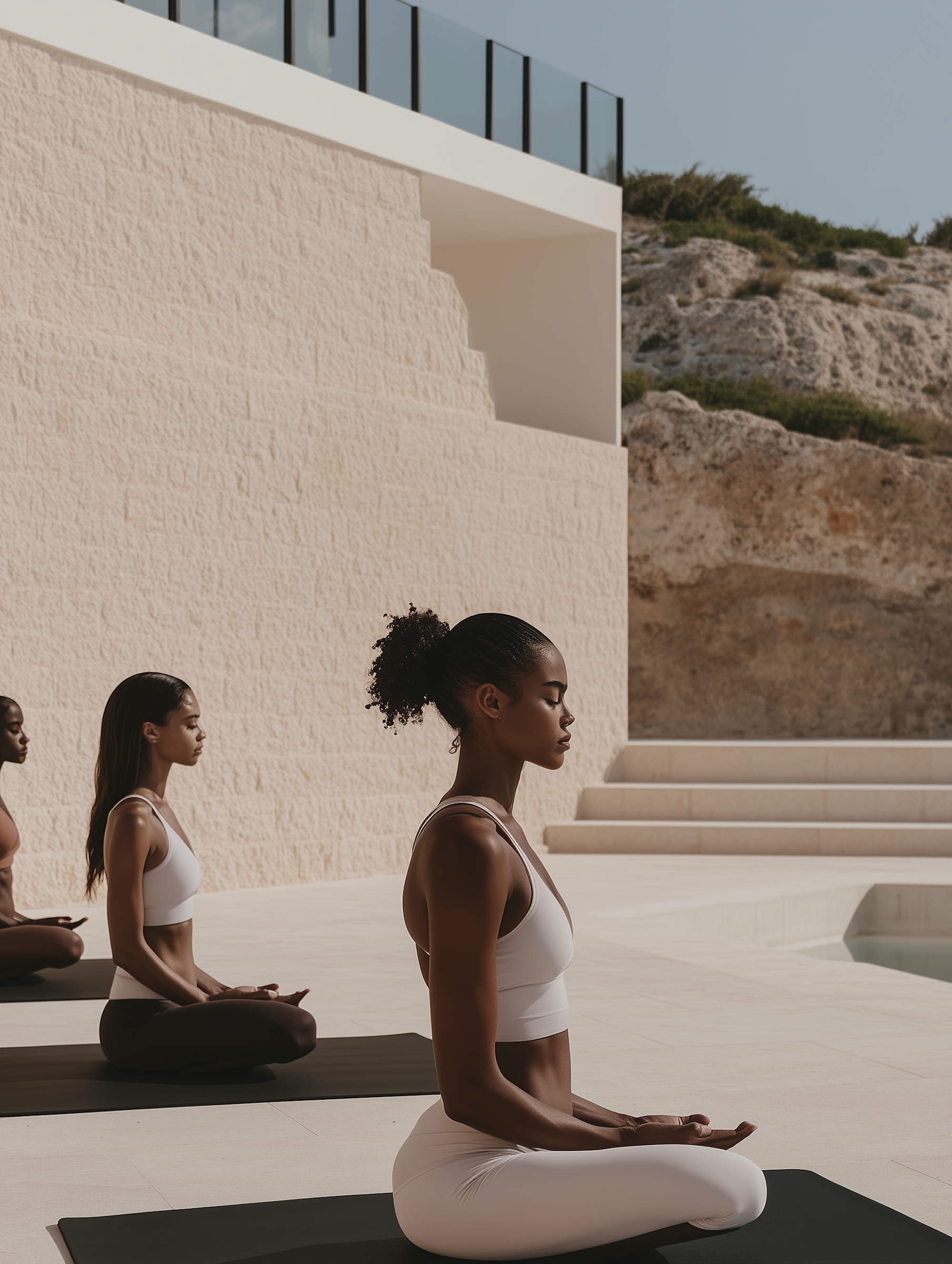
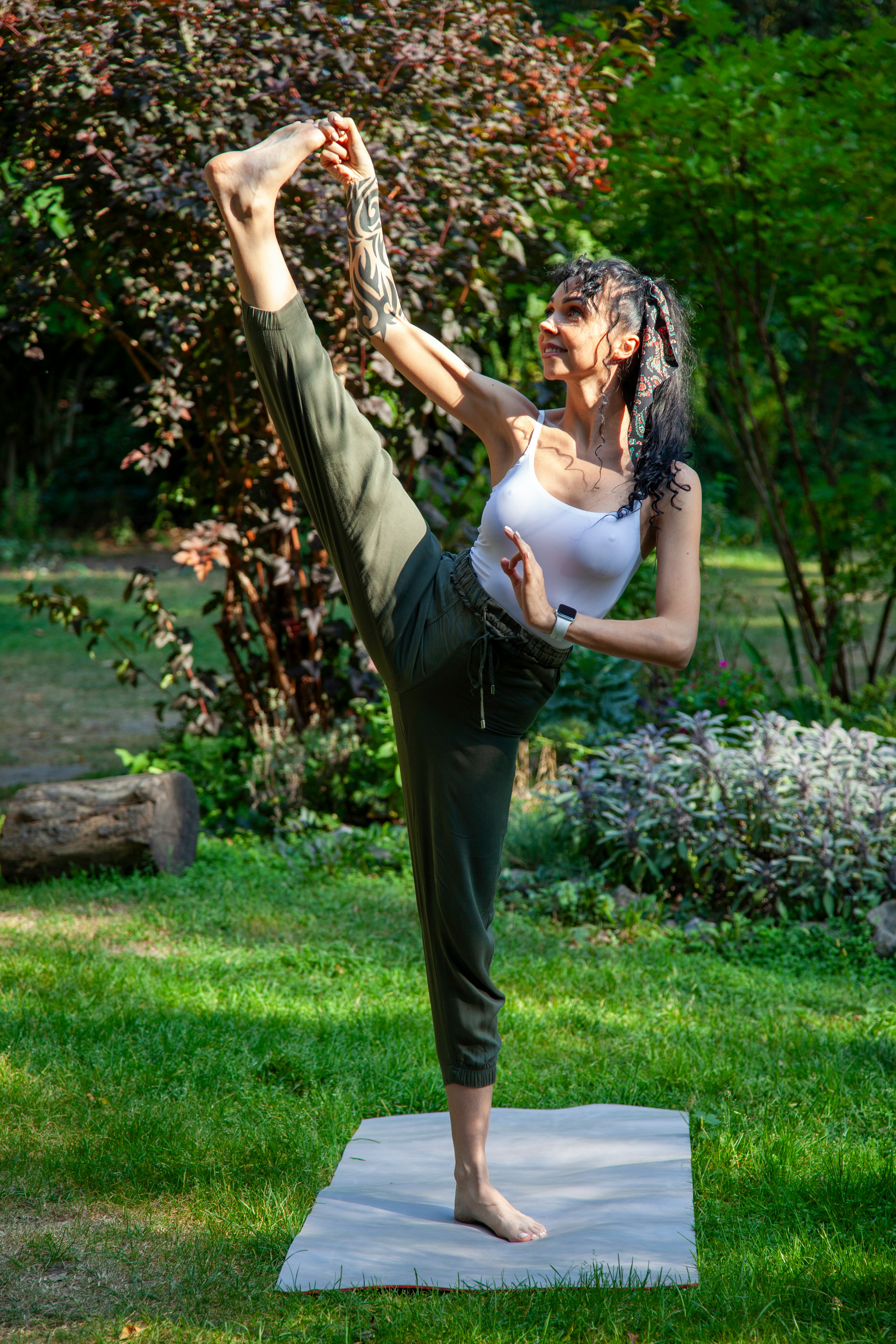
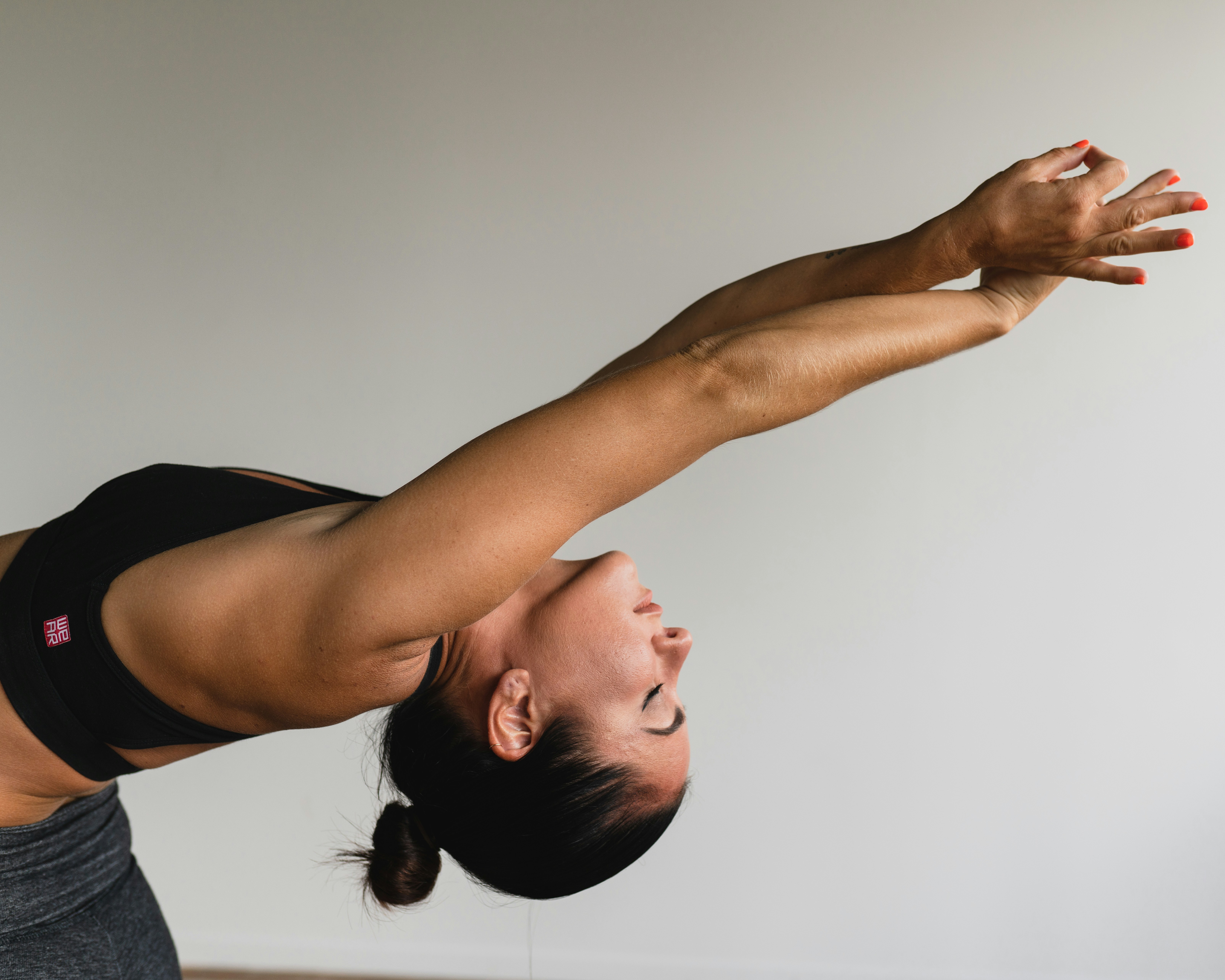
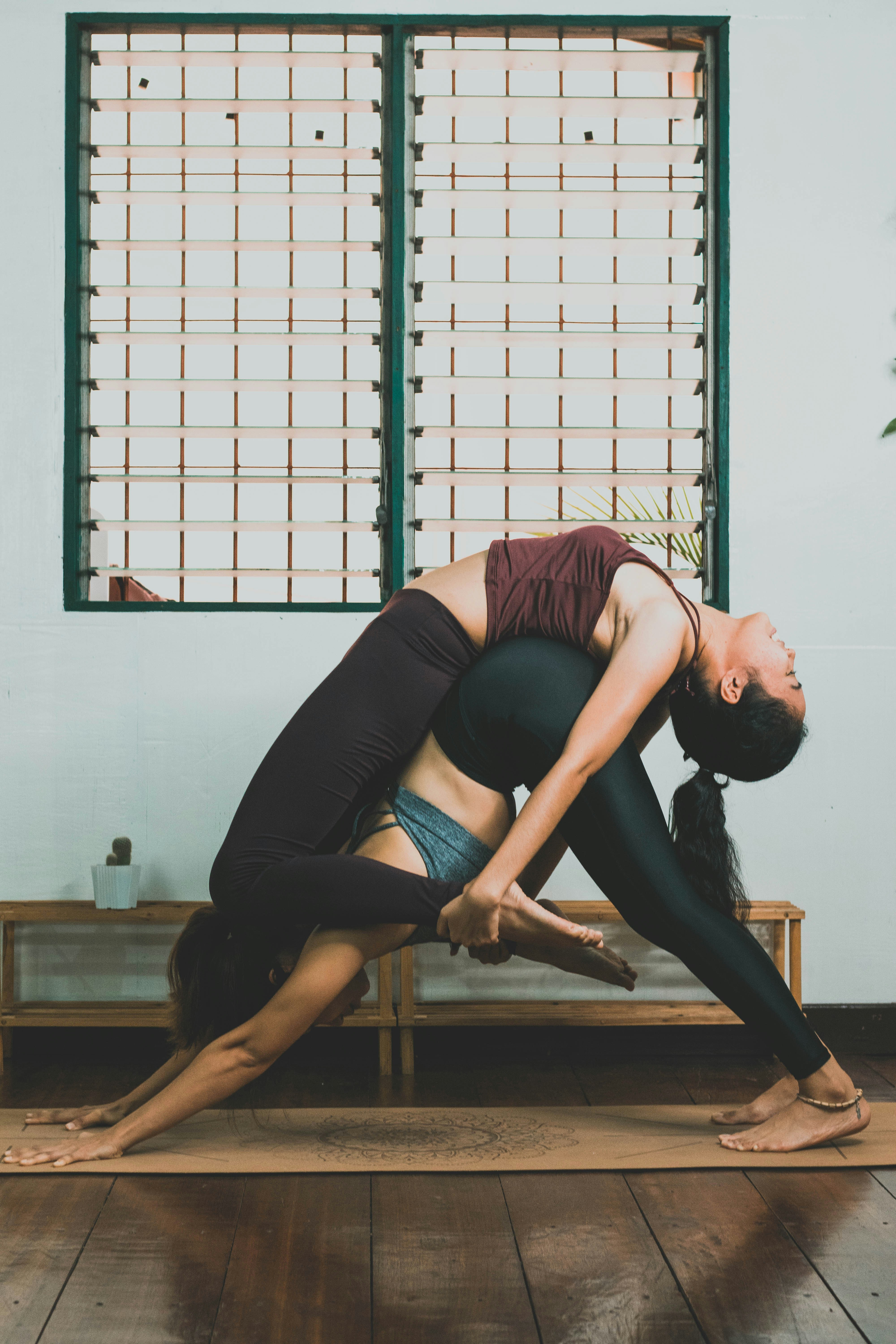
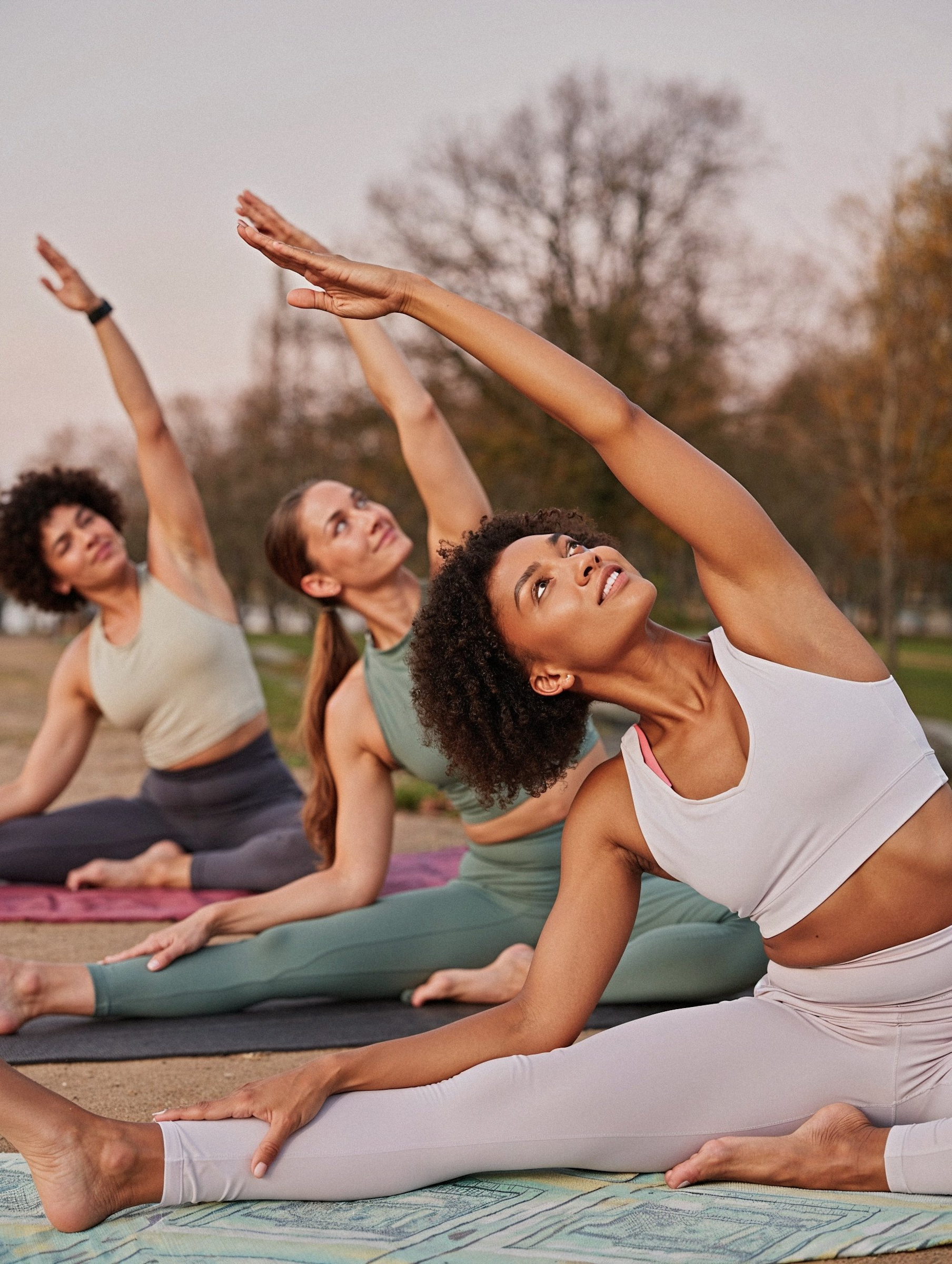
The physical practice of yoga encompasses diverse paths, each cultivating awareness through distinct cadences. Dynamic traditions like Ashtanga and Vinyasa link intentional breath with continuous movement, building heat, cardiovascular stamina, and focused presence. Classical Hatha and Iyengar emphasize alignment, functional anatomy, and steady holds, offering a clear foundation for understanding how the body organizes in space.
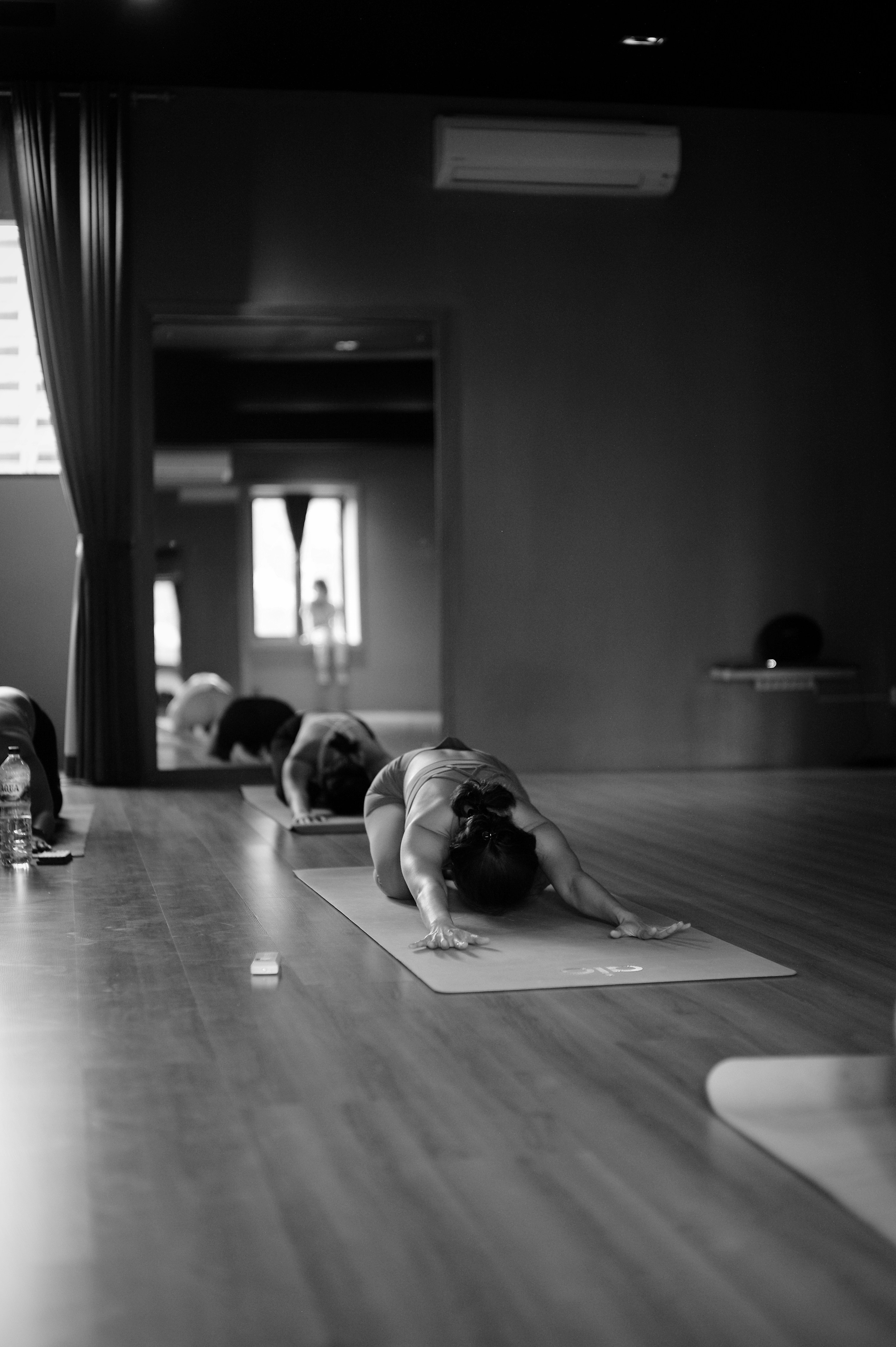
Slower modalities create space for deep release and nervous system recalibration. Yin yoga works into connective tissue and meridians through supported, long-held floor postures, while restorative sessions and Yoga Nidra guide awareness into profound relaxation. Aerial yoga introduces suspension hammocks to explore inversions and joint decompression, while therapeutic approaches adapt postures to support recovery, grief processing, and injury rehabilitation.
Retreats or teacher trainings
Deciding between a yoga retreat and an immersive teacher training comes down to your personal intention, available time, and desired pace of study. A retreat is an invitation to pause and replenish. Over several days, you can expect daily morning and evening practices balanced with spa treatments, cultural ceremonies, organic meals, and open hours to rest or explore surroundings.
Teacher trainings demand a higher degree of physical commitment and intellectual focus. Structured residential programmes, such as a 200-Hour foundational course or a 300-Hour advanced module, guide students through daily asana clinics, applied anatomy, subtle energetics, philosophy, and practical teaching methodology from the opening days. Shorter 50-Hour and 100-Hour courses allow certified instructors or dedicated students to specialize in areas like yin, aerial arts, sound healing, or sequencing.
The rhythm of an immersion
Residential yoga experiences create a distinct container where daily distractions fall away. Days typically open at dawn with pranayama, silent meditation, or chanting before transitioning into an invigorating morning asana session. Nourishing plant-based meals sustain your energy throughout the day, often prepared with locally sourced ingredients tailored to wholesome dietary needs.
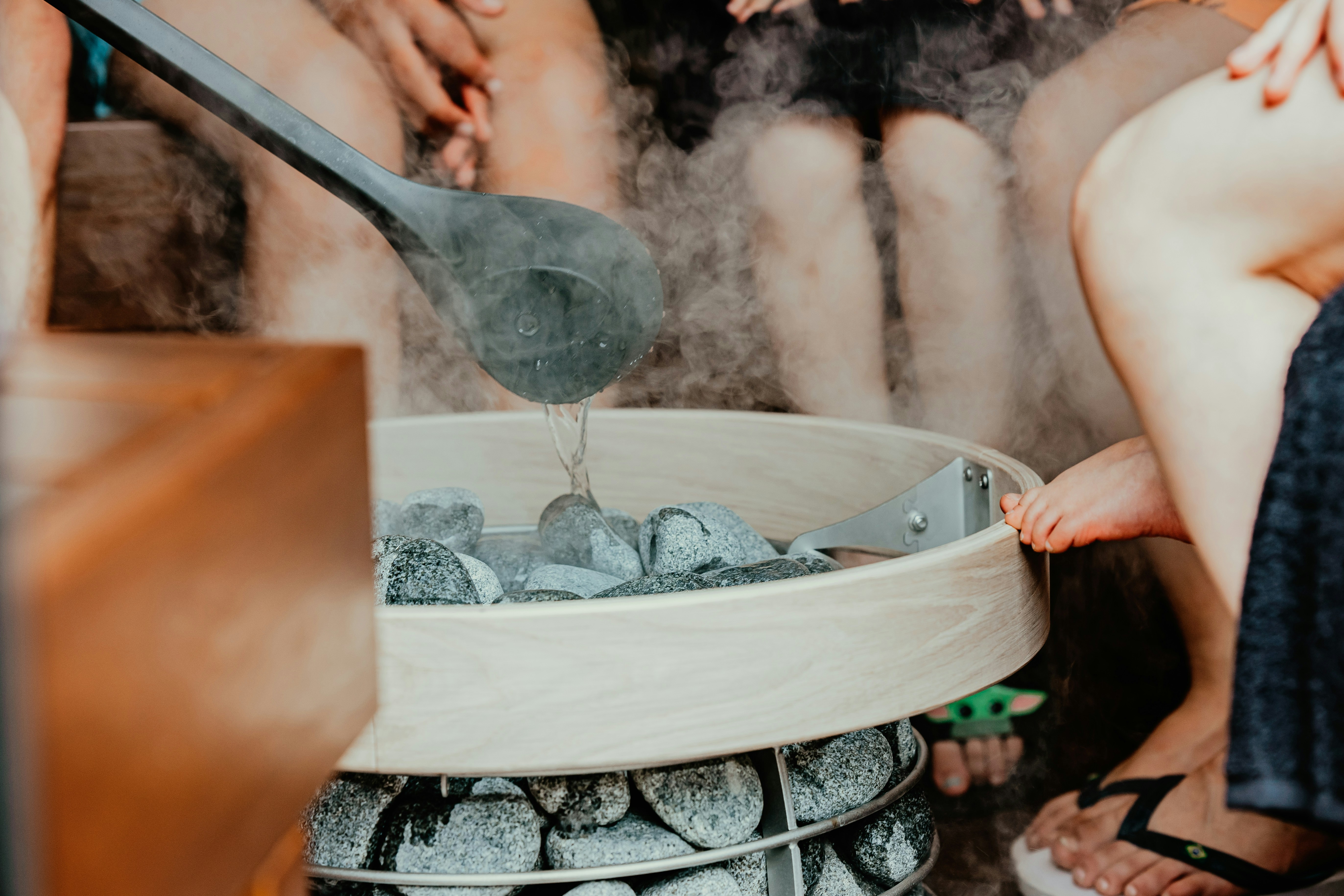
Afternoons balance lectures, alignment workshops, and restorative practices with restorative downtime in open-air shalas, gardens, or communal spaces. In cultural hubs, practices frequently weave together local rituals, temple purifications, and sound baths. Living alongside fellow seekers and dedicated facilitators fosters honest conversation, shared learning, and a supportive sense of community that extends well beyond the duration of your stay.
Choosing the right practice
Selecting the right offering begins with an honest assessment of your current energy and goals. If you are seeking recuperation from burnout or navigating life transitions, look for gentle retreats that combine restorative yoga with somatic therapy, meditation, and unstructured rest.
If you are ready to build physical strength or step into professional instruction, consider a multi-style teacher training that provides a solid grounding across hatha, vinyasa, and functional anatomy. Listings clearly outline prerequisite experience, daily schedules, accommodation details, and certifications. Take time to read through the course outlines and find an environment where you can practice with curiosity, safety, and ease.